

Loading...
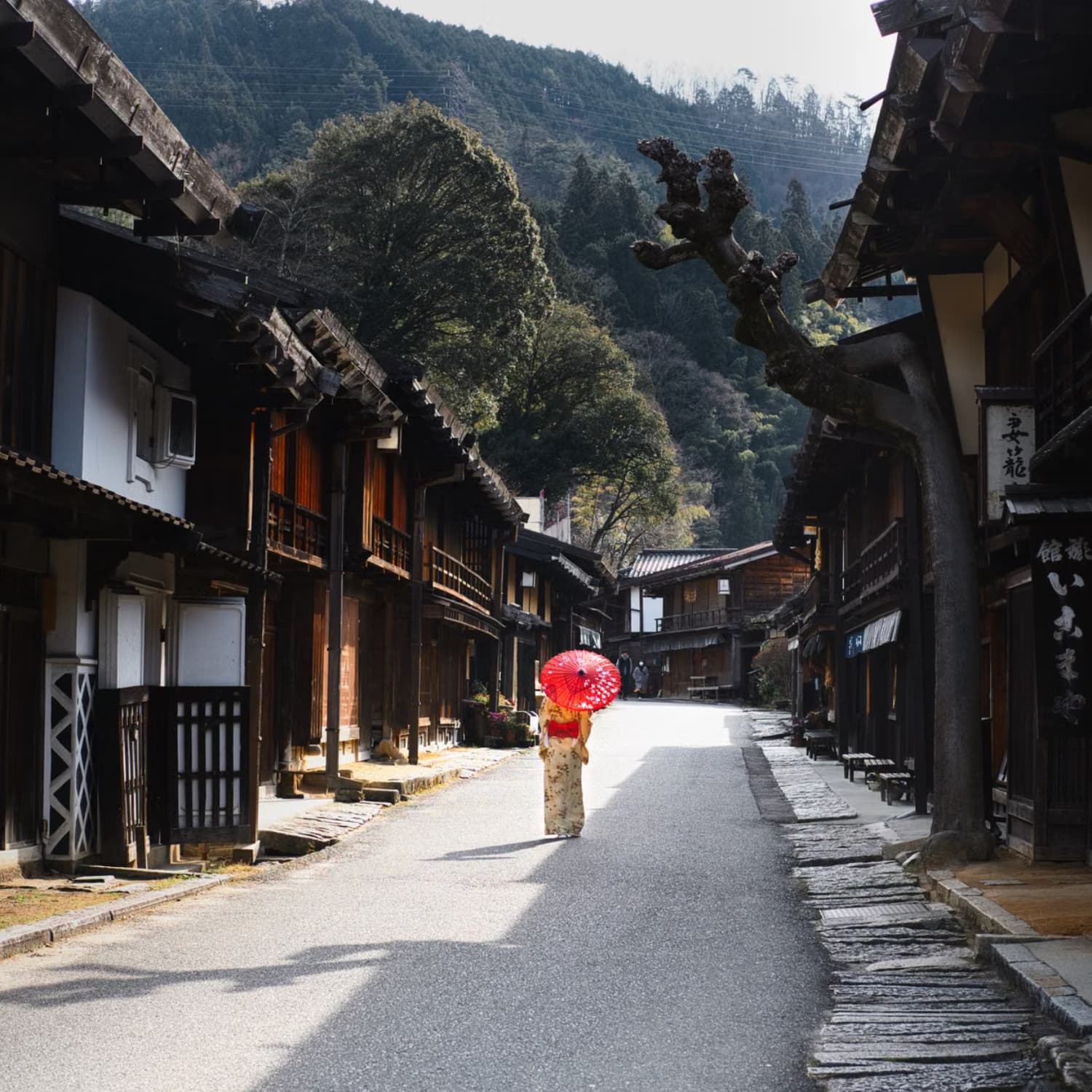
Japan feels unusually safe because violent crime is very rare, even in huge cities like Tokyo and Osaka. Solo travelers, including women, often feel comfortable using trains, walking at night, and asking for help when plans change.

Written by Kimara Greyling

Reviewed by Kimara Greyling

Updated August 27, 2026
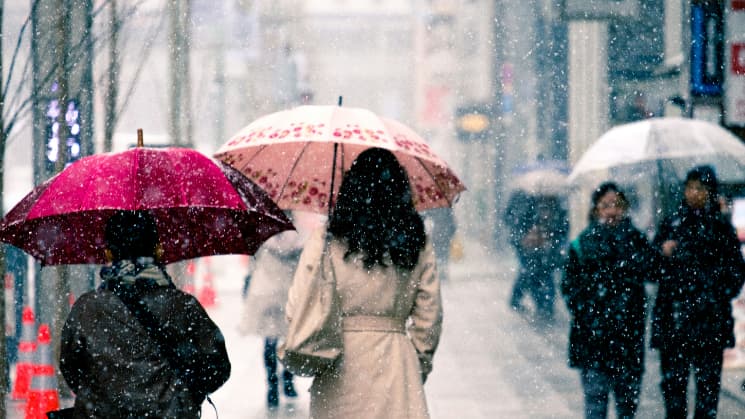
Japan is very safe for tourists, and most visits are trouble free. The latest Global Peace Index places Japan 17th worldwide, among the safer major destinations. The US State Department rates Japan Level 1, exercise normal precautions. The UK FCDO has no advice against travel, and Australia DFAT also rates it low risk. The main risks are not violent crime. They are earthquakes, typhoons, heat, petty theft in crowded places, nightlife overcharging, and traffic around stations or cycling areas. Check official alerts before and during travel, especially in typhoon season or after seismic activity.
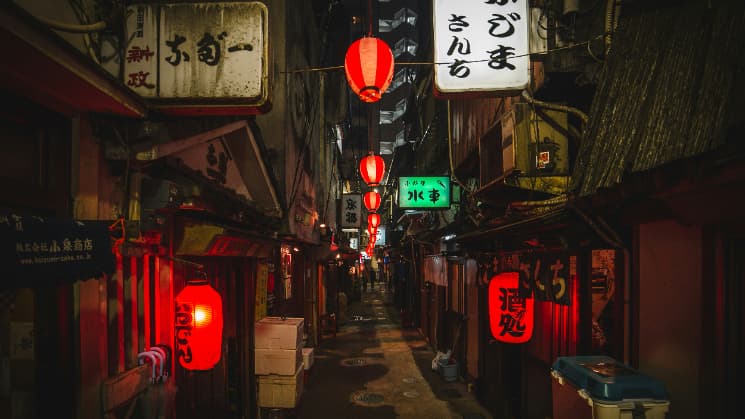
Japan has a low crime profile compared with many major tourist destinations, according to global safety indexes and national crime data. That does not mean risk is zero. For visitors, problems usually fall into two groups. Something may be taken in a crowded place, or someone may talk you into paying far more than expected.
| Safety profile | Main risks | Practical tip | |
|---|---|---|---|
| Tokyo | Very safe overall, with most tourist issues linked to crowds and nightlife. | Roppongi nightlife, packed trains, and earthquake exposure. | Avoid touts and know your nearest station exit. |
| Osaka | Osaka is relaxed and safe, but nightlife areas need more attention. | Namba nightlife, host bar overcharging, and dense crowds. | Skip street touts and check prices before entering bars. |
| Kyoto | Kyoto is safe, but peak season crowds can be intense. | Heavy crowds in peak seasons, cycling incidents, and summer heat. | Visit popular temples early and ride carefully. |
| Hokkaido | Hokkaido is safe, but distances and winter conditions raise the risk. | Winter driving, rural bears, and earthquake or tsunami exposure. | Check road closures and weather before driving. |
| Okinawa | Okinawa is safe, with weather and sea conditions the main concerns. | Typhoons, habu jellyfish, strong currents, and intense UV. | Check marine warnings before swimming or boating. |
| Mount Fuji and Japanese Alps | Mountain areas are safe when planned properly, but conditions change fast. | Altitude, poor preparation, sudden weather, and Fuji trail crowding. | Carry layers, water, and route details offline. |
Travel insurance is strongly recommended for Japan, because medical care can be costly without cover and typhoons or earthquakes can disrupt plans. Your policy should include:
Japan has strict drug laws. Even small amounts of cannabis can mean prison or deportation, and some cold or ADHD medicines are controlled.
Follow shrine and temple photo rules. Avoid photographing people without consent, and respect bans near sacred, private, military, or government sites.
Eating or drinking while walking can be seen as rude, with some Kyoto restrictions. Drunkenness may be tolerated, but disruption is not.
Many onsens still ban visible tattoos, though some tourist friendly places are easing rules. Check ahead or book kashikiri-buro.
Drones need registration and permits for most city flights, near airports, and over crowds. Check Civil Aviation Bureau rules before flying.
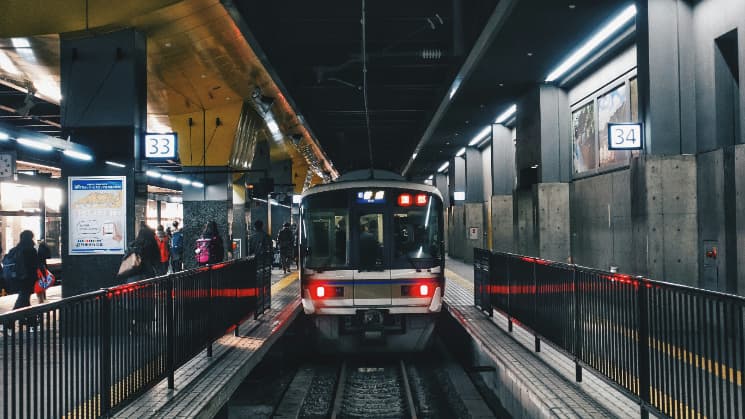
Japan is widely considered one of the safest countries for solo travel, including for women. Still, there are specific concerns. Chikan, or groping, on crowded trains is a documented and recognised problem. It is most common on packed commuter trains in Tokyo and Osaka during rush hours. Many urban lines have women only carriages, usually in the morning peak. They are clearly marked on platforms and trains. Use them if you prefer. If something happens, report it to station staff or press the train emergency button.
Japan is not in an active armed conflict. It sits near regional tensions, including North Korean missile tests, the Taiwan Strait, and the South China Sea. For tourists, this means staying aware of official alerts, not expecting daily disruption. Domestic politics are stable and democratic. Protest activity is low compared with many democracies. Political violence is extremely rare.
About the author
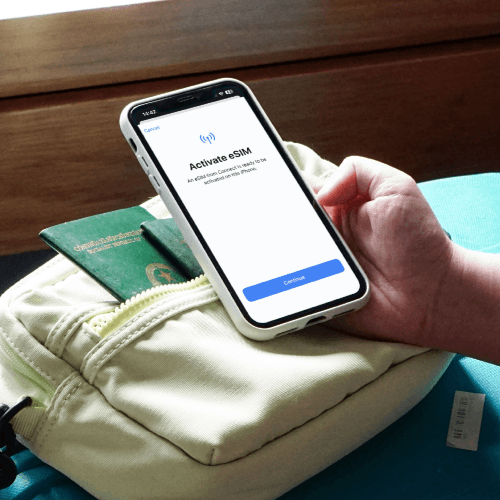
In this article, we break down the real eSIM pros and cons so you can decide if it is the right fit for your next adventure, being honest about when an eSIM makes travel simpler and when sticking with a physical SIM might be better. No hype, just what you actually need to know.

Wondering which phones support eSIM? Compatibility varies by device model, region, carrier restrictions, and software version. This guide covers major eSIM-compatible brands, explains how to check compatibility, and highlights key regional limitations.
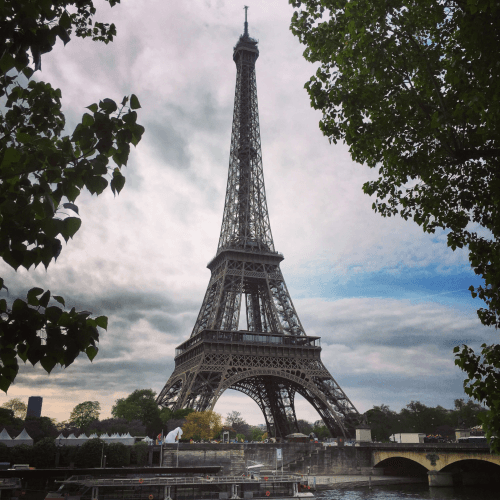
France can look like wine, Eiffel Tower photos and long cafe afternoons, but the real trip has more surprises. One day you are racing through Paris metro tunnels, the next you are slowing down at a village market or chatting about cheese with someone on a train. These tips will help you fit in, eat well, avoid common tourist mistakes and make every day feel like a small adventure.
