

Loading...
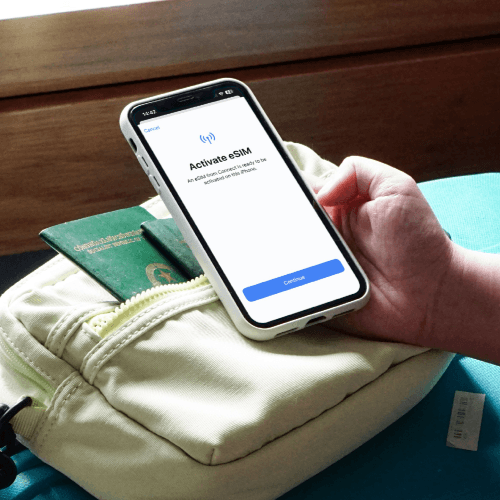
In this article, we break down the real eSIM pros and cons so you can decide if it is the right fit for your next adventure, being honest about when an eSIM makes travel simpler and when sticking with a physical SIM might be better. No hype, just what you actually need to know.

Written by Hannah Govender

Reviewed by Hannah Govender

Updated August 5, 2026
An eSIM, or embedded SIM, is a digital version of the traditional SIM card found in your phone. Rather than inserting a plastic card to connect to a mobile network, the eSIM is built into your device and can be activated with a mobile plan online. This allows you to add or switch plans without handling a physical card.
It is a bit like the difference between watching a film on a DVD and streaming it online. With a DVD, you need the disc to play the film, while streaming sends it straight to your device. The old SIM card is the disc, and the eSIM is the digital version you can set up without anything physical.

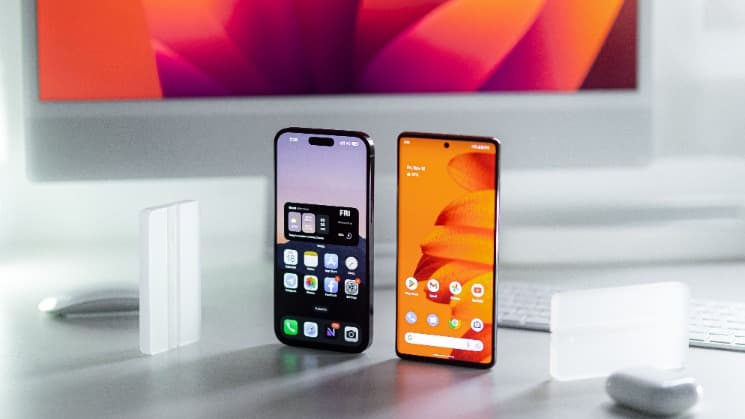
Most recent iPhones and many newer Android phones support eSIM, but not all devices do. To check, you will need to look for something called an EID in your phone's settings. This small detail determines whether you can use an eSIM or should stick with a physical SIM card. Always check before buying a plan, especially for family or friends.

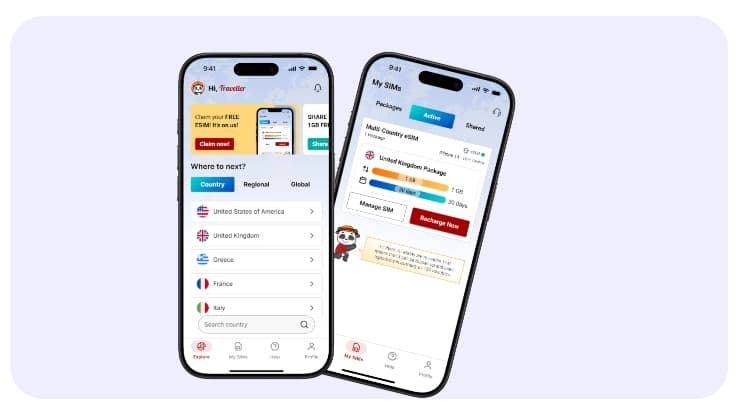
BeachSIM provides eSIM coverage for your chosen destination, with clear pricing and a range of plans. You can check that your planned trip is covered, see which networks are available, and review the data allowance and validity period for each plan. All details about activation, hotspot support and whether calls or SMS are included are set out on the product page. Customer support is available if you need help. Take a look at the plans for your next destination here: Explore
ABOUT THE AUTHOR


Denmark may be compact, but planning one trip around its best experiences takes some thought. This guide brings together Copenhagen, royal castles, Viking history, coastal escapes and memorable places to visit across the country, with ideas for culture, food, nature and easy day trips.

Greece makes solo travel feel simple because the ferries connect Athens, the Cyclades and Crete without needing a group plan. You can choose one island or keep moving, with clear routes, busy ports and plenty of independent travelers around.

Istanbul, Cappadocia, and Turkey's Aegean and Mediterranean coasts attract millions of visitors each year with reliable tourist infrastructure and a welcoming atmosphere. These popular destinations are far from the border regions flagged by travel advisories, making them generally safe to explore for most travelers.
