

Loading...
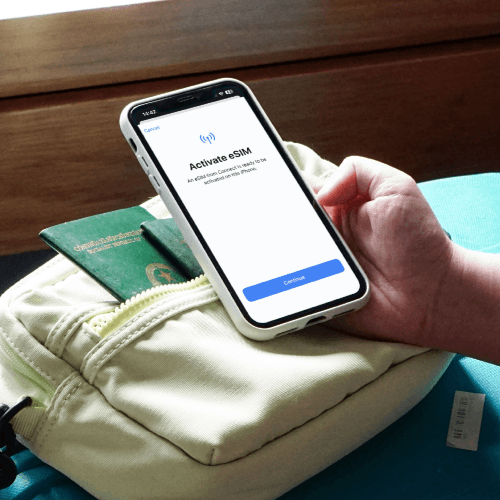
In this article, we break down the real eSIM pros and cons so you can decide if it is the right fit for your next adventure, being honest about when an eSIM makes travel simpler and when sticking with a physical SIM might be better. No hype, just what you actually need to know.

Written by Hannah Govender

Reviewed by Hannah Govender

Updated August 5, 2026
An eSIM, or embedded SIM, is a digital version of the traditional SIM card found in your phone. Rather than inserting a plastic card to connect to a mobile network, the eSIM is built into your device and can be activated with a mobile plan online. This allows you to add or switch plans without handling a physical card.
It is a bit like the difference between watching a film on a DVD and streaming it online. With a DVD, you need the disc to play the film, while streaming sends it straight to your device. The old SIM card is the disc, and the eSIM is the digital version you can set up without anything physical.

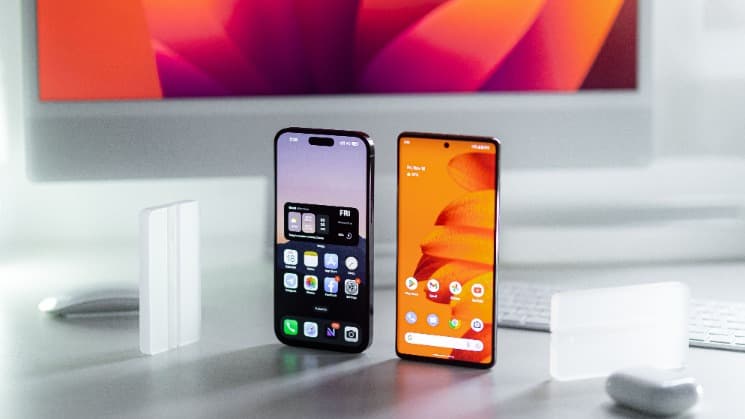
Most recent iPhones and many newer Android phones support eSIM, but not all devices do. To check, you will need to look for something called an EID in your phone's settings. This small detail determines whether you can use an eSIM or should stick with a physical SIM card. Always check before buying a plan, especially for family or friends.

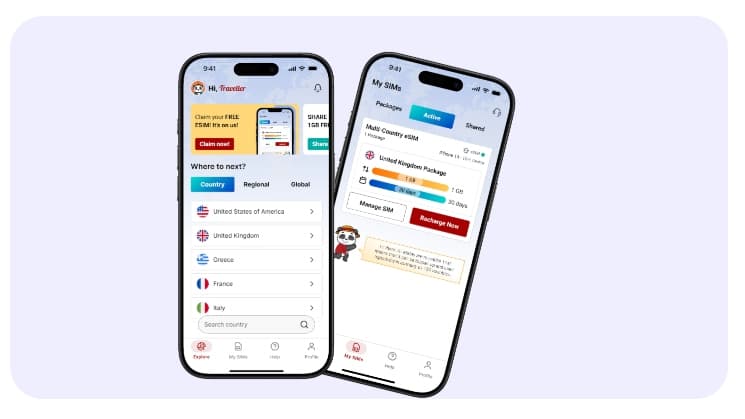
BeachSIM provides eSIM coverage for your chosen destination, with clear pricing and a range of plans. You can check that your planned trip is covered, see which networks are available, and review the data allowance and validity period for each plan. All details about activation, hotspot support and whether calls or SMS are included are set out on the product page. Customer support is available if you need help. Take a look at the plans for your next destination here: Explore
ABOUT THE AUTHOR


Thailand has the beaches, street food, islands and unforgettable adventures-but how do you experience it all without blowing your budget? Before you book your first flight, discover where to stay, what to eat, what to skip and how to make your money go further.

Few things are more frustrating than returning from holiday to a huge roaming bill. This guide breaks down what data roaming is and explores affordable alternatives for travellers.

Japan is famous for lost wallets finding their way back, and that says a lot about everyday safety there. Violent crime is extremely rare, public transport feels calm, and solo travellers, including women, often find Japan reassuringly easy to explore.
