

Loading...
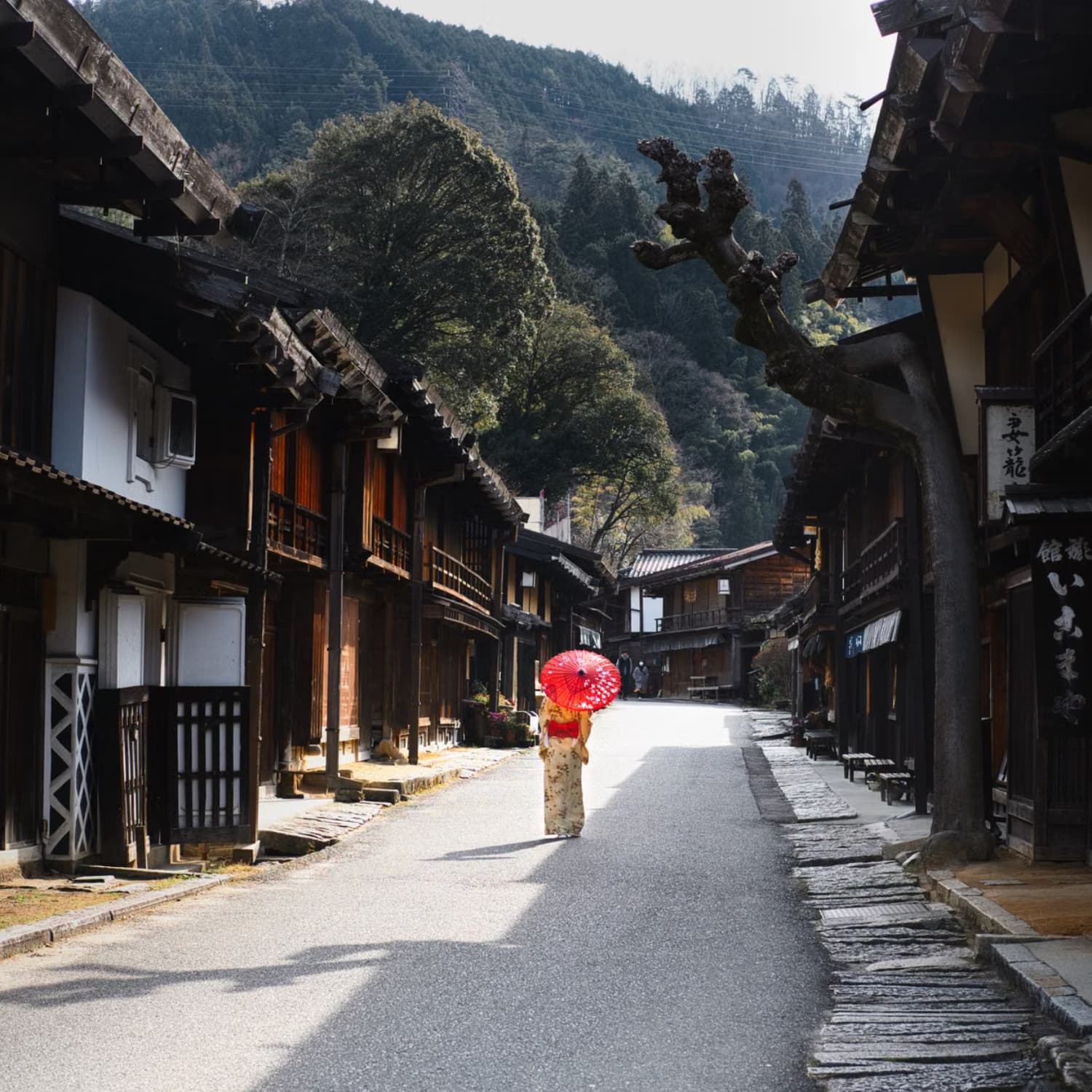
Japan's extremely low violent crime rates make it one of the easiest places to relax as a traveler. Solo visitors, including women, often feel comfortable using trains, walking city streets, and exploring neighborhoods, with the usual common sense precautions.

Written by Kimara Greyling

Reviewed by Kimara Greyling

Updated August 27, 2026
Japan is very safe for tourists. The 2025 Global Peace Index ranks Japan 12th of 163 countries, and major travel advisories remain calm. The US State Department lists Japan at Level 1, exercise normal precautions. Australia DFAT gives the same practical advice, and the UK FCDO does not advise against normal travel. The main risks are not violent crime. They are earthquakes, typhoons, summer heat, petty theft in very busy places, and traffic or cycling mistakes. Nightlife overcharging can happen in a few districts. Keep emergency numbers saved, follow local alerts, and use normal city judgment. For most visitors, Japan feels orderly, predictable, and safe.
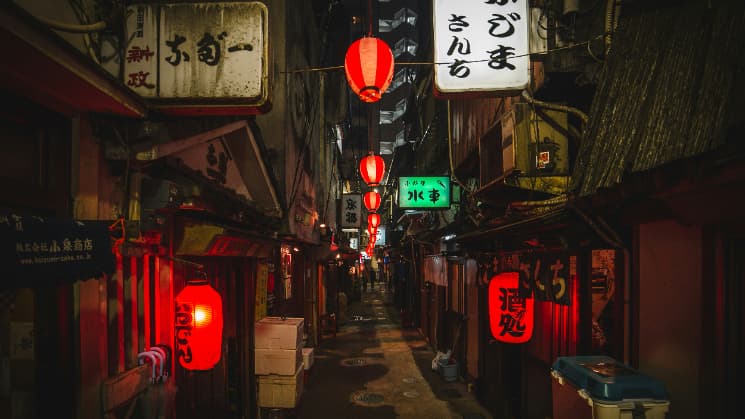
Japan has a low crime profile by international indexes and police statistics compared with many major tourist markets, but visitors still need normal street sense. The risk usually falls into two buckets. One is losing items in crowds or transit. The other is being talked into paying too much, especially at night.
| Safety profile | Main risks | Practical tip | |
|---|---|---|---|
| Tokyo | Very safe overall, with the main issues tied to crowds, nightlife, and natural hazards. | Roppongi nightlife, packed trains, and earthquake exposure are the main concerns. | Use marked exits and avoid following nightlife touts. |
| Osaka | Osaka is safe and easy for visitors, with livelier nightlife risks than most cities. | Namba nightlife, host club overcharging, and dense crowds are the main issues. | Check prices before ordering in Namba nightlife venues. |
| Kyoto | Kyoto is very safe, but peak season crowds can make movement stressful. | Heavy seasonal crowds, cycling mistakes, and summer heat are the main risks. | Start early and avoid the busiest temple approaches at midday. |
| Hokkaido | Hokkaido is safe, but weather and rural conditions need more planning. | Winter driving, rural bear encounters, earthquakes, and tsunami exposure are the main concerns. | Check road closures and weather before long rural drives. |
| Okinawa | Okinawa is relaxed and safe, but weather and ocean conditions matter. | Typhoons, habu jellyfish, strong currents, and intense UV are the main risks. | Check marine warnings before swimming or taking boats. |
| Mount Fuji and Japanese Alps | Mountain areas are safe when visitors respect season, altitude, and weather. | Altitude, poor preparation, sudden weather, and crowded Fuji trails are the main risks. | Carry layers, water, and a realistic turnaround time. |
Travel insurance is strongly recommended for Japan because medical costs can be significant without coverage, and typhoons or earthquakes can disrupt plans. Make sure your policy covers these basics:
Japan has strict drug laws. Even small amounts of cannabis can mean prison or deportation, and some cold remedies or ADHD medicines must be checked before travel.
Follow posted photo rules at shrines and temples. Avoid photographing people without consent, and do not shoot near sacred, private, military, or government sites.
Eating or drinking while walking can be seen as rude, with Kyoto restrictions in some areas. Drunkenness is tolerated more than disruption, and loud train calls are discouraged.
Many onsen still ban visible tattoos, though some tourist friendly places are loosening rules. Check ahead or book a private kashikiri-buro.
Most urban drone flights, flights near airports, and flights over crowds need registration and permits. Check the Civil Aviation Bureau rules before flying.
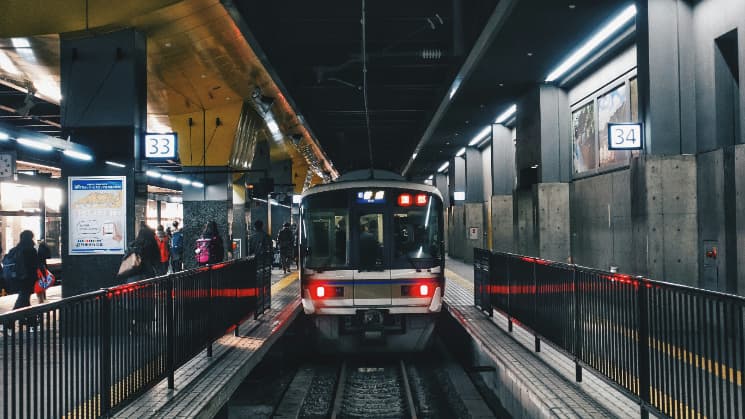
Japan is widely considered one of the safest countries for solo travel, including for women. The main concern to take seriously is chikan, or groping, on crowded trains. It is a documented issue in Japan, most often on packed commuter trains in Tokyo and Osaka at rush hour. Many urban lines offer women only cars, usually in the morning peak, marked by platform signs and train stickers. They are practical and socially accepted. Report incidents to station staff or press the train emergency button.
Japan is not in an active armed conflict. Regional tensions, including North Korea missile tests, the Taiwan Strait, and the South China Sea, can affect news and government alerts, but they rarely change day to day travel for visitors. Domestic politics are stable under democratic institutions. Protest activity is low compared with many democracies. Political violence is extremely rare, though not impossible.
About the author
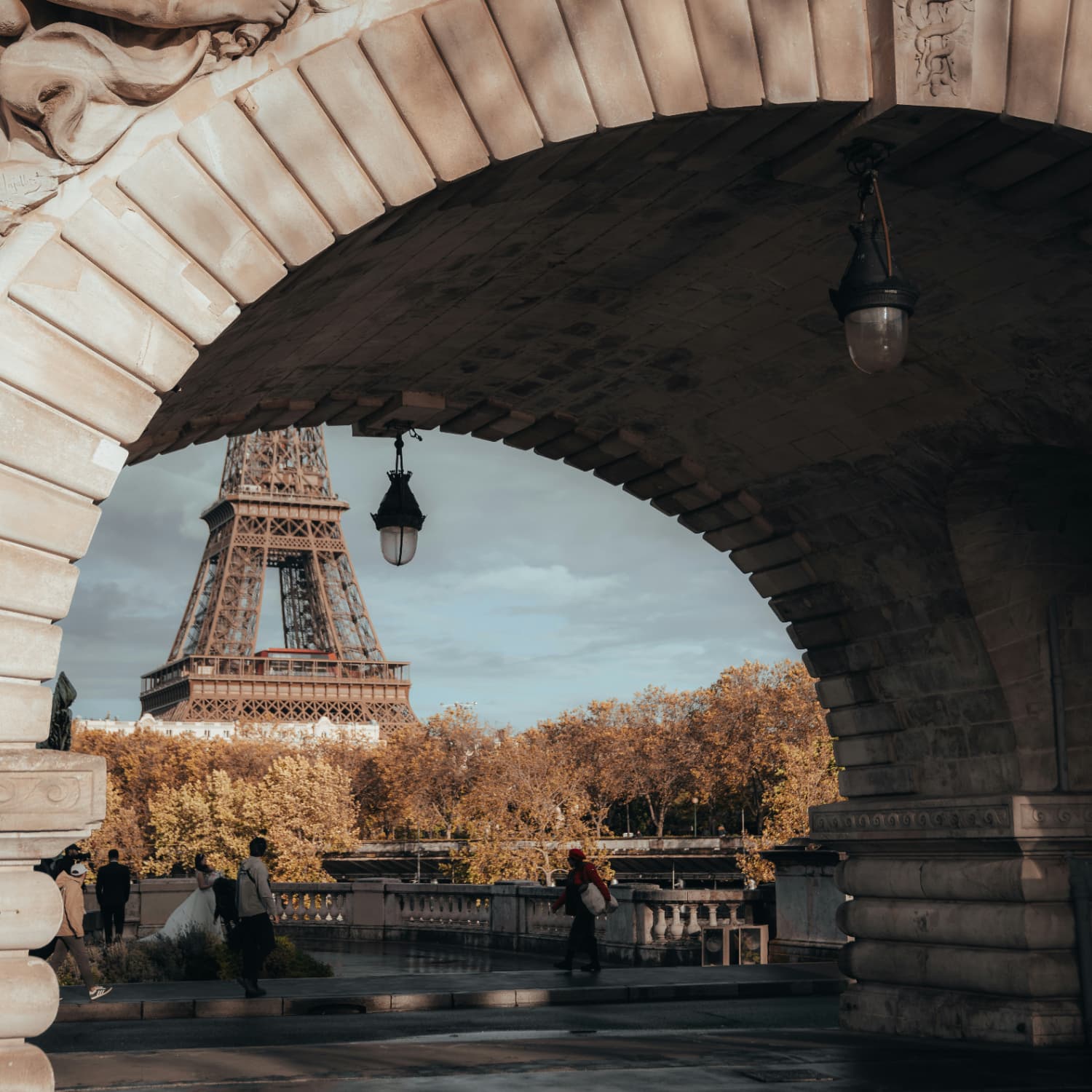
France works best alone when you follow the TGV and regional trains, not a checklist. Build your days around market mornings, museum hours, café terraces, and late bakery runs, and crossing the country starts to feel manageable.
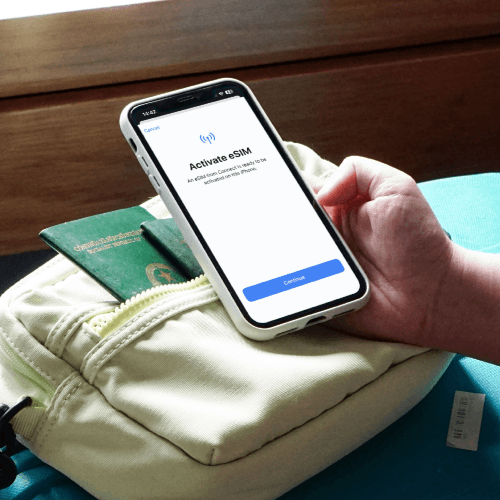
In this article, we break down the real eSIM pros and cons so you can decide if it is the right fit for your next adventure, being honest about when an eSIM makes travel simpler and when sticking with a physical SIM might be better. No hype, just what you actually need to know.
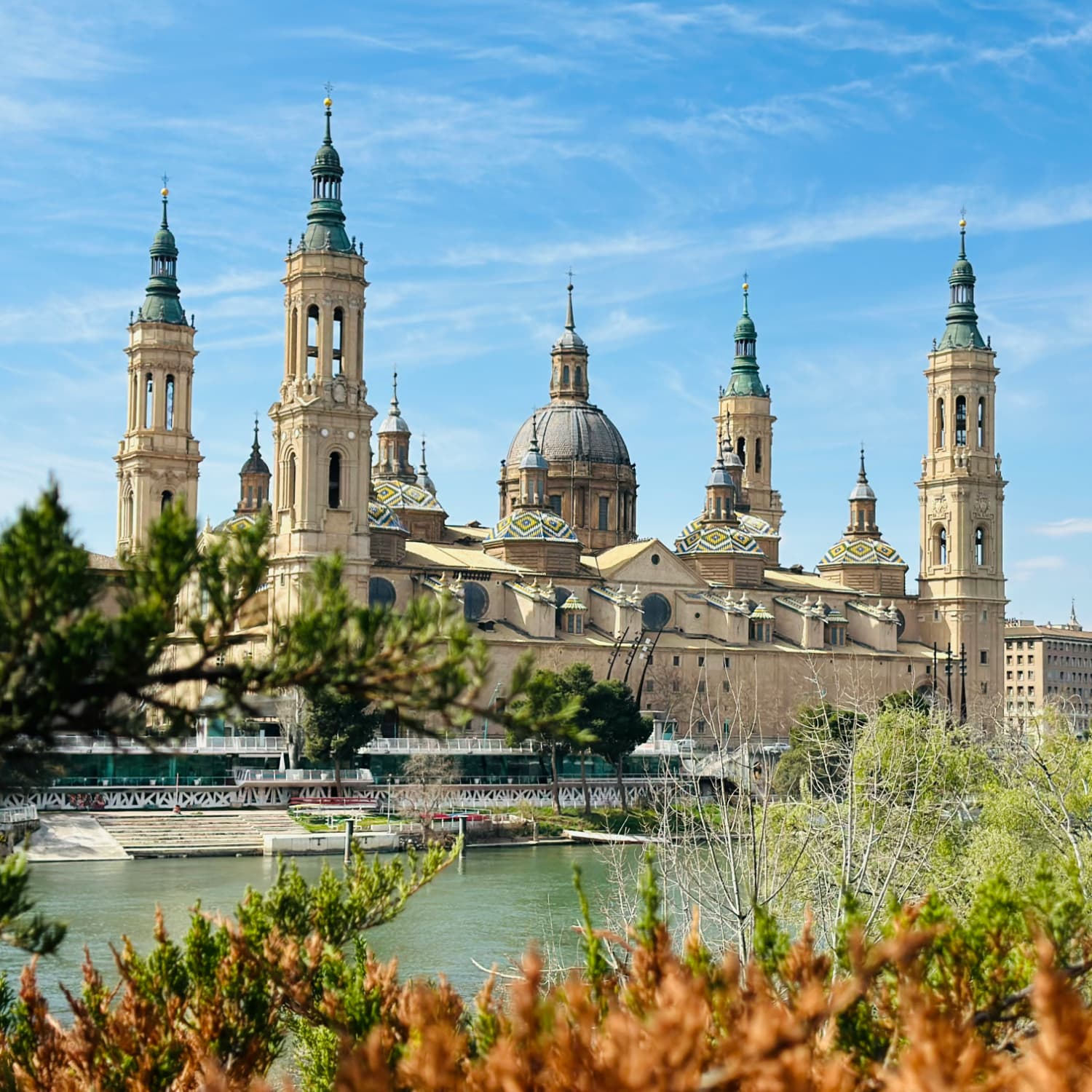
Spain can look like flamenco, fiestas and endless sunshine at first glance, but look a little closer and it keeps surprising you. Think medieval towns, lively plazas that wake up late, mountain trails bright with wildflowers and quiet surf beaches tucked along the coast. This guide brings together the Spain travel tips you need before you go, from timing and costs to everyday habits that make the trip feel smoother.
