

Loading...


Loading...
Loading...
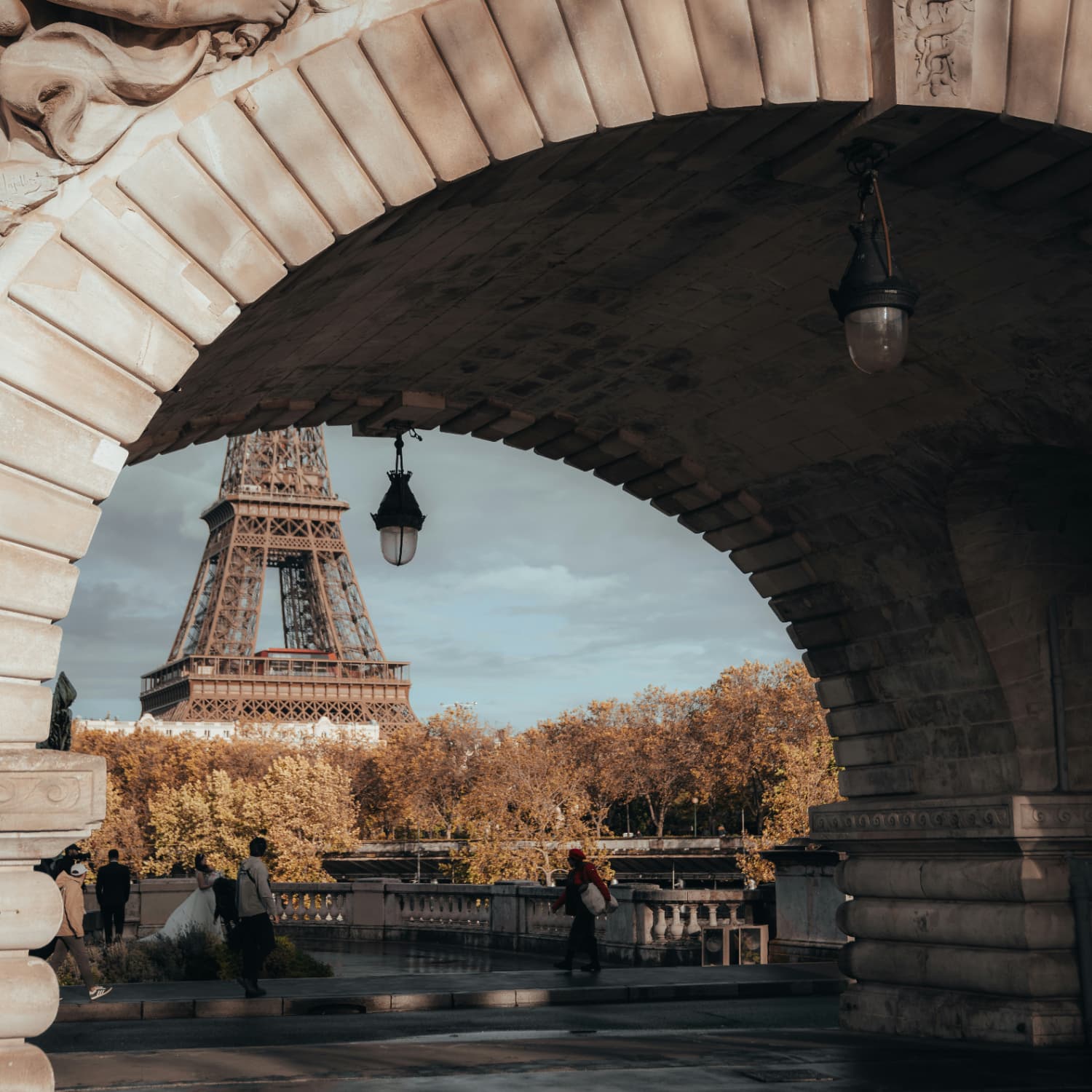
France works best alone when you follow the TGV and regional trains, not a checklist. Build your days around market mornings, museum hours, café terraces, and late bakery runs, and crossing the country starts to feel manageable.

Written by Kimara Greyling

Reviewed by Kimara Greyling

Published September 7, 2026
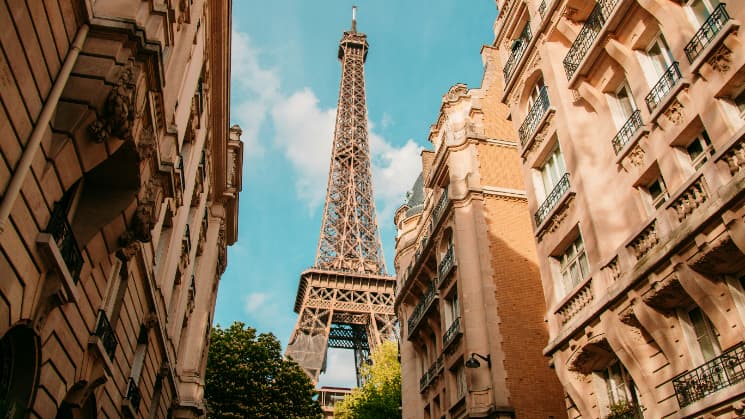
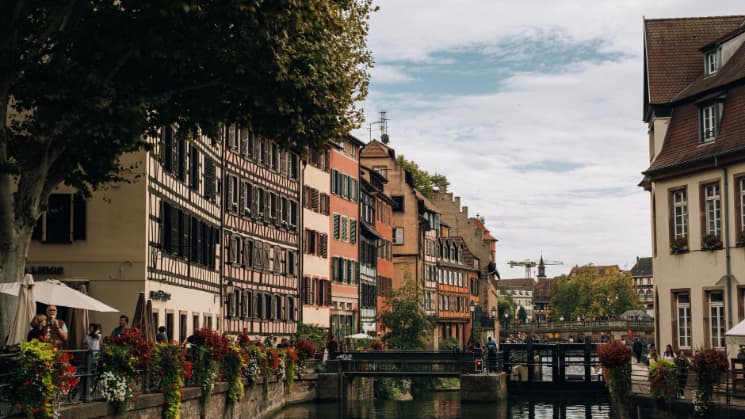
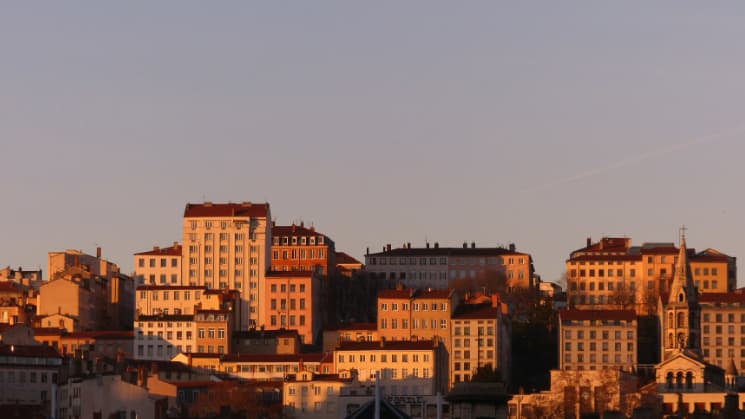
| Morning | Afternoon/Evening | Solo Tip | |
|---|---|---|---|
| Day 1: Paris | Start at Sainte Chapelle when it opens, then walk across Île de la Cité toward Notre Dame and the Seine quays. | Spend the late afternoon in the Louvre if you booked ahead, then cross to the Tuileries for sunset. | Major museums often require timed entry, so book before you go. Keep your bag in front on the Metro near busy museum stops. |
| Day 2: Paris | Explore Montmartre before the crowds, starting near Abbesses and walking up to Sacré Coeur. | Head to Canal Saint Martin for coffee, small shops, and an easy solo dinner nearby. | In cafés, sit down first if you want table service. Standing at the counter is faster and often cheaper. |
| Day 3: Versailles | Take the RER C to Versailles Château Rive Gauche and go straight to the Palace entrance with a timed ticket. | Walk the gardens and the Trianon estate after the main rooms, then return to Paris before the commuter rush. | Bring water and comfortable shoes. The estate is much larger than it looks on a map. |
| Days 4 and 5: Lyon | Take the TGV from Paris to Lyon and split your mornings between Vieux Lyon, the traboules, and the climb to Fourvière. | Use the afternoons for the Presqu île, the riverbanks, and a short trip to Pérouges if you want a quieter medieval village nearby. | At bouchons, reserve ahead and expect hearty set menus. Lunch can feel less awkward alone than a packed evening service. |
| Day 6: Annecy | Take an early train to Annecy and walk through the old town before the canal bridges get crowded. | Loop part of the lake on foot or by bike, then take a simple lakeside meal before returning to Lyon. | Check the last train back before you relax by the lake. Evening connections can be limited compared with daytime options. |
| Day 7: Lyon | Spend the morning at Les Halles de Lyon Paul Bocuse for coffee, pastries, and food gifts before departure. | If your flight or train is later, walk Parc de la Tête d Or or take the Rhône Express toward Lyon Saint Exupéry. | Leave extra time for station changes. Lyon Part Dieu is busy and easier when you are not rushing with luggage. |
| FAQs | |
|---|---|
| Is France safe to travel alone? | Most solo travelers do fine in France, but petty theft is the thing to watch. Pickpockets work busy areas like the Paris Metro, RER stations, Montmartre, the Eiffel Tower area, and major train stations in cities like Marseille and Nice. Public transport is generally reliable, but late night station areas need more caution. |
| How much does a solo trip to France cost? | A budget solo traveler can manage around $80 to $130 per day with hostels, bakeries, supermarkets, and advance train fares. A mid range trip is more like $180 to $300 per day. The biggest cost drivers are accommodation in Paris, TGV tickets bought late, museum bookings, and restaurant meals. |
| Is France good for women traveling alone? | France is a solid choice for women traveling alone, especially in Paris, Lyon, Bordeaux, Strasbourg, and the Riviera towns with good transport links. Street harassment can happen, mostly in big city nightlife areas or around some stations. Use well reviewed rideshares or licensed taxis late and keep bags zipped on the RER. |
| Where are the best places for solo travel in France? | Paris is the easiest first stop because museums, cafés, and transport all work well alone. Lyon is great for food and walkable neighborhoods, while Strasbourg and Annecy feel calmer and less overwhelming. For slower days, try Pérouges, Dijon, or the Loire Valley towns. |
| Do you need to speak French to travel alone in France? | You can get by with English in Paris, major museums, hotels, and big train stations. Outside the main tourist areas, a few French basics make everything smoother, especially in small restaurants, pharmacies, and rural stations. Learn greetings, ordering phrases, and how to ask for help with a ticket. |
| Should you tip in France? | Service is included in restaurant prices, so tipping is not required the way it is in the United States. Rounding up or leaving a few euros is appreciated for good service, especially at cafés or casual restaurants. For a fuller practical rundown, see the France Travel Tips article. |
About the author
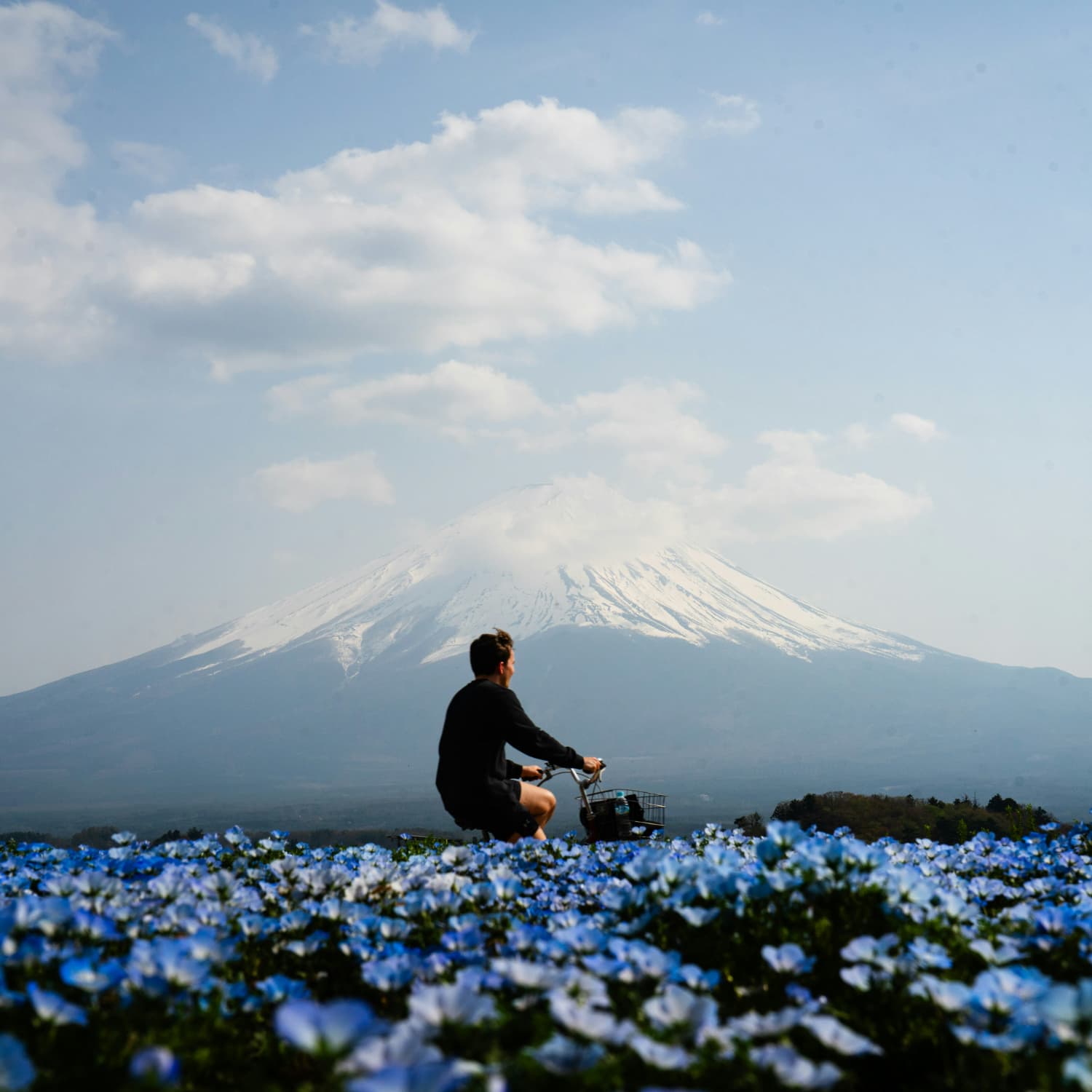
Japan makes solo travel practical before it feels brave. Trains run where you need them, capsule hotels welcome one person, and a quiet ramen counter can make your first night alone feel normal.
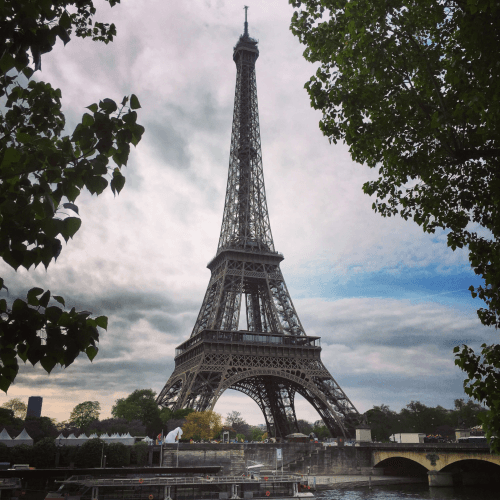
France is easy to dream about, but even better when you know how daily life works. One morning you may be finding your way through the Paris Metro, and by afternoon you could be lingering at a village market or choosing pastries like a local.
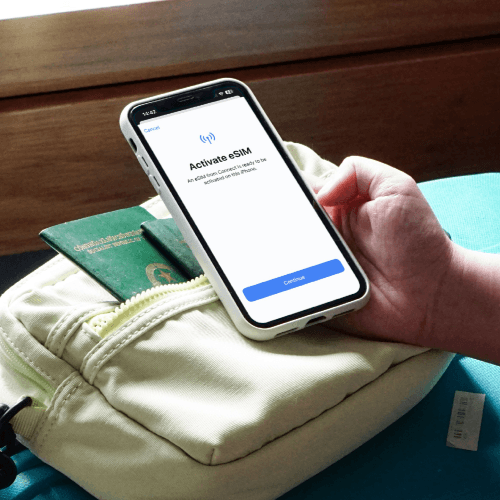
In this article, we break down the real eSIM pros and cons so you can decide if it is the right fit for your next adventure, being honest about when an eSIM makes travel simpler and when sticking with a physical SIM might be better. No hype, just what you actually need to know.