

Loading...
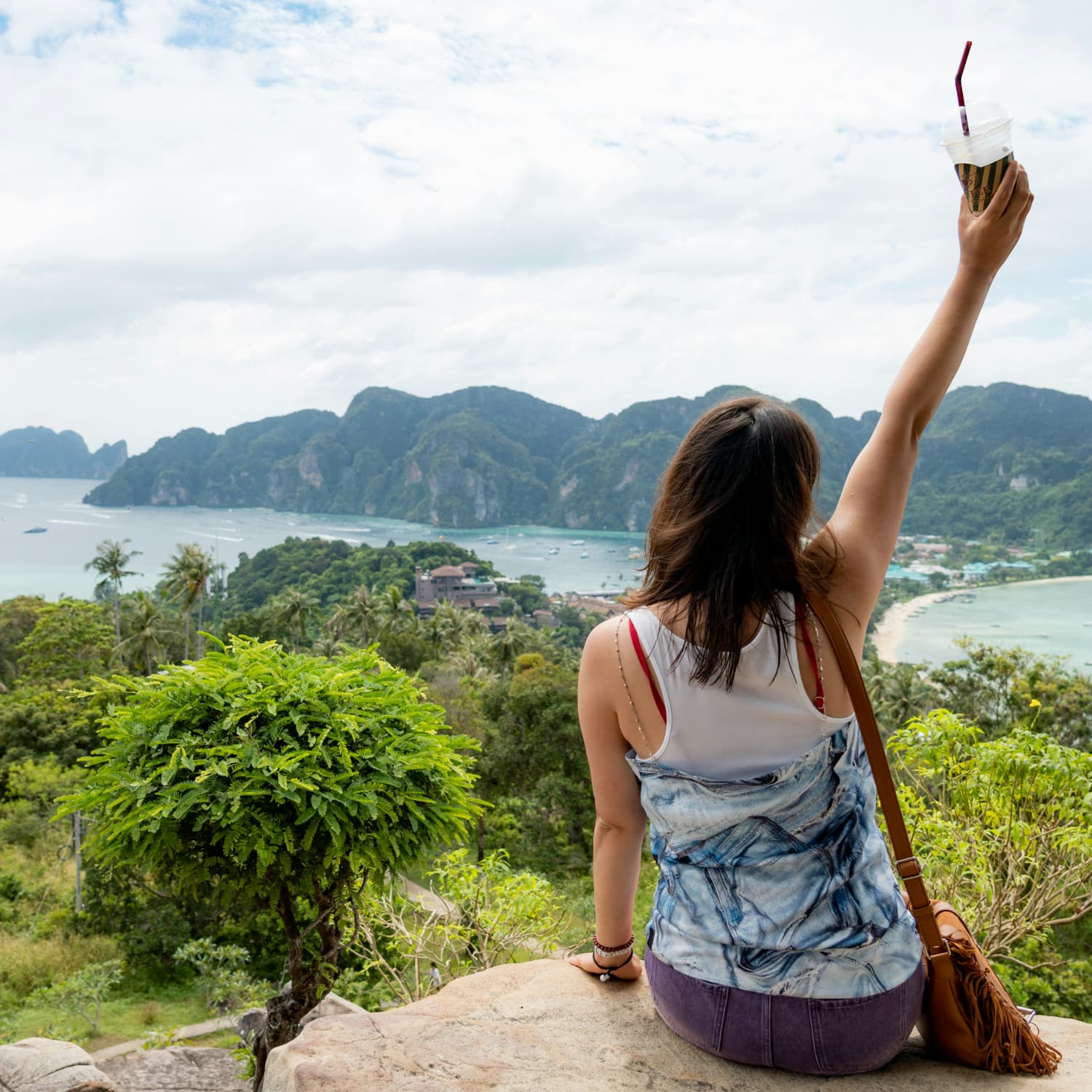
Solo travel is far less isolating for women than it once felt: active travel communities for women, safety apps, location sharing, and smarter planning help you stay alert while still enjoying the freedom of going your own way.

Written by Kimara Greyling

Reviewed by Kimara Greyling

Updated September 1, 2026
Solo Traveler reports that women make up 71% of solo travelers, so the question is not whether women should travel alone. It is how you measure and reduce risk. For any solo female traveler, useful travel safety tips for women start with data, not fear. UNODC figures and tourism police reports show that risk is real, uneven, and shaped by where and how you move.
Context changes the risk profile. If you are traveling solo as a woman for the first time, a compact city with clear transit after dinner is different from arriving at midnight in peak festival season. Solo travel safety depends on timing, experience, and fallback options. The real dangers of solo female travel often grow when those factors stack.

Scams follow patterns you can learn. Women traveling alone may be targeted because scammers assume they are unfamiliar with local norms or less likely to challenge pressure in public.
Common patterns include the taxi meter is broken, an unofficial airport transfer desk placed near the real one, and the claim that a friend has a better, cheaper hotel. Tuk tuk and similar drivers may also insist on stopping at a shop first. These scams are widely documented in tourist transport hubs and busy arrival areas. Step away and use an official desk or app.
Use ATMs attached to banks rather than freestanding machines on the street. Cover the PIN pad with your hand. Check whether the card slot feels loose or has an added insert. Use a separate travel card with a low daily limit when possible. Avoid using a debit card linked to your main account for routine withdrawals.
A common pattern starts with someone who becomes close very quickly. It may be a local contact or another traveler. Trust builds over a short time, then money is requested or you are led to a bar, shop, or family business where pressure or overcharging begins. This is not about judging people. It is about recognising a known pattern.
Fake accommodation listings can appear on legitimate platforms. Look for very few reviews, new profiles, and prices far below the market. Be cautious with emails that imitate Booking.com or Airbnb. Treat WhatsApp or SMS messages saying your booking has been cancelled and offering another place as suspicious. If a listing feels fake, contact the platform through its official app or website. Do not pay outside the platform.
Bring enough contraception from home for the full trip, plus a small reserve if your clinician advises it. Local access and brand availability vary, so do not rely on finding the same product abroad. Emergency contraception rules also differ widely by country, including within Europe. Pack a small supply of treatment for vaginal thrush and a urinary tract infection test strip, since both are common travel health issues. Before departure, check how your travel insurance handles reproductive health emergencies, urgent prescriptions, pregnancy related care, and hospital referrals.
Women should not have to change how they dress to stay safe. Still, local dress norms are useful information. They show what attracts attention in a specific place and what helps you move with less friction. Treat clothing choices as practical risk management, not as blame or a rulebook for your identity.
Treat your return as simple logistics. Book an app booked ride or taxi in advance when possible. Save your accommodation address in the local language and script, not only in English transliteration. Charge your phone before leaving. Check the last reliable public transport option for your route so you still have an alternative at night.
Do not leave a drink unattended. Do not accept drinks from strangers. Drink spiking is a reported risk in many tourist nightlife areas, so treat drink control as routine. When you arrive, note the exits. If someone nearby makes you uncomfortable, tell bar staff directly. Many bars in tourist areas know this request and handle it as a normal safety concern.
Choose lit, populated streets over quiet shortcuts, even when the route is longer. Do not study your phone while walking. Review the route before leaving a lit place and hold the next steps in your head. Walk as if you have a clear destination. Hesitation and repeated map checks draw attention. Download offline maps before you go out.
| Question | Answer | |
|---|---|---|
| Is solo travel safe for women? | Risk exists and varies by destination, timing, and behaviour. Millions of women still travel alone safely each year. Preparation, destination research, and steady habits reduce much of the practical risk without pretending it disappears. | |
| How do I overcome fear of traveling alone? | Name the specific fears first. Getting lost calls for offline maps. Harassment calls for a response plan. Start with a short, lower risk trip and collect evidence that you can manage the decisions in real time. | |
| How do I start traveling alone? | Choose a first destination with strong tourist infrastructure. Book accommodation with common areas before you arrive. Keep the first trip to three to five days. Research beforehand through communities focused on solo female travel. | |
| How can I take photos alone? | Use a phone tripod or small travel tripod with a remote shutter or timer app. Ask other travelers or hostel staff for a quick photo. Cafes, viewpoints, and tour stops are natural moments to ask. Most people are happy to help. | |
| What if I get lonely? | Loneliness is normal, even for experienced solo travelers. It does not mean you are doing the trip wrong. Stay in social accommodation, join a day tour or class, use solo travel communities, and schedule regular video calls home. | |
| What are the real dangers of solo female travel? | The main risks are petty theft, tourist scams, street harassment, unsafe transport choices such as unlicensed taxis, drink spiking in nightlife settings, and digital booking scams. They are real, but not automatic. Preparation and awareness manage many of them. |
About the author

Hop between islands whenever you want using easy ferries and short Binter flights, no group plans to juggle. In Las Palmas, you'll land among solo travelers and digital nomads who make arriving by yourself feel totally normal. The Canary Islands welcome solo adventures.

Denmark may be compact, but planning one trip around its best experiences takes some thought. This guide brings together Copenhagen, royal castles, Viking history, coastal escapes and memorable places to visit across the country, with ideas for culture, food, nature and easy day trips.
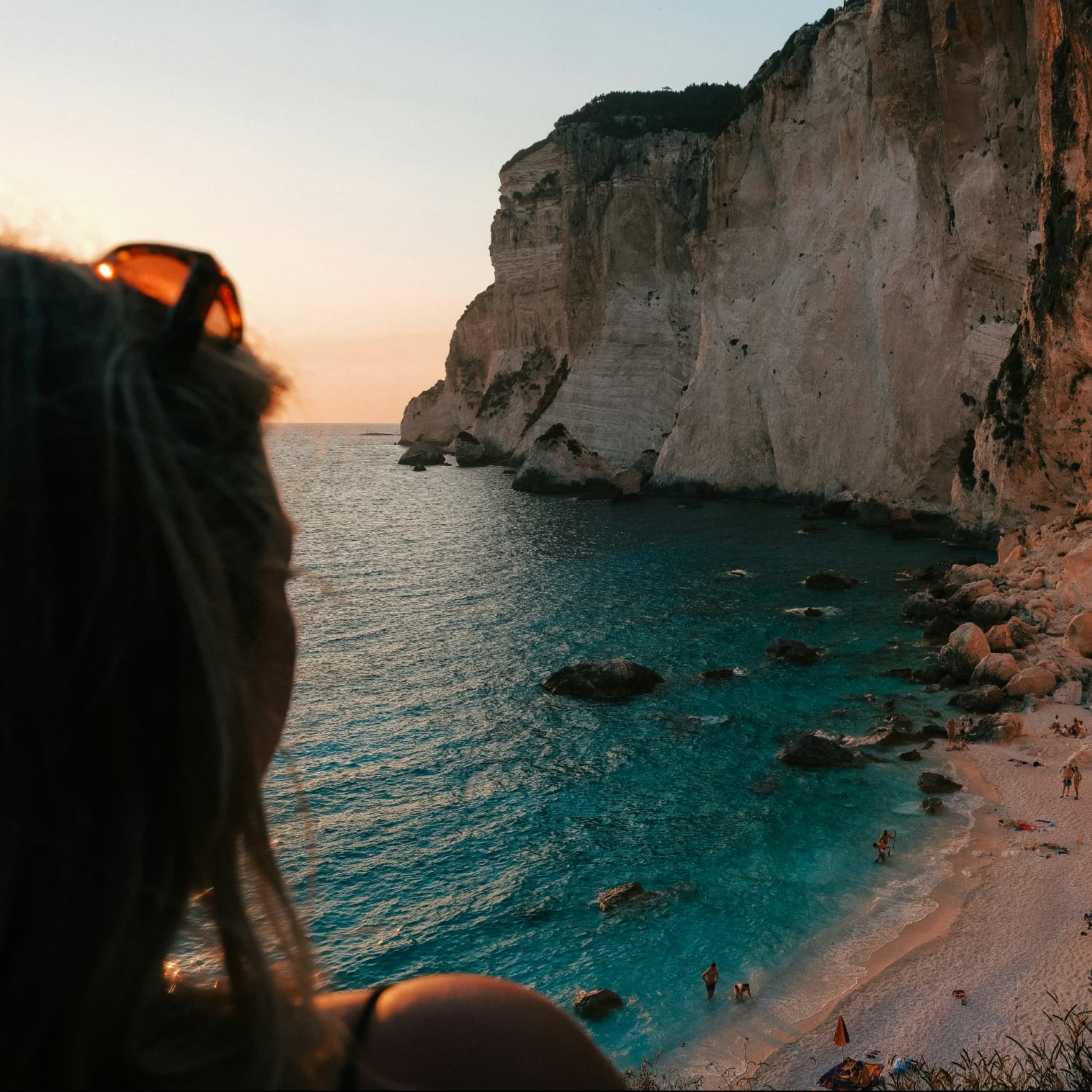
Greece makes solo travel feel simple because the ferries connect Athens, the Cyclades and Crete without needing a group plan. You can choose one island or keep moving, with clear routes, busy ports and plenty of independent travelers around.
