

Loading...

Thailand has the beaches, street food, islands and unforgettable adventures-but how do you experience it all without blowing your budget? Before you book your first flight, discover where to stay, what to eat, what to skip and how to make your money go further.

Written by Alvirno Jordan

Reviewed by Alvirno Jordan

Published 01 September 2026
Thailand is one of those places where $250-$350 can take you surprisingly far if you're travelling on a budget. For one week, excluding international flights, that can cover budget accommodation, three meals a day, local transport and a selection of inexpensive things to do - if you know where to save. The biggest budget killers aren't the experiences; they're tourist-priced food, unnecessary transfers and expensive tours.
Where you spend your week matters just as much as how you spend it. Northern and mainland Thailand can be incredibly good value, while popular islands and beach destinations can push your costs up quickly. Pick your base wisely, eat where locals eat and use public transport, and you can experience a lot of Thailand without constantly watching your wallet.
| Travel style | 1-week budget | Per person | What this assumes | |
|---|---|---|---|---|
| Solo traveller | $250-$350 | $250-$350 | Hostel dorm, street food, local transport, mostly free/cheap activities | |
| Couple | $450-$650 | $225-$325 | Shared private budget room, local food, public transport, inexpensive activities | |
| Family of four | $750-$950 | $188-$238 | Family room or budget apartment, local food, shared transport and mostly free or low-cost activities |
May-October is generally the cheapest period for stretching a $250-$350 weekly budget, as lower tourist demand can bring cheaper accommodation and better deals. September is often among the cheapest months for accommodation, although heavier rainfall can make beach-focused trips less predictable.
November-February is Thailand's busiest travel period, when higher demand can make your $250-350 budget harder to maintain, especially around Christmas and New Year. April's Songkran celebrations can also increase prices around the festival dates.
If you're trying to stay near $35-50 a day, compare accommodation prices before choosing your destination and dates. Saving even $5-10 a night on a room gives you $35-70 more for food, transport and experiences over a week - money that makes a real difference on a budget trip.
Where you stay can make or break a $250-350 weekly budget. For the best value, look for places with cheap accommodation and food, but also good transport connections so you can explore nearby attractions without constantly paying for flights or expensive transfers.
For the cheapest experience, northern Thailand is usually the easiest place to stretch your money, with Chiang Mai offering inexpensive food, accommodation and activities. Bangkok is a good middle ground: it has more tourist attractions, but excellent public transport and plenty of cheap local food. In the south, Krabi lets you experience Thailand's beaches while staying on the mainland, where accommodation can be cheaper than on the islands. Islands such as Koh Samui, Koh Phangan and Koh Phi Phi can cost more, particularly for accommodation and transfers.
You don't need to cover half the country to experience Thailand. Pick one well-connected base or region, explore nearby attractions as day trips, and avoid constantly changing accommodation. Fewer transfers mean more money for food, activities and the experiences that actually make the trip memorable.
Accommodation is one of the easiest areas for budget travellers to save money in Thailand.
Thailand can be incredibly cheap if you shop around for your accommodation. Current 2026 listings show plenty of budget dorms plenty of budget dorms in the $5-$10-a-night range in cheaper destinations, with options around $5 in Krabi and $10 in Bangkok. For a strict budget, these prices make a huge difference: choosing a $5 bed instead of a $15 one saves $70 over a week
The trick is knowing where to compromise. Stay slightly outside the main tourist strip, but close enough to walk to what you need. In beach destinations, look inland rather than directly on the waterfront, and in cities, prioritise a convenient location over a flashy room. Don't pay for facilities you won't use - if you're spending your days exploring, a clean dorm with a locker and good reviews can be better value than a private room.
When comparing places, check the final price rather than the advertised rate and read recent reviews for cleanliness, noise and location. For longer stays, message smaller guesthouses and ask for a weekly or direct-booking rate. Even a $2-3 nightly saving adds up to $14-21 a week, which can cover several cheap meals or activities.

Food is one of the biggest advantages for budget travellers in Thailand. Eating local food can keep daily spending surprisingly low, even in larger cities and popular tourist destinations.
Food is one of Thailand's biggest budget advantages. Local dishes such as pad Thai, noodle soups, fried rice and som tam can cost around $1-$3, while a simple meal at a local restaurant can be around $2-$4. At these prices, you can eat well without making food the part of your trip where you have to cut corners.
For the best value, follow the locals. Busy street stalls, fresh markets, food courts and small neighbourhood restaurants are usually cheaper than tourist-focused restaurants. Menus aimed heavily at Western travellers, beachfront restaurants and places directly beside major attractions often come with higher prices. Convenience stores such as 7-Eleven are also useful for inexpensive breakfasts, snacks and drinks when you need something quick.
One useful hack is to look at what is being served rather than how fancy the place looks. A crowded stall with a short menu can be a better value indicator than a restaurant with a polished interior and extensive menu. If there is no visible menu, ask the price before ordering so there are no surprises.
Drinks can change the maths quickly. Alcohol and imported drinks are considerably more expensive in bars and tourist areas than local food and non-alcoholic options, so keep nights out occasional if you're sticking to $35-$50 a day.

Thailand is easy to explore on a budget, with affordable buses, trains, ferries and shared transport. Domestic flights can also be worthwhile for longer distances.
Thailand's transport network gives budget travellers plenty of ways to move around cheaply. For short journeys, local buses and songthaews can cost around $1 or less, while longer routes are where choosing the right option really matters. A standard bus from Bangkok to Chiang Mai can start around $12-18, while the overnight sleeper train starts at roughly $23-25 for a second-class berth.
Use overnight transport when it makes sense. An overnight train or bus lets you travel while you sleep, potentially replacing a night of accommodation and helping keep your Budget Travel for Thailand on track. For example, the Bangkok-Chiang Mai sleeper train takes around 12-14 hours, with second-class berths around $23-25, while budget flights on the same route can sometimes start around $20 when booked ahead. The cheapest option isn't always the best, so compare the fare, travel time and whether you'll need another night's accommodation when you arrive.
Ferries are usually the practical budget choice for islands, with fares varying by route and operator. For example, current route data puts Koh Samui-Koh Phangan from around $4, while Krabi-Koh Phi Phi starts around $14. For longer journeys, compare buses, trains and flights before booking rather than assuming flying costs more.
The best budget hack is to compare the complete journey, not just the advertised ticket. A $20 flight can become more expensive after baggage and airport transfers, while a $25 overnight train may also save you a hotel night. With a $35-50 daily budget, choosing transport this way can make a much bigger difference than saving a dollar or two on individual short trips.
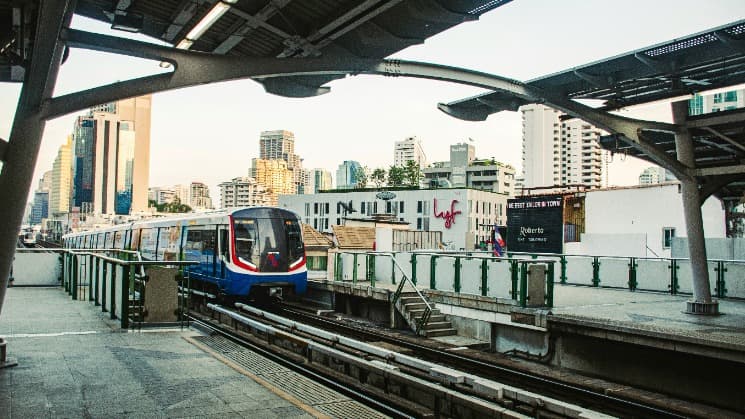
You do not need expensive tours or organised excursions to experience Thailand.
Thailand has plenty to see without paying for expensive excursions. Explore local temples, browse night markets, walk through historic neighbourhoods, hike nature trails, visit public beaches and seek out waterfalls and viewpoints. Many smaller temples are free or ask for a small donation, while major attractions are still relatively inexpensive. In Bangkok, for example, Wat Arun costs about $6, Wat Pho around $8-9 and the Grand Palace about $15 for foreign visitors.
Look beyond the headline attractions. Instead of paying for a guided temple tour, visit several temples independently. Rather than booking an organised island excursion, look for public beaches and viewpoints you can access yourself. National parks can also be good value, with foreign visitor entrance fees commonly around $6-10, giving you access to trails, waterfalls and natural scenery.
Mobile data makes independent exploring much simpler. You can check maps, find transport, translate signs and move between nearby sights without relying on a guide or hotel transfer. A Thailand eSIM from BeachSIM helps you stay connected while keeping more of your travel budget for food, drinks and experiences.
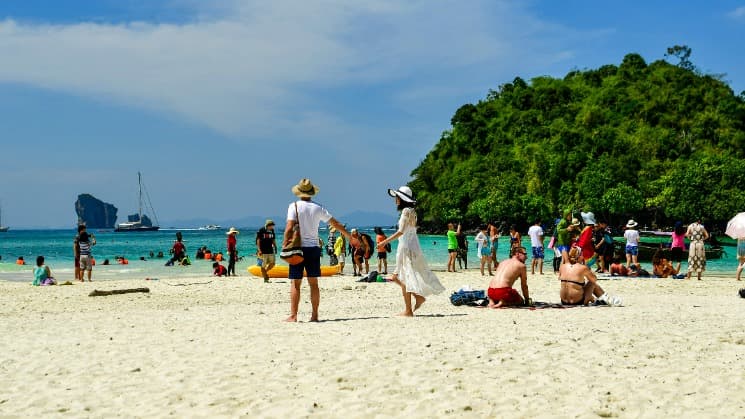
Thailand's markets are a great place to shop without spending much, but you do not need to visit the most famous tourist markets to find good-value souvenirs, clothing and local products.
Thailand is a great place to shop without spending much, especially at local markets. Basic souvenirs and accessories can start around $1-3, simple cotton clothing around $5-10, and elephant-print trousers around $3-9. Prices vary by quality and location, so use these as rough benchmarks rather than fixed prices.
The cheapest option isn't always the most famous market. Local fresh markets, night markets and second-hand markets can offer better prices than areas built primarily for tourists. Pattavikorn Market in Bangkok, for example, is known for extremely cheap second-hand clothing, while markets across Thailand offer inexpensive clothing, crafts, snacks and souvenirs without an entrance fee.
Bargain selectively. Negotiating is common for many market goods, but compare a few stalls first and don't waste time haggling over items that already cost $1. If you're buying several similar items, ask for a better combined price. Most importantly, set a shopping limit before you start browsing - buying five $3 souvenirs still costs $15, even if every individual purchase felt like a bargain.
If you're travelling on a tight budget, set aside a specific amount for shopping before you arrive. It is easy to save money on accommodation and food only to spend those savings on souvenirs and impulse purchases.

Thailand is still very cash-friendly, particularly for markets, street stalls and smaller businesses. Keep some Thai baht in smaller notes, but don't exchange a large amount at the airport, where rates are often less competitive. Compare exchange rates at reputable exchange counters in town before changing more money.
ATM fees can quietly eat into a tight budget. Instead of making several small withdrawals, take out enough cash for several days where practical, and check whether your bank charges an additional foreign transaction or currency-conversion fee. When paying by card, choose to be charged in Thai baht rather than your home currency if the terminal offers a choice, as the merchant's currency conversion can use a less favourable rate.
For a $35-50 daily budget, small fees matter. A few dollars lost to repeated ATM charges or poor exchange rates may not sound significant, but over a longer trip they can add up to the cost of an extra meal, activity or night's accommodation. Track your spending in baht, rather than constantly converting every purchase back into dollars, so you can see how quickly your daily budget is being used.
Thailand can be very affordable, but a few easily overlooked expenses can push your budget higher than expected.
Reliable mobile data can help you spend less while you travel. Use Google Maps to find better value local attractions, check public transport, compare nearby prices, translate menus and avoid paying for a taxi or tour just because finding your way feels difficult.
A Thailand eSIM from BeachSIM gives you data as soon as you arrive, so you do not need to look for a SIM shop at the airport or depend on costly roaming.
A week in Thailand doesn't have to cost a fortune. With around $250-350, smart choices on accommodation, food, transport, connectivity and activities can take you surprisingly far. The key is knowing where your money goes furthest, avoiding unnecessary tourist markups and spending on the experiences that matter most to you.
Travel on a budget, not at the expense of the experience. With a little planning, from choosing affordable stays and local transport to sorting your connectivity before you fly, you can explore more of Thailand while keeping your spending under control.
About the author

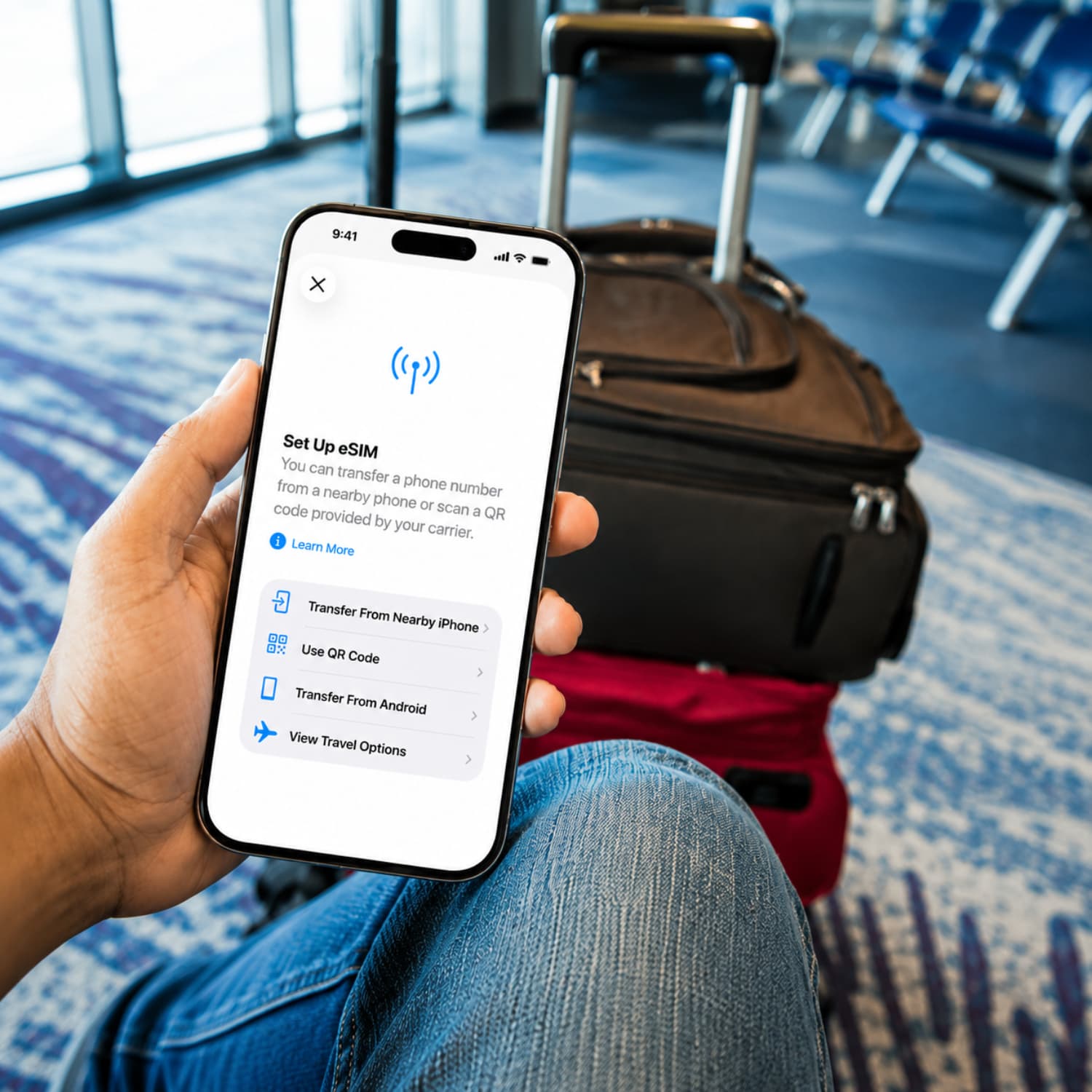
Heard the term eSIM but not sure what it means? This article answers the basics: what an eSIM is, how it differs from a physical SIM, and why more people are choosing it for travel and everyday use.
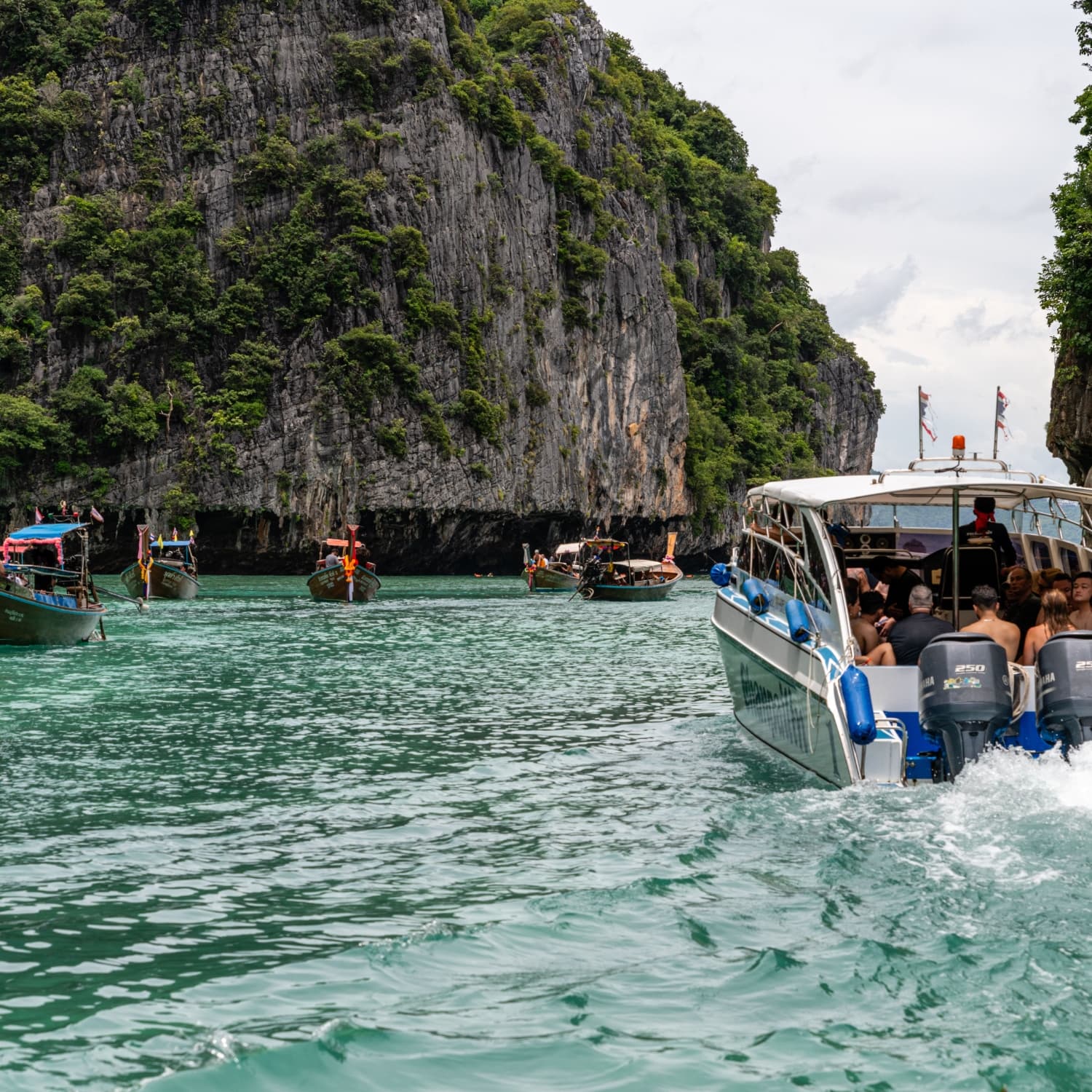
Thailand can fill your travel plans in minutes, but choosing what is truly worth your time is not always so simple. This guide brings together the places, activities and local experiences that make a trip to Thailand feel unforgettable.

Few things are more frustrating than returning from holiday to a huge roaming bill. This guide breaks down what data roaming is and explores affordable alternatives for travellers.
