

Loading...
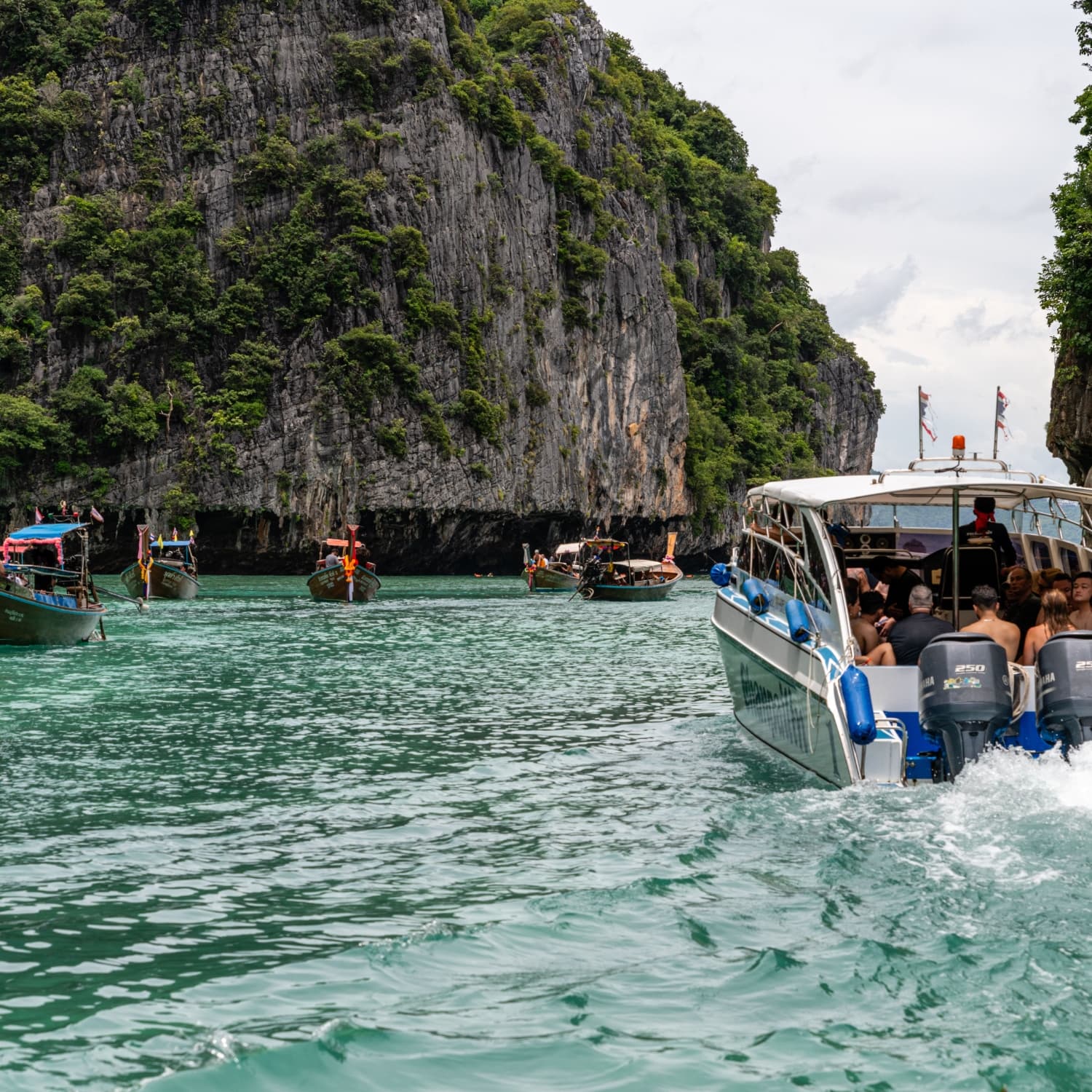
Thailand can fill your travel plans in minutes, but choosing what is truly worth your time is not always so simple. This guide brings together the places, activities and local experiences that make a trip to Thailand feel unforgettable.

Written by Alvirno Jordan

Reviewed by Alvirno Jordan

Updated 16 August 2026
Bangkok is a great place to start a Thailand trip, with royal palaces, Buddhist temples, sky high towers, busy markets and river life all packed into one city.
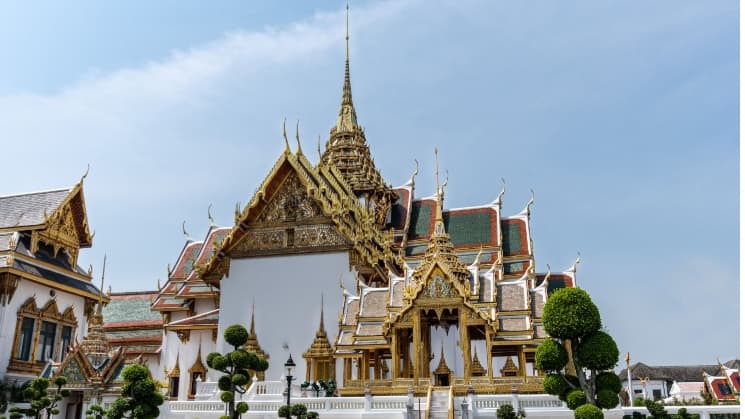
The Grand Palace is Thailand at its most iconic, with golden chedis, royal halls, Wat Phra Kaew and its Emerald Buddha, plus a miniature version of Angkor Wat.
Wat Pho is one of the oldest and largest temples in Bangkok. Go for the 46 metre gilded reclining Buddha, then stay for the calm courtyards and the birthplace of Thai massage.
Wat Arun sits across the Chao Phraya River, covered in ceramic mosaics that catch the light beautifully. It is especially memorable when seen from the water.
Jim Thompson House is a quieter cultural stop, with guided tours through traditional Thai buildings, art, artefacts and a lush garden.
The Giant Swing is one of old Bangkok most recognisable landmarks, once used in dramatic religious ceremonies that were later stopped for safety.
Wat Benchamabophit, also known as the Marble Temple, is another beautiful religious landmark to add to a temple route in Bangkok.
A boat ride on the Chao Phraya gives you a fresh view of temples, old buildings and riverside landmarks.
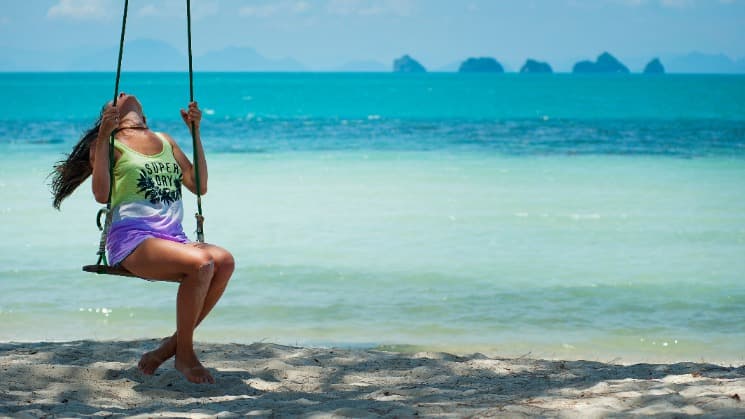
Beyond the temples and palaces, Bangkok has plenty of unusual places that make the city feel even more memorable.
At Maeklong Railway Market, a full size train rolls straight through the street market several times a day, while vendors fold back their stalls just in time.
One Bangkok restaurant is famous for a pot of beef stew that has been kept simmering for more than 45 years.
For something playful, a tree canopy restaurant lets guests dine from bamboo nests set high among the branches.
The unfinished Ghost Tower has an eerie presence, while Bangkok also has talisman shrines, medical museums with pathology displays and other eccentric stops.
A Buddhist hell temple shows vivid 3D scenes of underworld punishments, making it one of the more intense religious sites around the city.
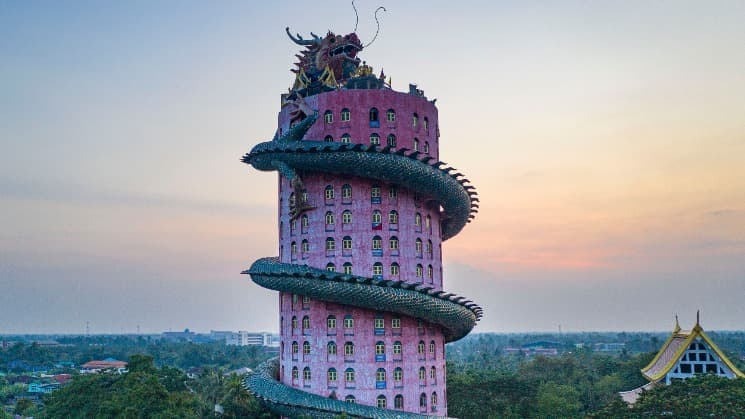
One 17 storey temple has a giant dragon curling around the outside. Other odd finds include a LEGO elephant high rise and a museum shaped around a three headed elephant.
Another distinctive religious building was decorated with more than a million ceramic tiles recovered from a British shipwreck.
In Chiang Mai, Lila Massage Parlour supports former female prisoners with training and work as masseuses.
Markets in Thailand are colourful, lively and full of everyday local culture.
At Damnoen Saduak Floating Market, vendors sell fruit, snacks, cooked food and handicrafts from canoes along the canals.
Amphawa Floating Market has a similar canal market feel and is easy to pair with Damnoen Saduak on the same trip.
Chatuchak Weekend Market has around 15,000 stalls across 26 sections, with clothing, crafts, food, antiques and homeware.
Chiang Mai night and weekend markets are great for street food, local crafts, clothes and souvenirs.
In Bangkok, Patpong and Asiatique add nighttime shopping with food, lights and entertainment.
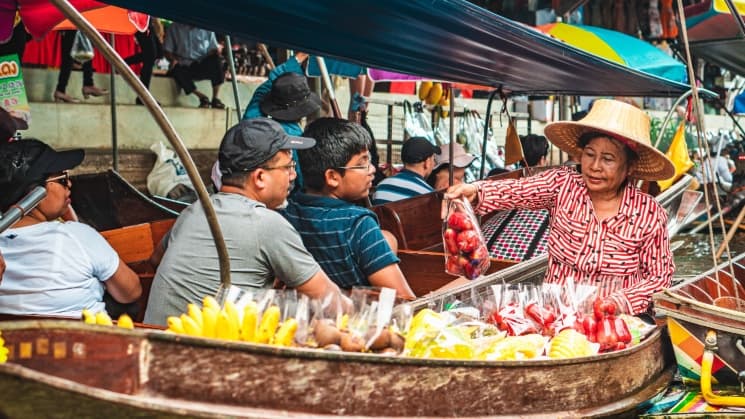
Food is a huge part of travel in Thailand, and Bangkok street food is one of the best ways to jump in.
Chinatown is famous for late night eating, from oyster omelettes to bowls of noodles. Going after dark is part of the experience.
Tuk-tuk food tours are a fun way to taste dishes across different neighbourhoods in one evening.
Cooking classes in Bangkok, Chiang Mai and Phuket often begin at a market before moving on to green curry, Tom Yum and papaya salad.
Some classes take place on rice barges or inside luxury hotel kitchens, while Chiang Mai also has Michelin Guide linked street food tours.
For fine dining, Sra Bua by Kiin Kiin at the Siam Kempinski Hotel gives Thai flavours a modern, polished twist.
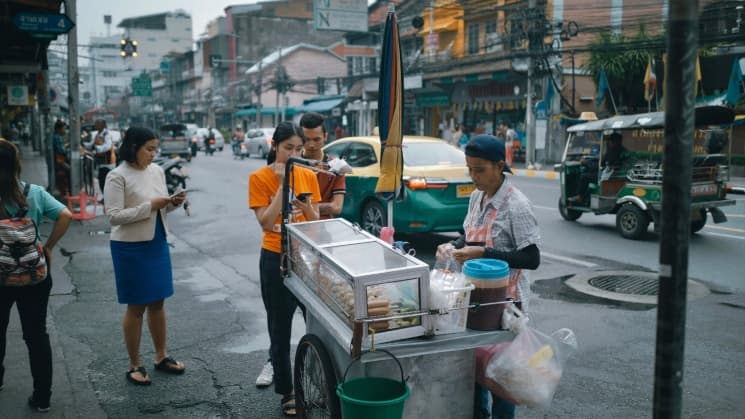
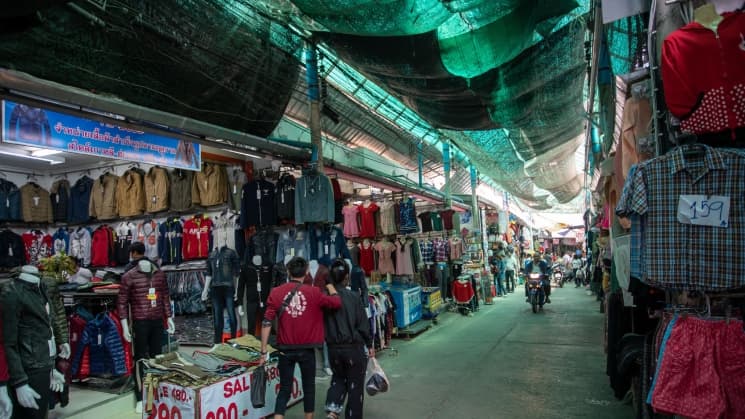
Bangkok makes shopping easy, whether you want cheap market finds or polished luxury malls.
MBK is popular for budget buys, while Siam Paragon and CentralWorld focus more on international and premium brands. Night markets add food and entertainment to the shopping.
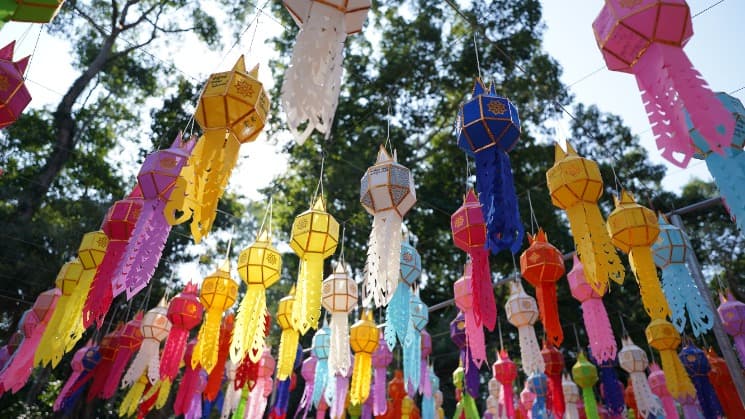
Festivals in Thailand are immersive, joyful and deeply tied to local tradition.
Songkran, the Thai New Year water festival in mid April, turns streets into huge celebrations, though its roots are in a traditional water blessing ritual.
Loi Krathong falls on the full moon of the 12th lunar month, when candlelit krathongs are floated on rivers and canals.
Chiang Mai is especially famous for Loy Krathong and lantern celebrations that fill the night with light.
Siam Niramit in Bangkok uses more than 150 performers and elaborate effects to tell stories from Thai history and culture.
Classical Thai theatre and cultural dinner shows bring together music, dance and storytelling in an easy evening format.
Thailand has around 26,000 Buddhist temples, with styles shaped over roughly 1,000 years, from Lanna in the north to central Thai and Isaan traditions.
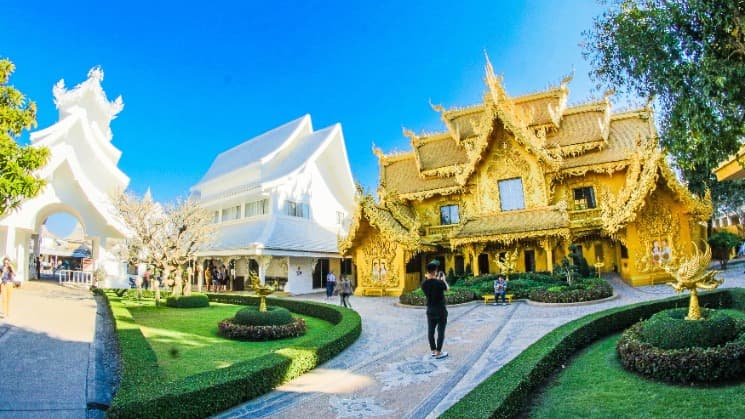
In Chiang Rai, Wat Rong Khun is the famous White Temple with a contemporary all white design, while Wat Rong Suea Ten is known for bold blue and gold decoration.
Wat Phra That Doi Suthep sits above Chiang Mai and is loved for its hilltop setting, sacred atmosphere and wide city views.
Near Pattaya, the Sanctuary of Truth is an all wood structure that blends several Asian religious and philosophical traditions.
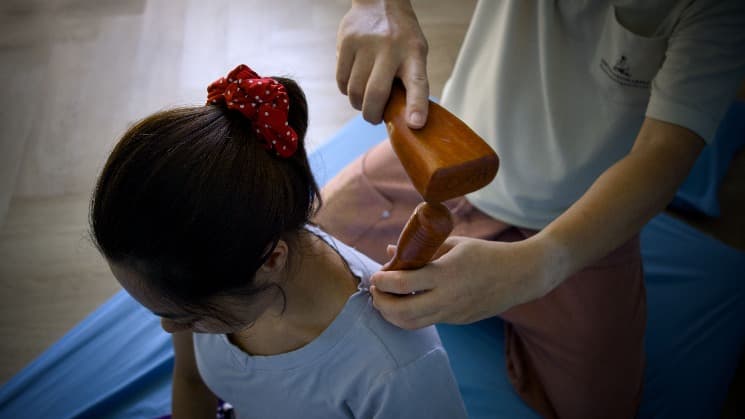
Thai massage at the Wat Pho massage school is rooted in local practice, so booking ahead is a good idea.
Wat Phu Thok in the northeast rises from a 359 metre limestone peak, with ascending levels that symbolise the seven stages toward nirvana.
The history of Thailand reaches far beyond modern Bangkok, with old capitals, ruined temples and layered border stories.
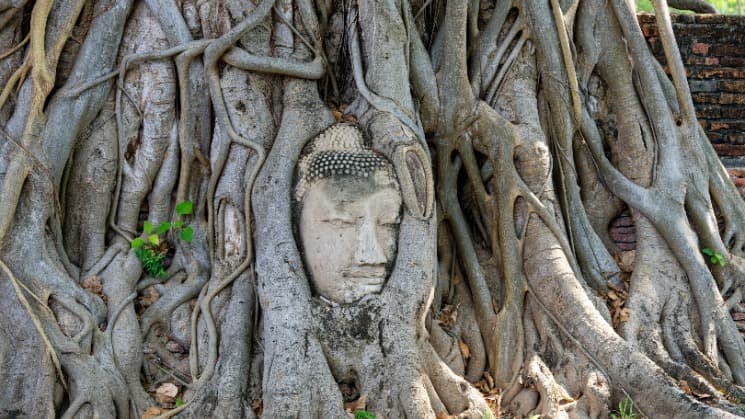
Ayutthaya, the UNESCO listed former capital destroyed in the 18th century, is full of weathered Buddha statues, stone prangs and crumbling temples. Explore by bike or tuk-tuk.
Wat Mahathat is best known for the Buddha head nestled tightly among tree roots.
Wiang Kum Kam near Chiang Mai is a buried ancient city that feels quieter than Ayutthaya, with bike, tram and pony options for exploring.
The Thai Burmese Railway, often called the Death Railway, was built during WWII by Allied POWs and Asian labourers under forced conditions. It is a deeply significant site.
The Golden Triangle, where Thailand, Laos and Myanmar meet, is linked to the historic opium trade, with a museum that explains this complicated past.
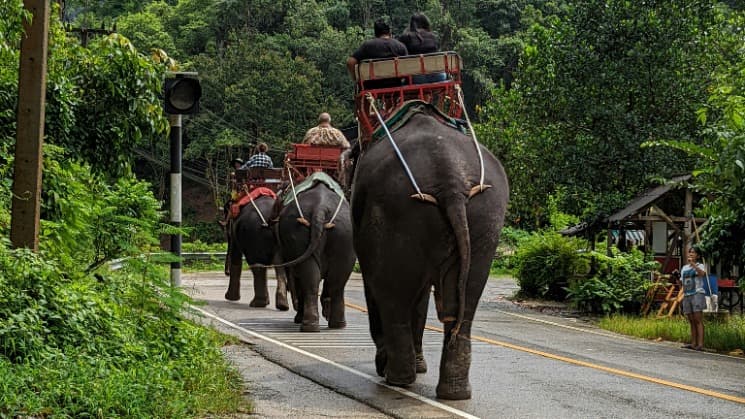
Wildlife experiences in Thailand are most rewarding when they put animal welfare first.
Ethical sanctuaries such as Elephant Nature Park and Elephant Hills let visitors observe, feed and watch elephants bathe without riding them.
Thailand has 156 national parks, covering roughly 31% of the country land area.
Safari World in Bangkok offers an open zoo style visit and animal shows aimed mainly at families.
The former Bangkok Zoo has faced animal welfare criticism, so it is not usually recommended.
The natural beauty of Thailand goes well beyond its beaches.
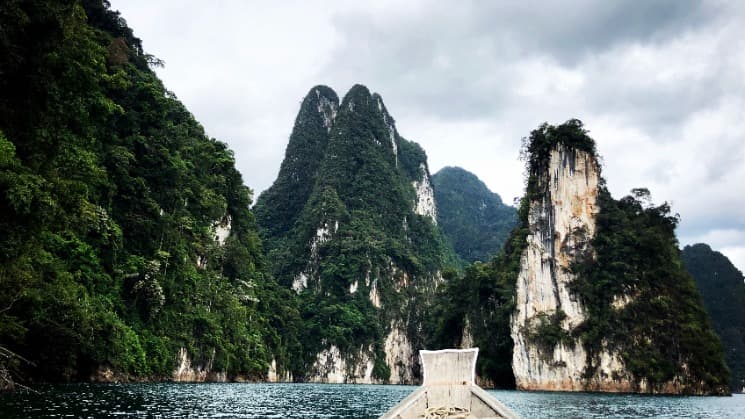
Khao Sok National Park in Surat Thani has ancient rainforest, limestone mountains and waterfalls, with kayaking, hiking, caves and swimming.
Cheow Lan Lake, inside Khao Sok, is known for limestone cliffs and boat or kayak trips, and is often compared with Halong Bay.
Khao Yai National Park, established in 1962 as the first national park in Thailand, offers birdwatching, caves, waterfalls and night safaris, with road access from Bangkok.
Red Lotus Lake is a wetland covered in pink lotus flowers, especially photogenic when they are in bloom.
At a naturally grippy waterfall, visitors can walk upward through the flowing water.
Mu Koh Lanta National Park has jungle walks, a lighthouse hike and quieter beaches, making it a good pick if you want somewhere off the beaten path.
Snorkelling and diving are big reasons to head south, especially around the Similan Islands, Phi Phi, Phang Nga Bay and Koh Tao.
Southern resorts also offer parasailing, jet skiing, paddleboarding and windsurfing.
For a bigger rush, bungee jumping is available at Xbungy in Pattaya and Jungle Bungy Jump in Phuket.
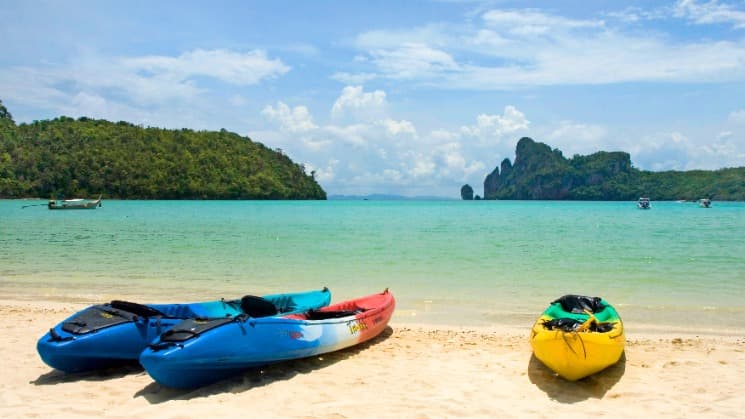
Adventure trips are easy to book across Thailand, from airport desks to travel shops on Khaosan Road.
ATV and zipline combo tours are especially popular around Phuket and Krabi.
Waterfall abseiling is best suited to experienced outdoor travellers who are comfortable with heights and water.
Art in Paradise has more than 150 optical illusion installations across six zones and is a fun stop for families.
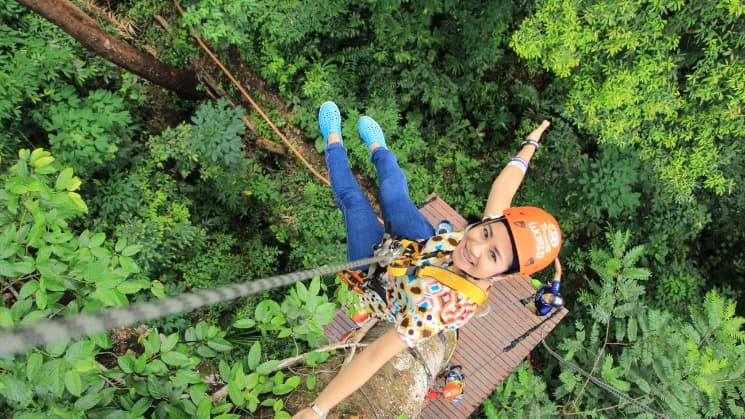
Thai massage is affordable and easy to find, combining acupressure with deep assisted stretching.
Muay Thai is technical and full of atmosphere, and seeing a match can be exciting even if it is your first time watching.
The waterways of Bangkok show a different side of the city, away from the traffic and high rises.
A Chao Phraya dinner cruise passes illuminated landmarks after dark and works well for couples and families.
A boat trip to Ayutthaya can be paired with cycling through the ruins once you arrive.
Tuk-tuk night tours bring together temples, markets and street food, with some recognised by TripAdvisor Travellers Choice.
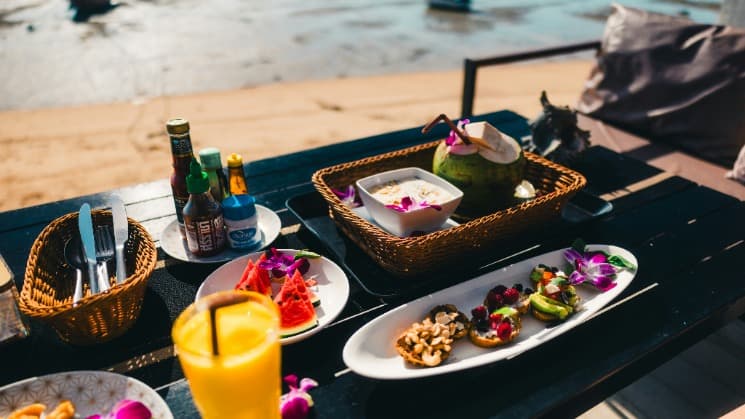
Northern Thailand has trekking options for many fitness levels, from easy forest walks to longer mountain routes.
Doi Suthep Pui and Doi Inthanon national parks near Chiang Mai offer forest and mountain trails, while longer routes reach highland communities near Pai and Mae Hong Son.
Tiger Cave Temple in the south combines jungle caves with a tough climb to a dramatic clifftop viewpoint.
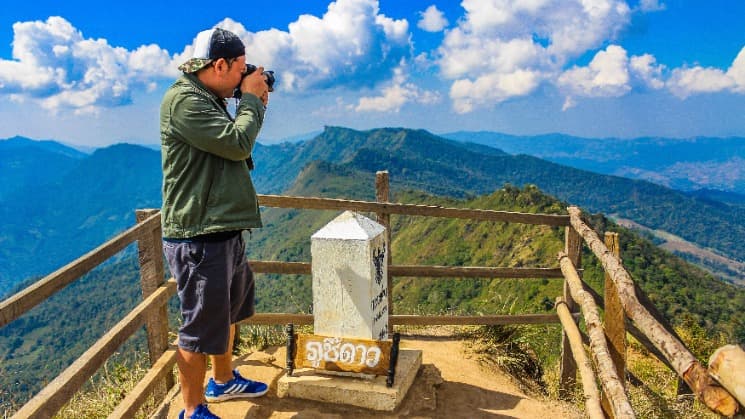
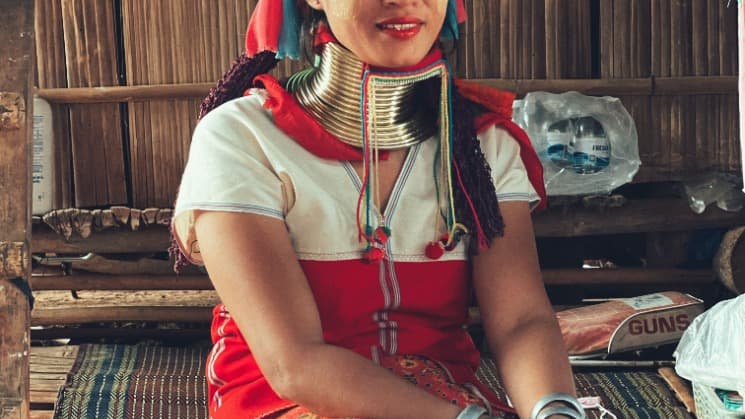
Community based tourism can make travel in northern Thailand feel more personal and meaningful.
Mae Kampong homestays near Chiang Mai offer wooden hillside homes, tea growing and a closer look at village life.
The Golden Triangle opium museum gives a clear and sobering view of the region past.
Sak Yant sacred tattoos should be approached with respect, as they carry cultural and religious meaning beyond their visual appeal.
Phuket is a gateway to southern beaches and islands, with white sand, Patong nightlife, water sports, jungle trips and boat tours.
Phuket Town has colourful streets, restaurants and Sino Portuguese architecture, along with nearby sights such as the hilltop Big Buddha and Wat Chalong.
The Phuket Vegetarian Festival is known for intense rituals, including fire walking.
Phang Nga Bay became famous through a 1974 James Bond film and is known for dramatic limestone formations rising from turquoise water.
Boat, kayak and sunset tours explore sea caves, lagoons and tidal chambers called hongs, with wildlife such as monkeys, dolphins, turtles and bats.
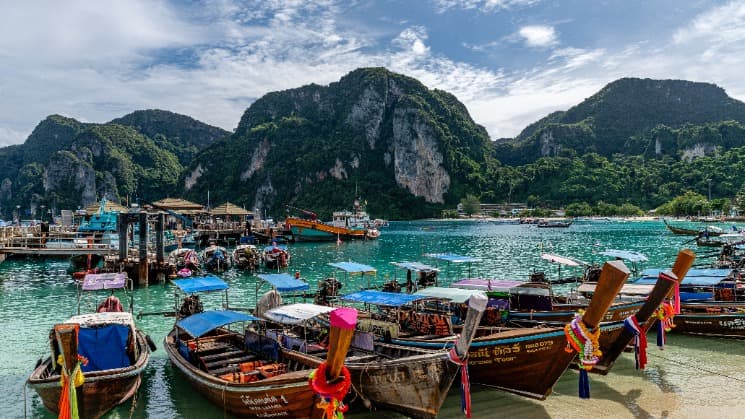
Railay Beach in Krabi is reached by boat because of the cliffs, with limestone scenery, turquoise water and white sand.
Railay is known for world class rock climbing, while Tonsai Beach has beginner areas, guides and a relaxed solo traveller feel.
Sea kayaking along the Andaman coast of Krabi takes you past limestone formations, coves and small islands.
The Surin Islands offer excellent snorkelling on National Park reef trips, with camping and park accommodation available.
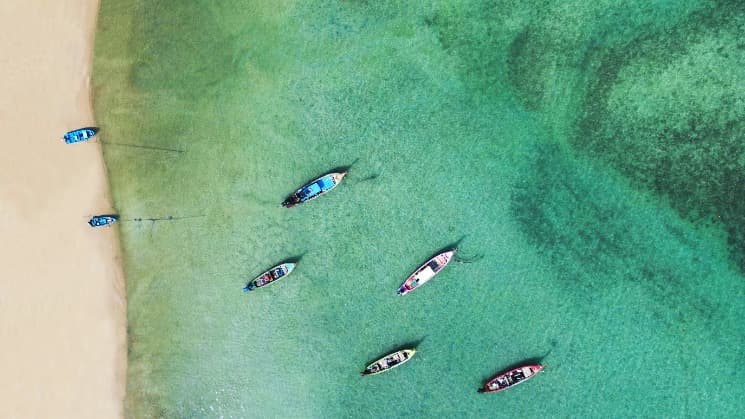
The Phi Phi Islands are known for limestone cliffs, emerald water, white beaches and marine life, with longtail boats and speedboats running from Phuket.
Maya Bay, made famous by the film The Beach, reopened after an environmental closure. Go early or outside peak times for a calmer visit.
Viking Cave on Phi Phi is worth adding to an island day trip.
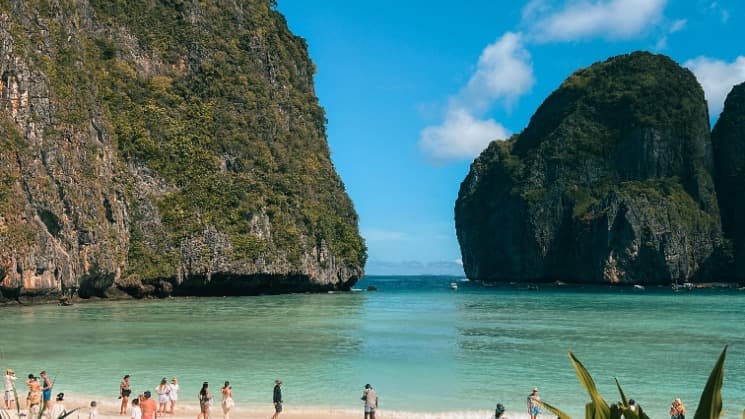
The Gulf islands offer a different kind of coast from the Andaman side, with their own beaches, diving and island rhythm.
Koh Phangan has jungle scenery, varied activities and the legendary Full Moon Party, plus quieter beaches away from the nightlife.
Koh Tao is a top diving spot, with reefs, wrecks, turtles and sharks, as well as affordable courses for learning scuba diving.
Koh Samui is a major beach and honeymoon destination, with water sports, nightlife and jungle excursions, though it is pricier than the smaller Gulf islands.
Ang Thong Marine Park near Koh Samui is ideal for sea kayaking among islands, limestone formations and hidden lagoons.
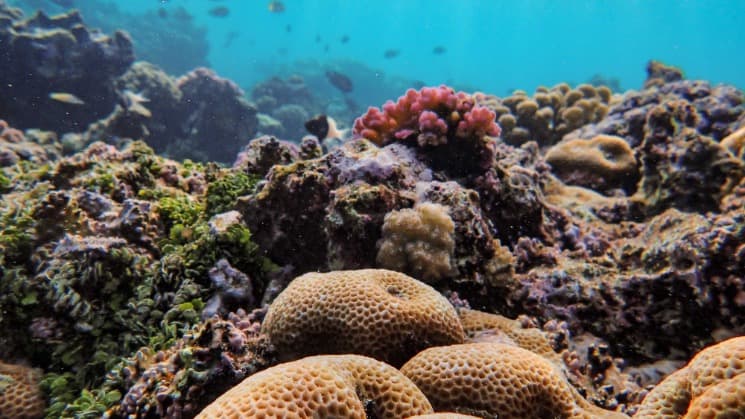
Beyond the big tourist names, the Andaman coast still has islands that feel slower and less crowded.
Koh Lipe in the Tarutao archipelago has uncrowded beaches and a castaway feel.
Koh Jum takes more effort to reach, but rewards you with quiet beaches, mountain trails and a slower pace.
Koh Lanta is reachable by road from Krabi but stays low key, and a motorbike is the easiest way to explore.
Koh Mook is a lesser visited Andaman island that sits beyond the standard island hopping circuit.
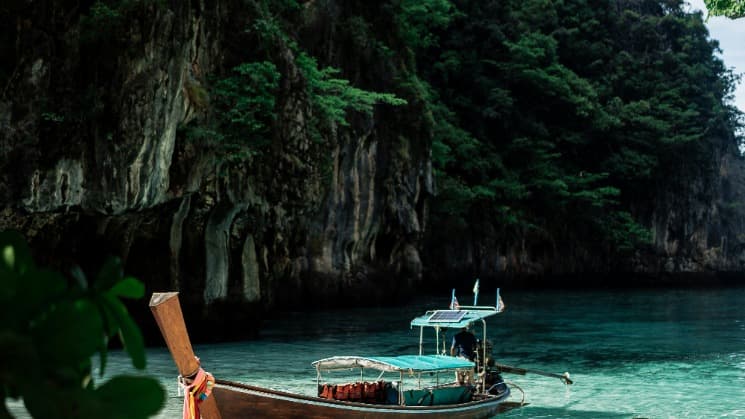
Thailand is large and varied, so allow 2 to 4 weeks or more if you want to combine Bangkok, the north and the southern islands.
For the Andaman Coast, November to April is usually best, with calmer seas and more boat services. May to October monsoon weather can disrupt crossings.
Costs vary a lot, from snorkelling trips around US$25 to private yacht charters over US$2,000.
For a short trip, combine Phuket, Phi Phi, Krabi and Bangkok. With more time, add Chiang Mai, Chiang Rai, Khao Sok, Ayutthaya or quieter islands.
South African passport holders should check the latest Thai entry and visa rules, and package holidays often fly from Johannesburg, Cape Town and Durban.
Carry small baht notes for floating markets and food stalls, as vendors often cannot change large bills.
Many tours include hotel pickup, faster entry, free cancellation and small group or private options.
Arrive early at sites such as Ayutthaya to avoid the biggest crowds and the midday heat.
First time visitors may find a private Bangkok guide helpful, especially because the city is large and transport can feel complicated.
For a luxury stay, a private villa with a chef, such as Samsara Villas near Phuket, can feel more special than a standard hotel.
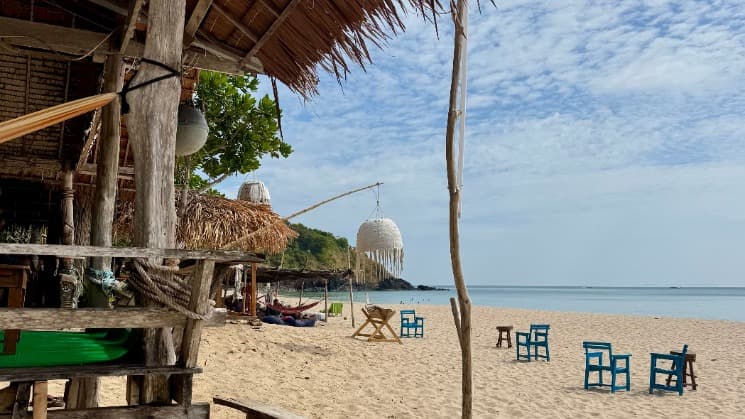
The greatest appeal of Thailand is its incredible variety. In one country, you can visit shining royal temples, ancient capitals, mountain villages, vast rainforests, limestone cliffs, tropical islands and some of the most celebrated food markets in the world.
Thailand is at its best when you mix different parts of the country instead of staying in one resort. Visit temples, try street food, travel by river and canal, hike in the mountains, experience local traditions and spend time on the islands. The country quickly becomes much more than a beach destination. It is somewhere you can return to again and again and still find something new.
With so many regions and experiences to plan, staying connected can make the journey much easier. An eSIM gives you convenient mobile data for maps, ferry and flight times, Thai translation, restaurant searches, attraction planning, transport bookings, tour operator messages and keeping in touch with family and friends. With BeachSIM, you can arrange an eSIM for Thailand before you travel, so you can get online as soon as you arrive without looking for a physical SIM card.
About the author

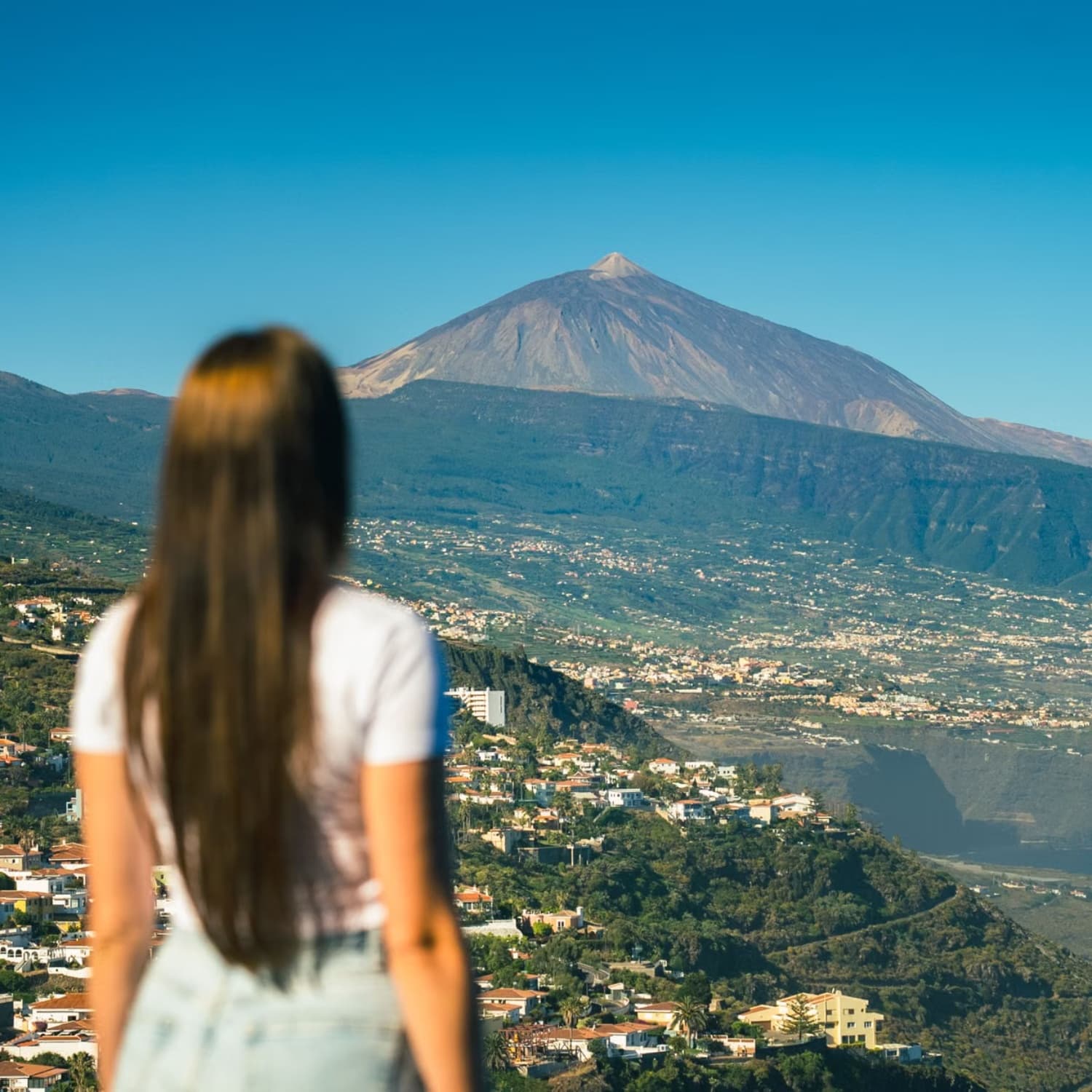
Hop between islands whenever you want using easy ferries and short Binter flights, no group plans to juggle. In Las Palmas, you'll land among solo travelers and digital nomads who make arriving by yourself feel totally normal. The Canary Islands welcome solo adventures.
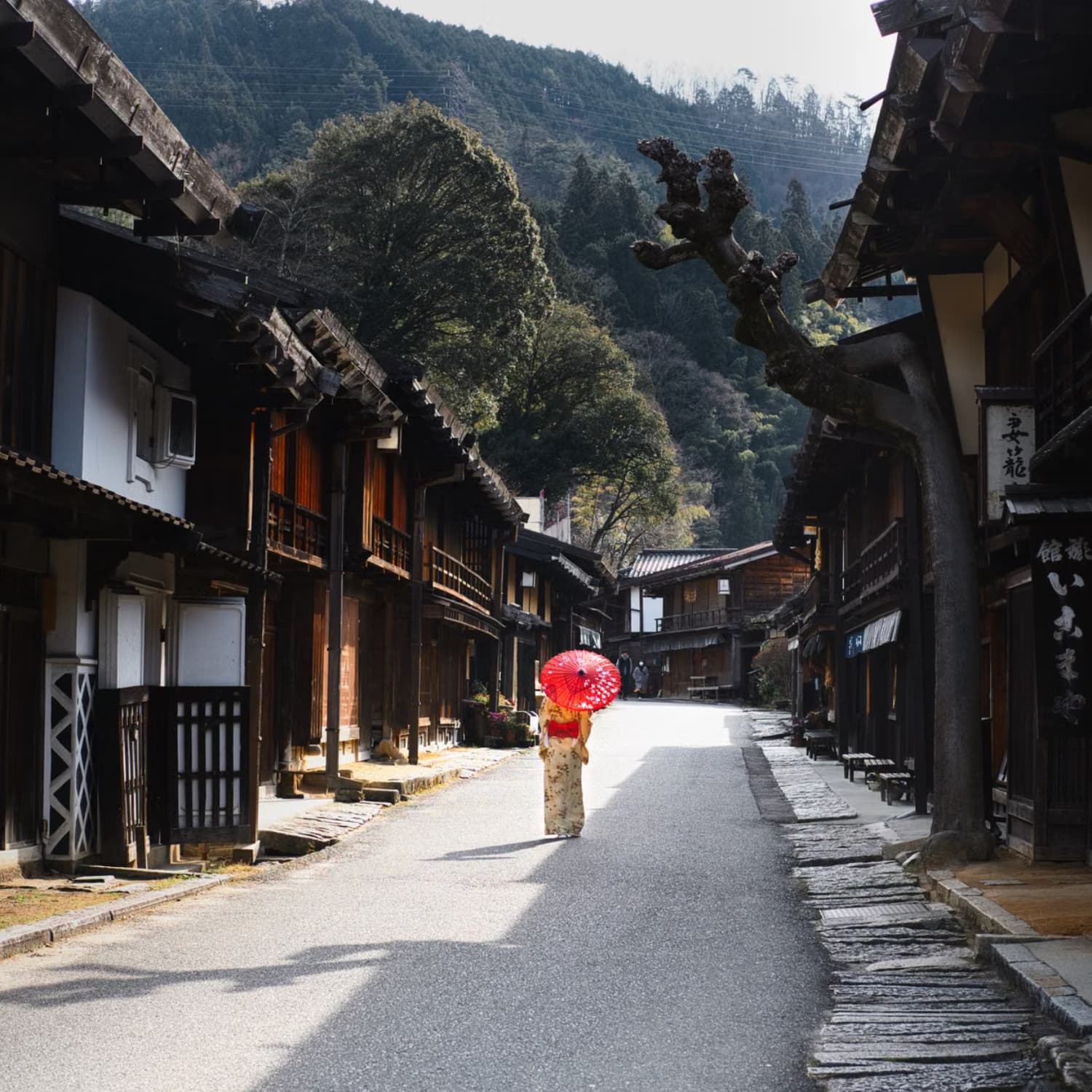
Japan is famous for lost wallets finding their way back, and that says a lot about everyday safety there. Violent crime is extremely rare, public transport feels calm, and solo travellers, including women, often find Japan reassuringly easy to explore.
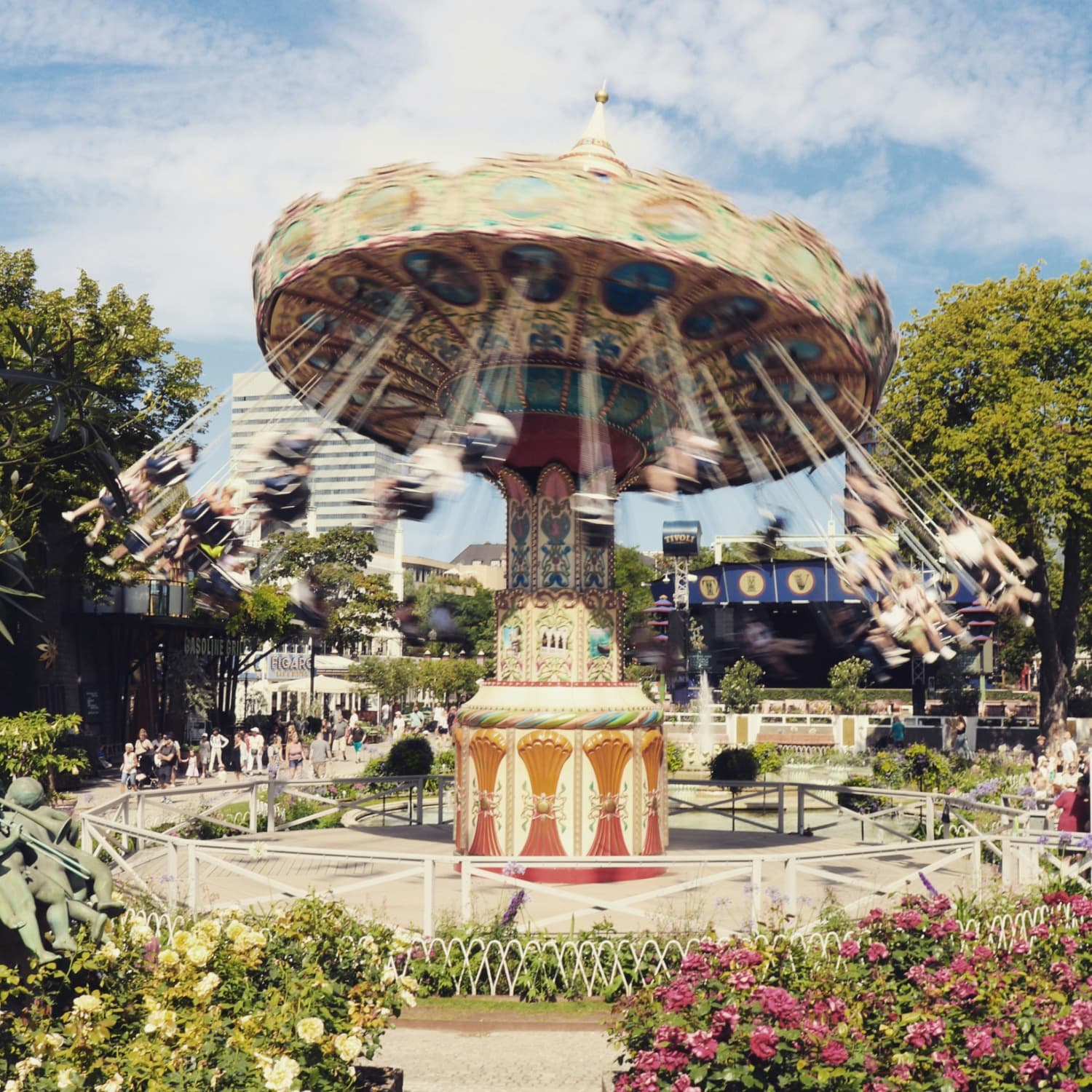
Denmark may be compact, but planning one trip around its best experiences takes some thought. This guide brings together Copenhagen, royal castles, Viking history, coastal escapes and memorable places to visit across the country, with ideas for culture, food, nature and easy day trips.
