

Loading...
Denmark may be compact, but planning one trip around its best experiences takes some thought. This guide brings together Copenhagen, royal castles, Viking history, coastal escapes and memorable places to visit across the country, with ideas for culture, food, nature and easy day trips.

Written by Alvirno Jordan

Reviewed by Alvirno Jordan

Updated 16 August 2026
Many visitors start their Danish trip in Copenhagen, one of the most liveable and bike friendly capitals in Europe.
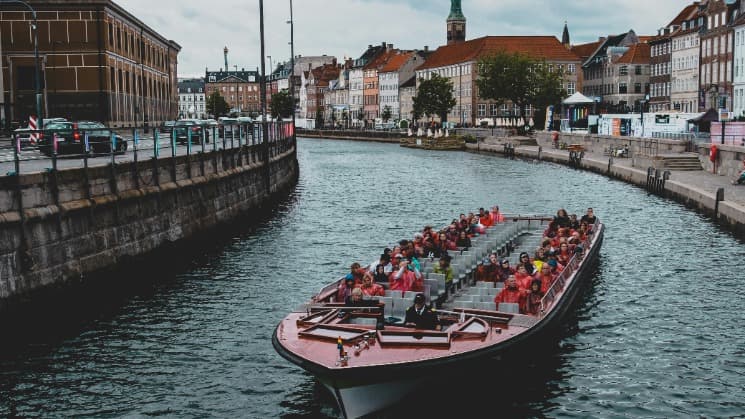
Nyhavn is an essential first stop, with its bright 17th century harbour houses, old wooden ships, outdoor cafes, and busy restaurants. It is one of the most photographed places in Denmark and a great spot to join a canal tour or simply take in the scene.
Close by, you can visit some of the great royal landmarks of Denmark. Rosenborg Castle, built by King Christian IV more than 400 years ago, holds the Danish Crown Jewels, while Christiansborg Palace is home to the Danish Parliament. Amalienborg Palace remains the official residence of the Danish royal family.
Another famous Copenhagen sight is The Little Mermaid, inspired by the fairy tale of Hans Christian Andersen. The bronze statue is smaller than many expect, but it has become one of the best known landmarks in Denmark and has survived several acts of vandalism over the years.
For a different side of the city, visit Freetown Christiania, an alternative neighbourhood founded in 1971 in former military barracks. Christiania is known for colourful murals, artist workshops, cafes, and its own community rules. Respect photo restrictions in certain areas, and plan your visit during daylight hours.
Other worthwhile stops include the historic Round Tower, the underground art space The Cisterns, hidden public artworks such as the bronze merman beneath a city bridge, and the giant wooden troll sculptures around Copenhagen. In spring, Bispebjerg Cemetery becomes one of the loveliest cherry blossom spots in the city.
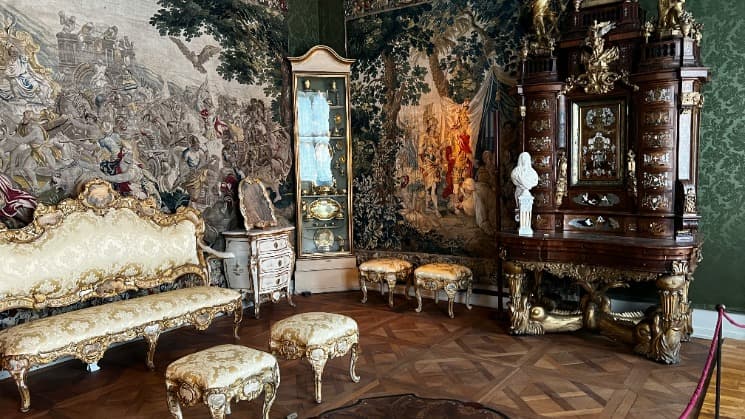
The National Museum is a great introduction to Danish culture, archaeology, Viking history, and royal heritage. Design lovers should make time for Designmuseum Danmark, where Danish and Scandinavian design is shown through objects that helped shape taste around the world.
Art fans will enjoy the Ny Carlsberg Glyptotek, with collections ranging from ancient cultures to Impressionist masterpieces. Copenhagen Contemporary and Nikolaj Art Gallery also host fresh and creative contemporary exhibitions.
Just north of Copenhagen, the Louisiana Museum of Modern Art is one of the finest museums in Europe, blending architecture, sculpture gardens, contemporary art, and sweeping views over the Øresund.
If you enjoy unusual collections, Denmark also has museums devoted to historic medical curiosities and another with one of the largest collections in Europe of jewellery made from human hair.
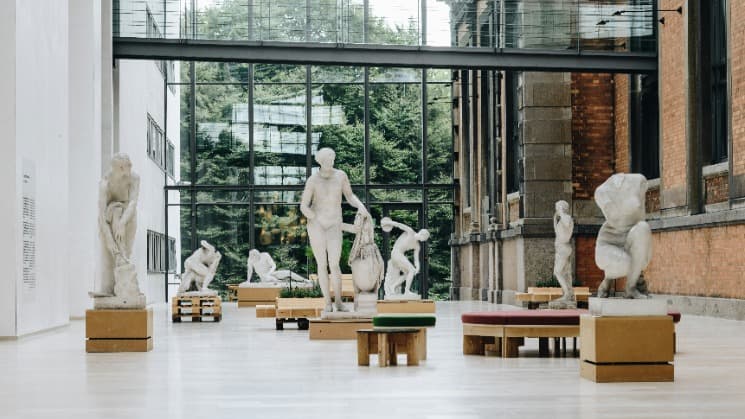
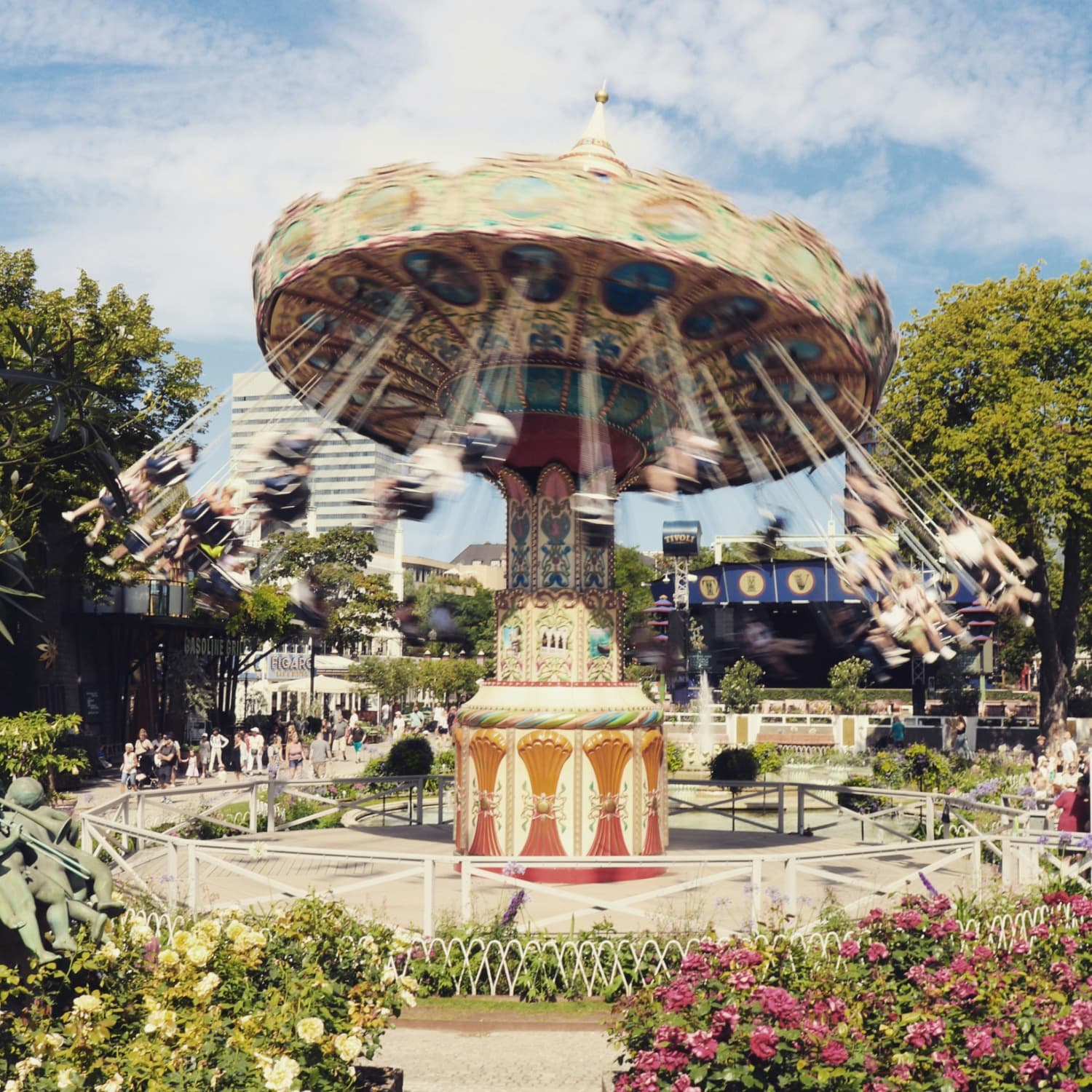
Few attractions feel as iconic as Tivoli Gardens, one of the oldest amusement parks in the world. Open since 1843, Tivoli brings together thrilling rides, graceful gardens, concerts, restaurants, and seasonal festivals in the heart of Copenhagen.
Tivoli changes character through the year. Spring brings Easter celebrations, autumn fills the park with Halloween displays, and winter adds Christmas lights, festive markets, and New Year celebrations. A Ride Pass is a smart choice if you plan to try several attractions.
Just outside Copenhagen, Bakken is officially the oldest amusement park in the world. It sits in beautiful woodland and is home to a classic wooden roller coaster from 1932.
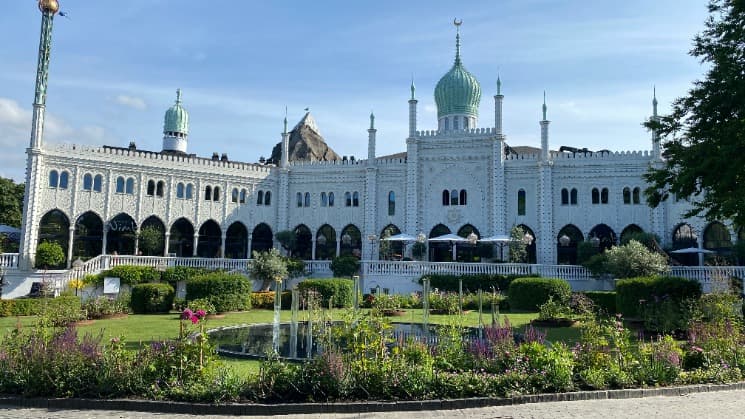
Copenhagen is especially beautiful from its canals.
Classic sightseeing cruises pass colourful waterfronts, Christianshavn, the Opera House, The Little Mermaid, and old shipyards, with stories that bring the city history to life.
For more freedom, rent a solar powered boat you can steer yourself, or explore the canals by kayak.
If you want to slow down, visit CopenHot, the largest outdoor spa in Denmark, where hot tubs and saunas look out over the harbour. For something more daring, bungee jumping from a crane above Nyhavn gives you a very unusual view of the city.
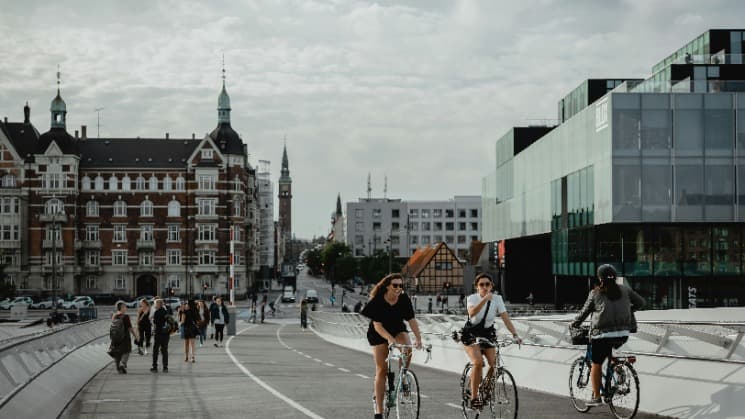
Cycling is part of everyday life in Denmark.
Copenhagen is regularly ranked among the most bicycle friendly cities in the world, with proper bike lanes, traffic lights for cyclists, and easy rental options. Hiring a bike lets you experience the city in a very local way.
Bike tours often mix sightseeing with stops at markets such as Torvehallerne, where you can try Danish specialities while learning about local neighbourhoods.
Across Denmark, more than 12,000 kilometres of cycling routes link cities, coasts, forests, and villages, making bike touring one of the most rewarding ways to travel through the country.
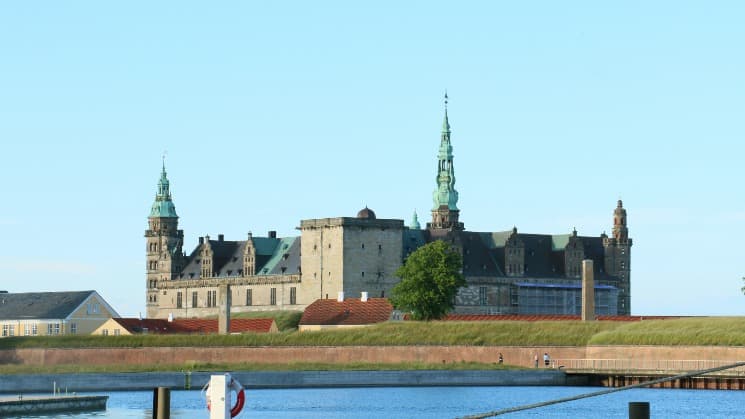
Denmark has more than 700 castles and palaces.
One of the finest is Kronborg Castle in Helsingør, a UNESCO listed fortress made famous as Elsinore in Shakespeare and Hamlet. Visitors can walk through grand halls, explore underground casemates, and enjoy wide views across the Øresund.
Frederiksborg Castle in Hillerød is just as impressive and is often compared with Versailles. Surrounded by lakes and formal gardens, it houses the Museum of National History and is one of the best examples of Renaissance architecture in Denmark.
Farther south, Koldinghus offers another fascinating look at the royal past of Denmark.
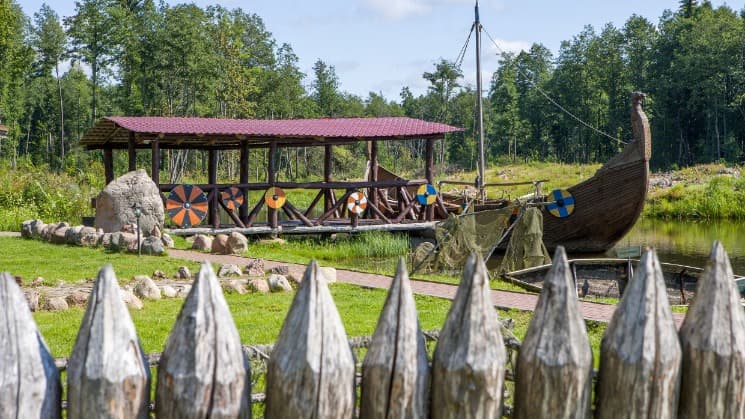
Denmark offers some of the richest Viking experiences in Northern Europe.
The Viking Ship Museum in Roskilde displays beautifully preserved Viking vessels alongside interactive exhibitions, traditional woodworking, rope making, and summer chances to sail on reconstructed Viking ships.
Across the country, you can explore ancient burial mounds, rune stones, medieval churches linked to early Danish kings, reconstructed Viking settlements, and circular Viking fortresses with historical reenactments.
The Moesgaard Museum near Aarhus gives one of the most immersive looks at Viking history in Denmark, while the annual International Viking Market in Ribe brings the past to life with costumed reenactors and craft demonstrations.
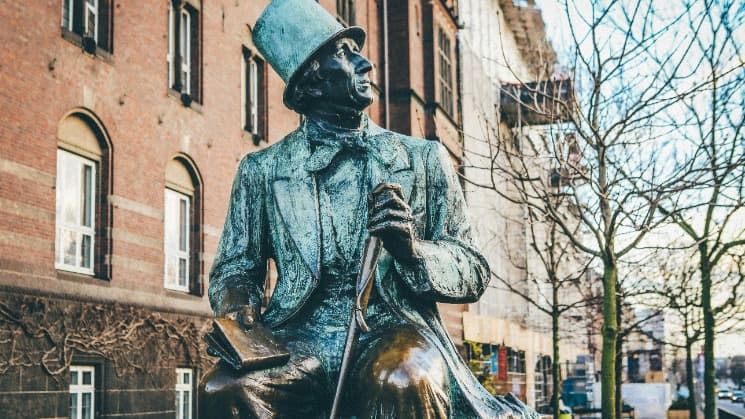
Few writers are tied to Denmark as strongly as Hans Christian Andersen.
His birthplace, Odense, is full of fairy tale charm. The Hans Christian Andersen Museum combines immersive storytelling, art, historic buildings, gardens, and interactive displays for both children and adults.
Around the city, sculptures of famous Andersen characters invite visitors to explore his literary legacy while wandering the streets.
Families will find plenty to do all over Denmark.
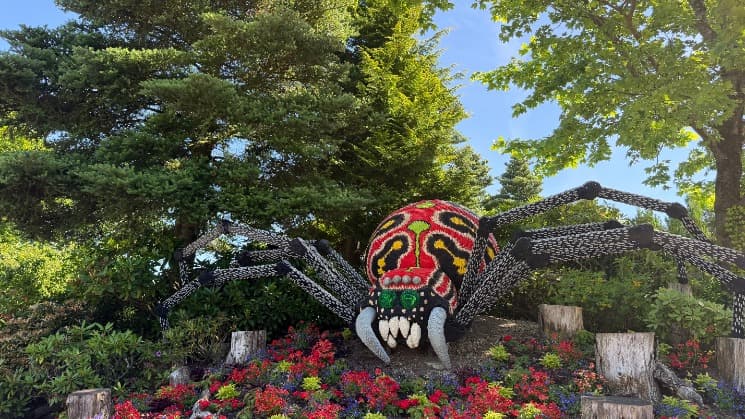
LEGOLAND Billund, the original LEGO theme park, has more than 60 million bricks, over 50 rides, themed worlds, and attractions for every age.
Next door, LEGO House celebrates creativity with interactive building zones, historical displays, and hands on activities.
Other great family stops include Knuthenborg Safari Park, the indoor tropical world of Randers Rainforest, the interactive Kattegat Centre, and the Middelalder Centret, where visitors can experience medieval life through archery, jousting, trebuchet demonstrations, and sword fighting.
The landscapes of Denmark are more varied than many visitors expect.
The bright white cliffs of Møns Klint rise above the Baltic Sea, with scenic walking trails, hundreds of steps down to the beach, and excellent stargazing in a designated Dark Sky Park.
Stevns Klint, another UNESCO World Heritage Site, combines dramatic chalk cliffs with geological history linked to the extinction of the dinosaurs.
At the northern tip of Denmark, Grenen near Skagen lets visitors stand with one foot in the North Sea and the other in the Baltic Sea, where the two waters visibly meet.
Nearby, Råbjerg Mile is the largest moving sand dune in Northern Europe and is often called the desert of Denmark.
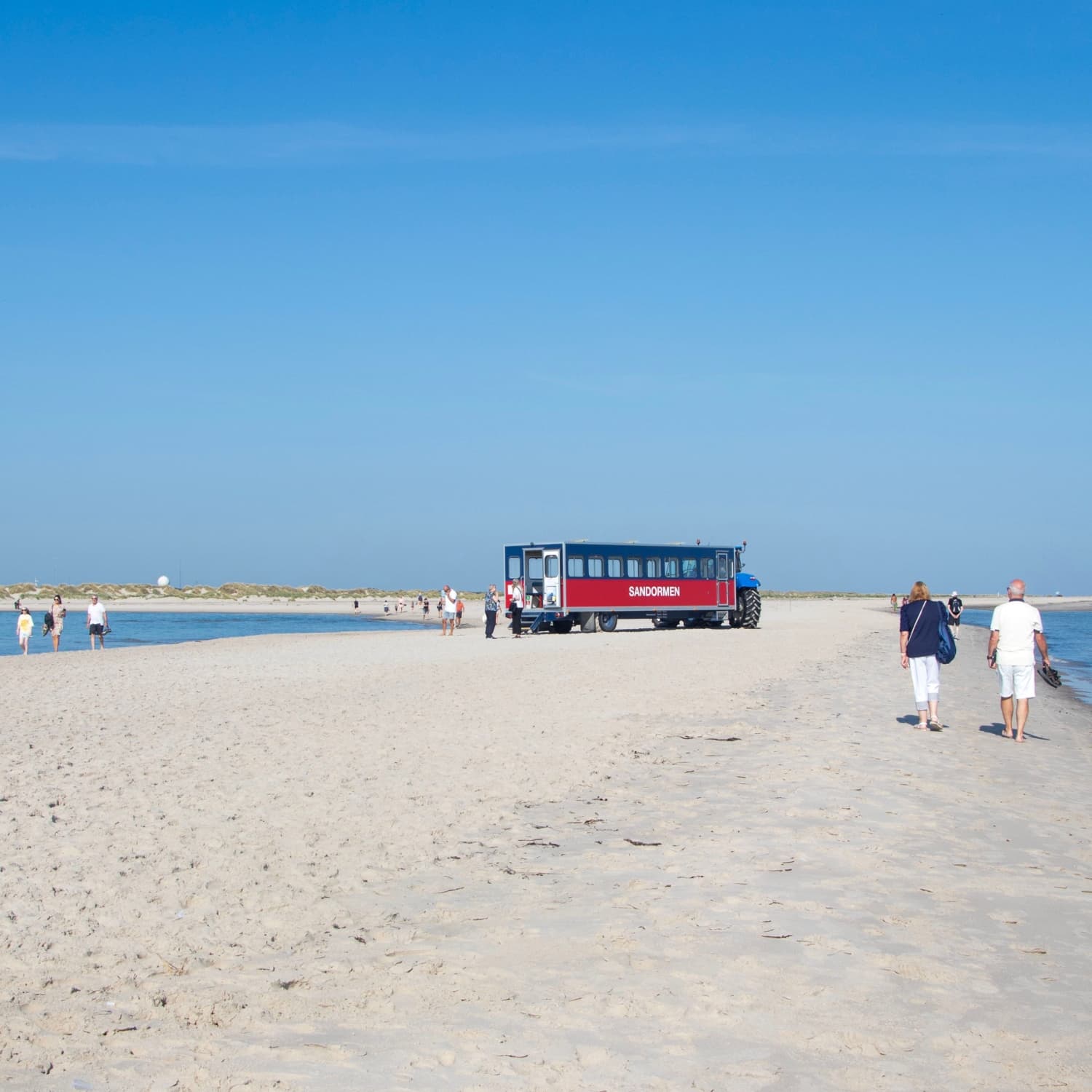
Nature lovers should also consider Wadden Sea National Park, known for seal watching, oyster safaris, tidal walks across the seabed, and the spectacular Black Sun starling murmurations.
Closer to Copenhagen, Dyrehaven offers woodland, open landscapes, and plenty of deer just a short trip from the capital.
Beyond Copenhagen, Denmark is wonderfully diverse.
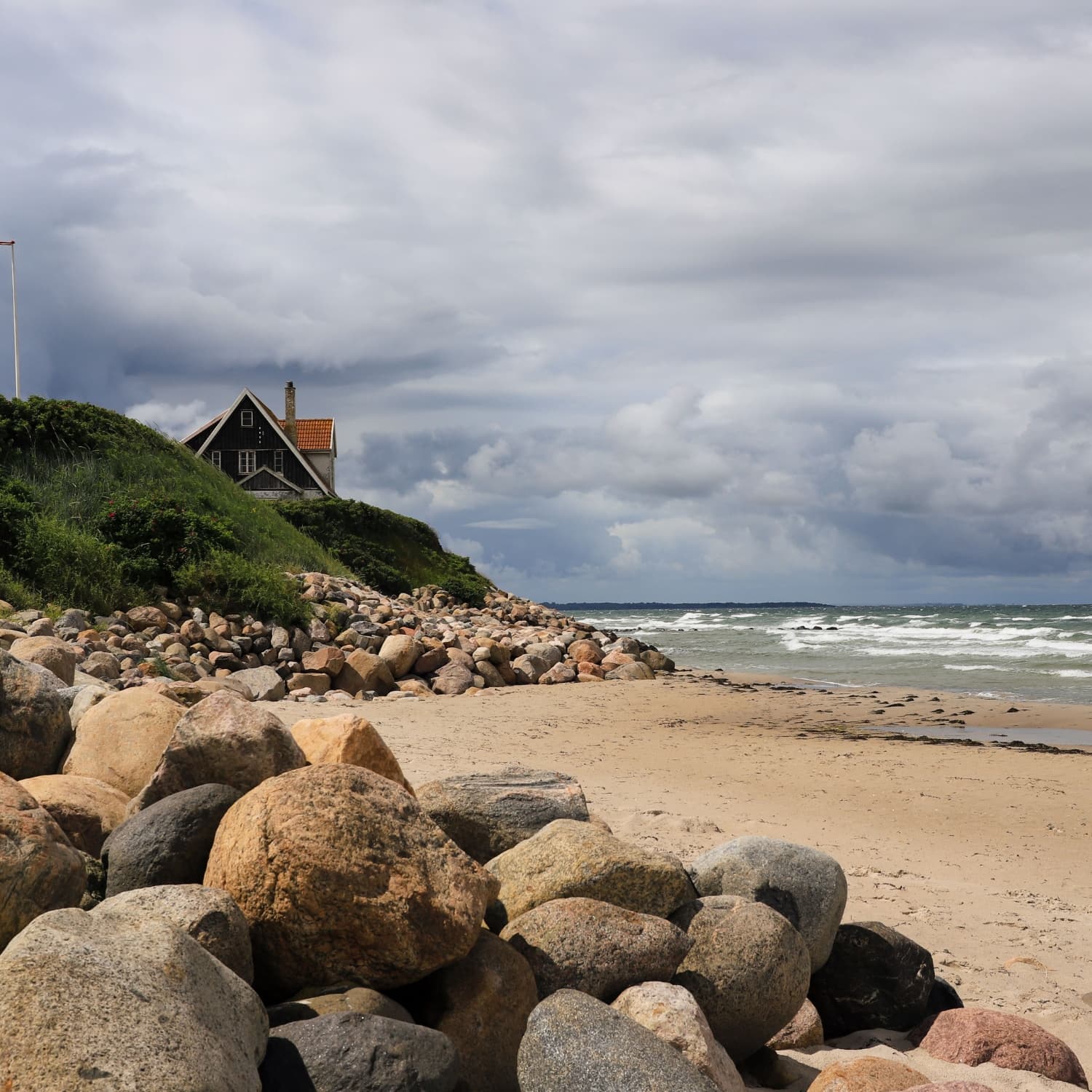
Bornholm sits in the Baltic Sea and is known for medieval round churches, dramatic granite coastline, sandy beaches, cycling routes, fishing villages, kayaking, and climbing.
Ribe, the oldest town in Denmark, preserves centuries of medieval history, while Roskilde pairs its Gothic cathedral with the leading Viking museum in the country.
On Lolland Falster, visitors can enjoy quieter countryside along with the immersive Medieval Centre.
Aarhus, the second largest city in Denmark, has a lively arts scene and excellent cultural sights.
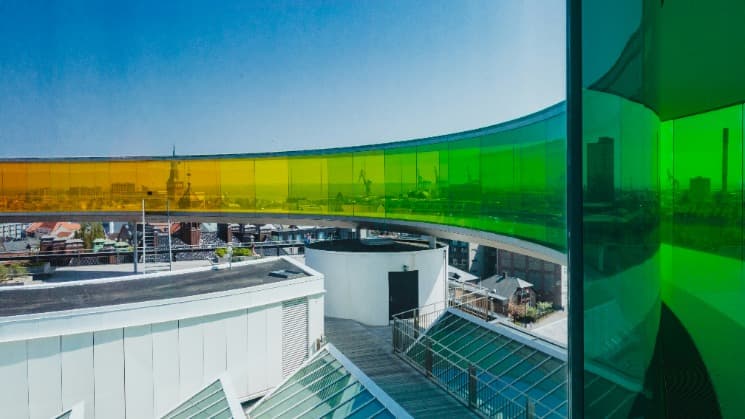
Highlights include ARoS Art Museum, where the rainbow coloured circular panorama gives sweeping views across the city, Den Gamle By, an open air museum with rebuilt historic Danish buildings, and the beautiful Aarhus Cathedral from the 12th century.
Walking tours and private guided trips are great ways to get to know the architecture and history of the city.
Food has become one of the main reasons to visit Denmark.
Traditional smørrebrød, open rye bread sandwiches topped with ingredients such as pickled herring, smoked salmon, or roast beef, is a must try Danish food experience.
Copenhagen is now a global centre for New Nordic cuisine, with everything from Michelin starred restaurants to neighbourhood bistros focused on seasonal local ingredients.
The lively Torvehallerne Market is perfect for tasting Danish cheeses, pastries, seafood, and artisan products. Guided food tours and Nordic cooking classes take you deeper into local culinary traditions.
Make time for historic bakeries, famous cinnamon rolls, and some of the oldest restaurants in the country, where guests have been served for centuries.
Travellers visiting in August can enjoy Copenhagen Cooking & Food Festival, while Copenhagen Dining Week brings special menus to many top restaurants in the city.

Design is part of everyday life in Denmark.
Strøget, the famous shopping street in Copenhagen, is lined with internationally recognised Danish design brands, elegant furniture shops, and iconic porcelain makers.
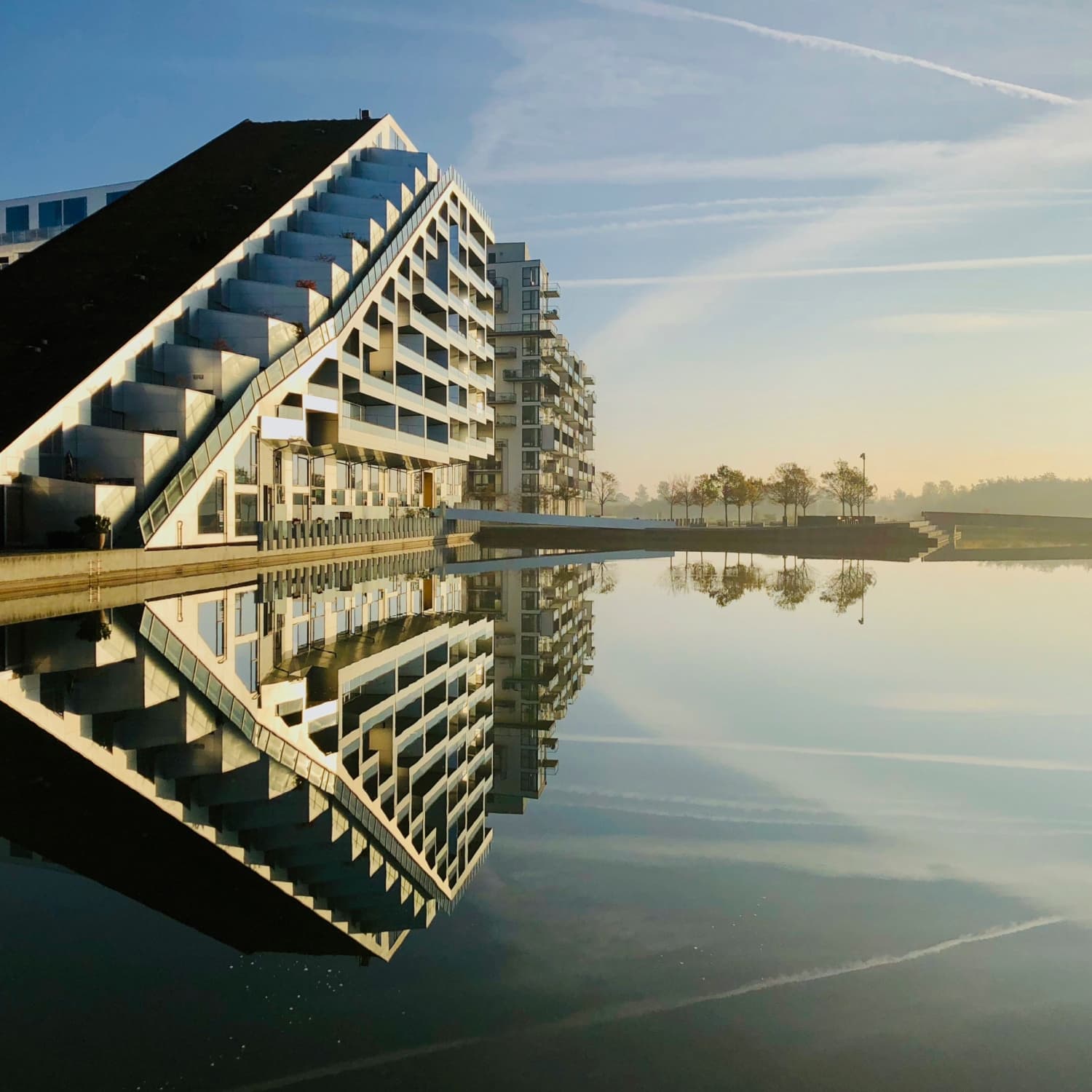
The city also has remarkable architecture, from churches with spiral towers you can climb to striking examples of modern expressionist design.
One of the most unusual architectural sights is CopenHill, where visitors can ski all year on a slope built on top of a working waste to energy power plant.
Denmark has plenty of attractions that feel truly one of a kind.
Adventure lovers can try Bridgewalking across the historic Little Belt Bridge or climb the striking observation tower at Camp Adventure, rising above the forests of South Zealand.
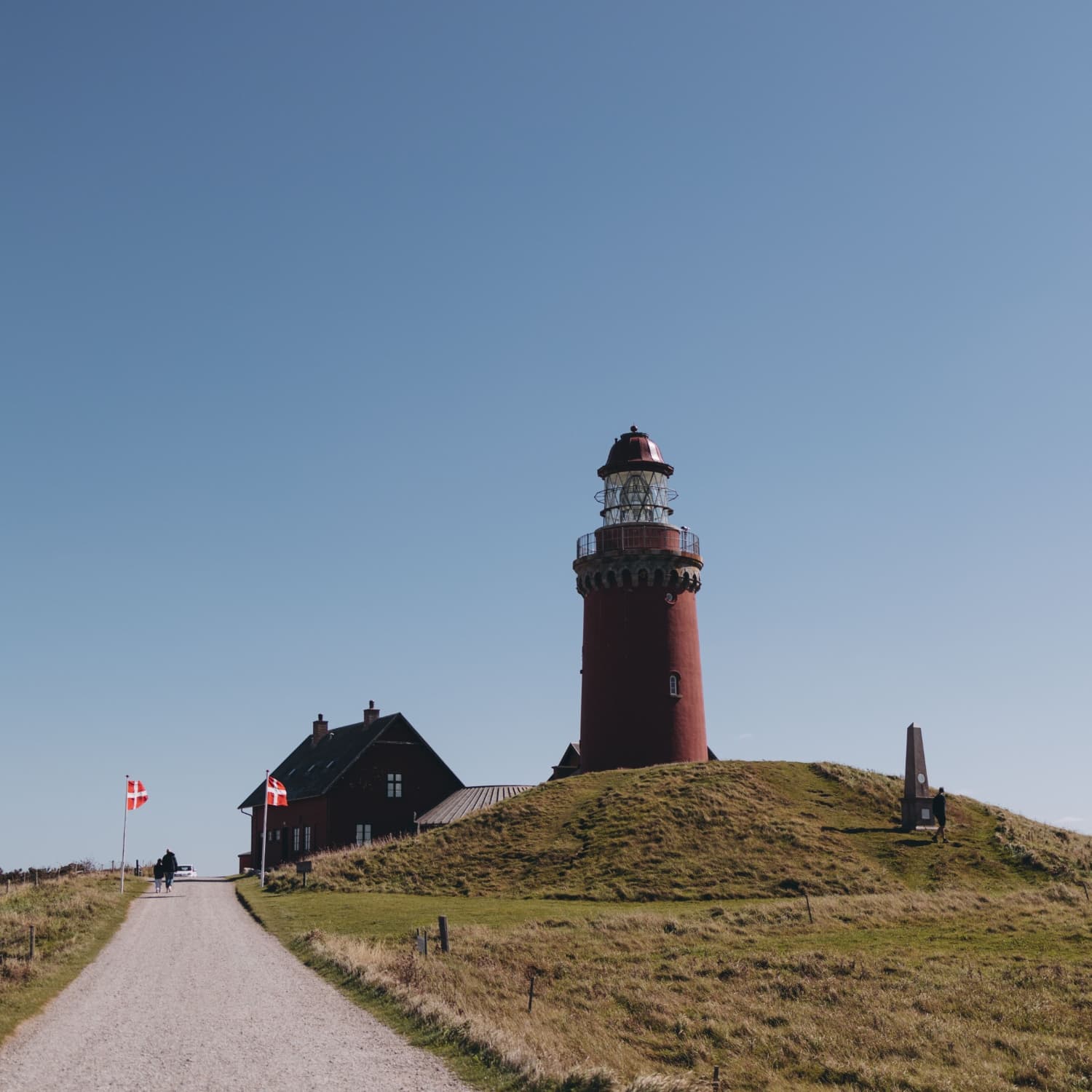
On the North Sea coast, Rubjerg Knude Lighthouse stands dramatically above eroding cliffs after being moved inland to protect it from the advancing sea.
The country also has quirky museums, one of the largest bottled beer collections in the world, bars filled with hundreds of clown figures, mysterious occult collections, and the impressive Øresund Bridge, which links Denmark with Sweden before disappearing into an underwater tunnel.
If you can handle the cold, winter swimming is one of the most cherished traditions in Denmark.
Perhaps the greatest attraction in Denmark is something you cannot photograph.
Hygge is the Danish idea of cosiness, comfort, warmth, and enjoying simple pleasures. You can feel it over coffee in a candlelit cafe, around a meal with friends, on quiet cobbled streets, or beside a fireplace on a winter evening.
This appreciation of everyday happiness helps explain why Denmark is so often ranked among the happiest countries in the world.
The Danish calendar is full of celebrations.
Music lovers can experience the famous Roskilde Festival or the lively Copenhagen Jazz Festival, while spring brings cherry blossom celebrations at the Sakura Festival in Copenhagen.
In winter, cities become festive wonderlands with Christmas markets selling handicrafts, gløgg, seasonal treats, and traditional decorations.
All year round, Denmark also hosts Viking festivals, food festivals, art fairs, and cultural events across the country.
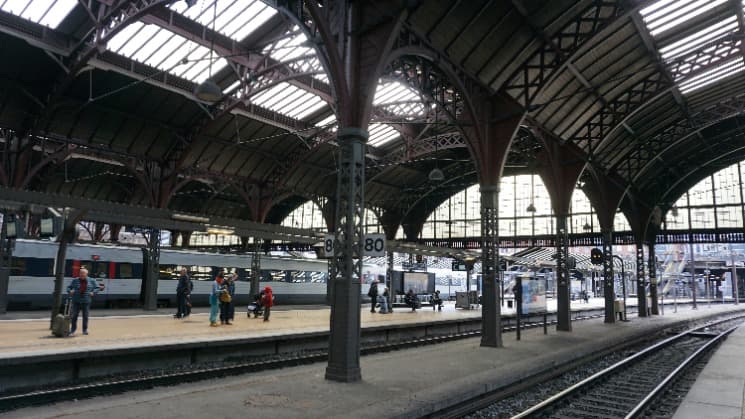
The efficient transport system in Denmark makes travel very easy. Trains connect major cities, while buses and ferries reach smaller towns and islands. Renting a car gives the most freedom for rural areas and coastal routes.
In Copenhagen, public transport uses a simple tap in and tap out fare system, and credit cards are accepted almost everywhere, so cash is rarely needed.
If you plan to visit several sights, consider the Copenhagen City Card, which includes unlimited public transport and entry to many attractions.
Copenhagen can be enjoyed in a few days, but at least five days lets you combine the capital with nearby castles, Viking sites, and scenic countryside. Denmark also makes a great base for wider Scandinavian trips, with convenient rail links to Sweden and beyond.
Each season shows a different side of Denmark.
Summer is the most popular time to visit, with long daylight hours that can reach almost 18 hours and ideal conditions for sightseeing, cycling, and coastal adventures.
Spring and autumn bring fewer crowds, pleasant temperatures, cherry blossoms or colourful forests, and excellent conditions for walking and cycling.
Winter is colder and darker, but it also shows Denmark at its cosiest. Christmas markets, festive lights, warm cafes, and the unmistakable feeling of hygge create an experience many travellers never forget.
Centuries of history sit comfortably alongside modern design, lively cities and wide open landscapes. From the colorful harbor in Copenhagen and easy cycling routes to Viking heritage, chalk cliffs, Danish cuisine and the relaxed feeling of hygge, there is plenty to enjoy at your own pace. Whether you travel for culture, history, nature, family days out or a slower kind of holiday, the rewards are easy to find.
Good mobile data makes travelling around much simpler. It helps with maps in unfamiliar streets, train and ferry times, attraction details, restaurant searches, translation and staying in touch. Instead of relying on expensive roaming or looking for a physical SIM card after arrival, you can set up a BeachSIM eSIM for Denmark before you leave. It is useful while visiting Copenhagen, moving between cities or exploring the countryside and islands, so you can spend less time sorting out connectivity and more time enjoying the trip.
About the author

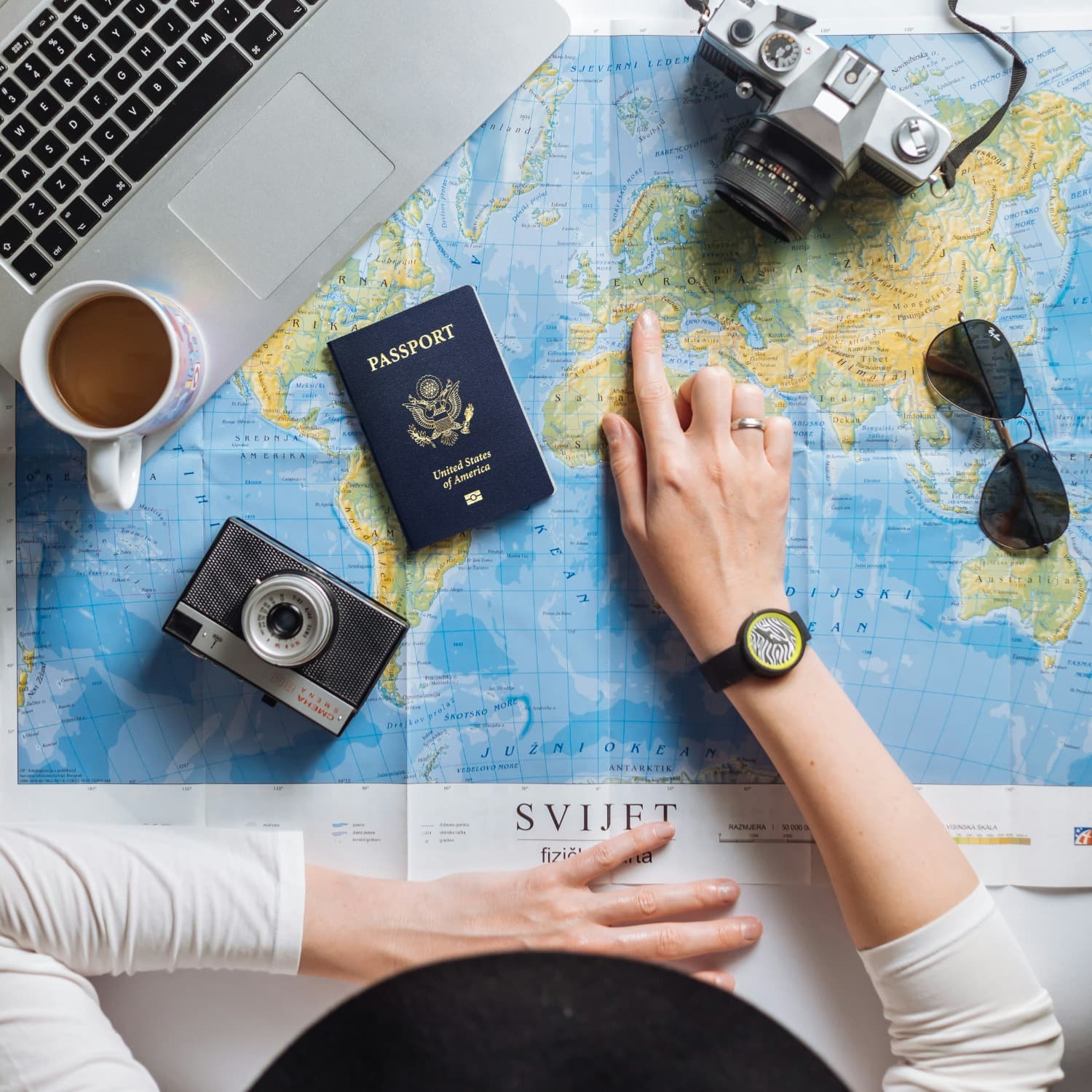
Choosing where to go is part of the excitement, but peace of mind matters just as much once you arrive. This guide looks at the countries that stand out for 2026, using the latest Global Peace Index as the starting point.
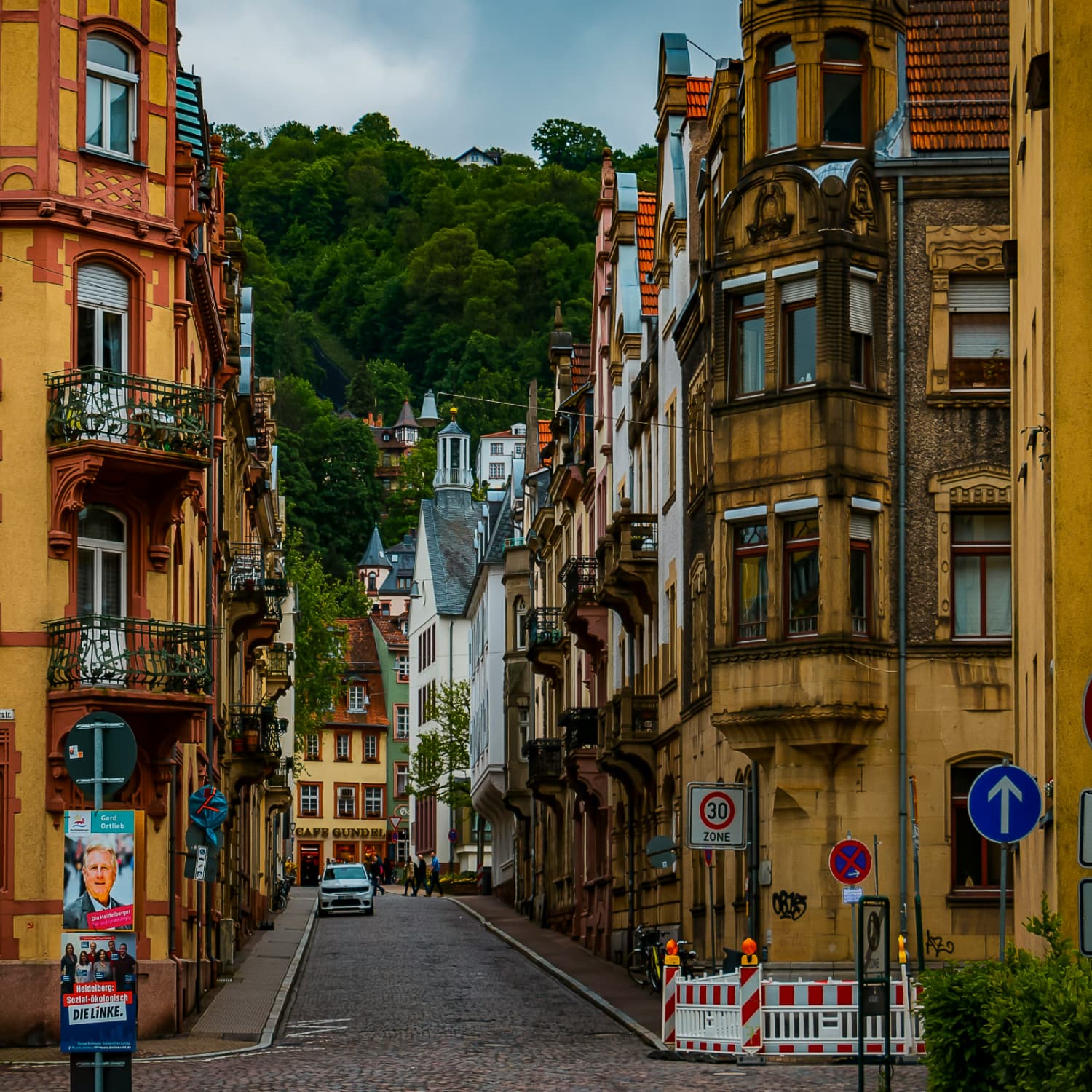
Europe stands out for travelers thanks to its many countries ranked high on the Global Peace Index, a unified emergency number (112) across the continent, and reliable public services. These shared systems and community safety standards make Europe a reassuring destination for visitors.

Heard the term eSIM but not sure what it means? This article answers the basics: what an eSIM is, how it differs from a physical SIM, and why more people are choosing it for travel and everyday use.
