

Loading...
Turkey is packed with places worth exploring, and deciding what to prioritise can be the hardest part of planning. Ancient ruins, lively cities, sweeping coastlines, mountain scenery, and unforgettable food all compete for your time. This guide brings together the best things to do in Turkey so you can shape a trip that feels rich, varied, and genuinely memorable.

Written By Alvirno Jordan

Reviewed by Alvirno Jordan

Updated 16 August 2026
Istanbul is the natural place to begin many journeys through Türkiye, and it deserves more than a quick stop. Few cities reveal Byzantine, Roman and Ottoman history so clearly while also feeling full of modern neighborhood life.
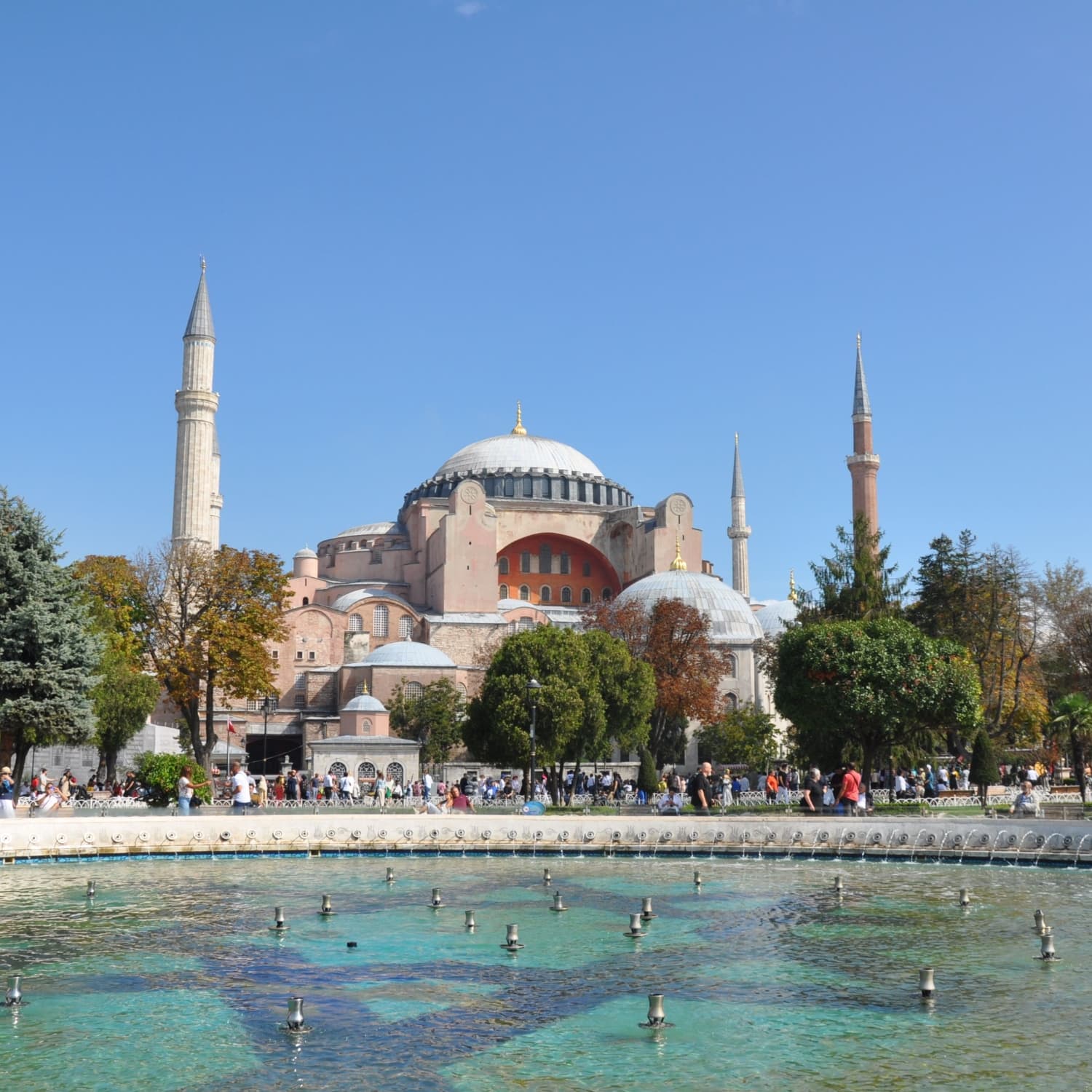
At the center of the old city stands Hagia Sophia, first built as a Byzantine cathedral in 537 AD. Over time it became an Ottoman mosque, later served as a museum, and was converted into a mosque again in 2020. Its layered past and remarkable architecture make it one of the essential sights in Istanbul.
Close by, the Blue Mosque is one of the great symbols of the city. Its location in Sultanahmet puts it within easy reach of many other major sights. The same area is home to Topkapi Palace, the heart of Ottoman imperial power for centuries and still one of the most important historic places in Istanbul.
Beneath the streets, the Basilica Cistern offers a very different kind of atmosphere. This ancient underground water reservoir is filled with rows of columns, creating a space that feels almost unreal. It fits easily into a day spent exploring the main sights of Sultanahmet.
Shopping is another classic Istanbul experience. The Grand Bazaar covers 61 streets and has more than 4,000 shops, making it one of the great covered markets of the world. Carpets, jewelry, ceramics, textiles, spices and souvenirs fill the stalls, and bargaining is part of the visit. The bazaar is closed on Sundays. For something smaller and more focused on food, the Spice Bazaar, also known as the Egyptian Bazaar, is packed with spices, teas, Turkish delight and other edible specialties.
The Süleymaniye Mosque, designed by the celebrated Ottoman architect Sinan, is another major landmark. Its scale, balance and elegant design place it among the most impressive buildings in the city, alongside Hagia Sophia.
Away from the historic center, the neighborhoods of Istanbul show another side of the city. Kadıköy, on the Asian side, is lively and youthful, with colorful streets, independent shops and relatively affordable places to stay. On the European side of the Bosphorus, Ortaköy Mosque sits in one of the most photogenic waterfront spots in Istanbul.
For a first visit, Sultanahmet is probably the easiest base, since Hagia Sophia, the Blue Mosque, Topkapi Palace and several other major sights are close together. Still, Istanbul rewards anyone who goes beyond the obvious route. With so many distinct neighborhoods and layers of history, five days or more gives a much richer sense of the city than a short stopover.
Travelers drawn to unusual places can also explore Istanbul beyond the standard sightseeing circuit. Atlas Obscura lists dozens of eccentric and little visited spots, from Viking runic inscriptions and miniature bird mansions to curious monuments linked with local stories and traditions.
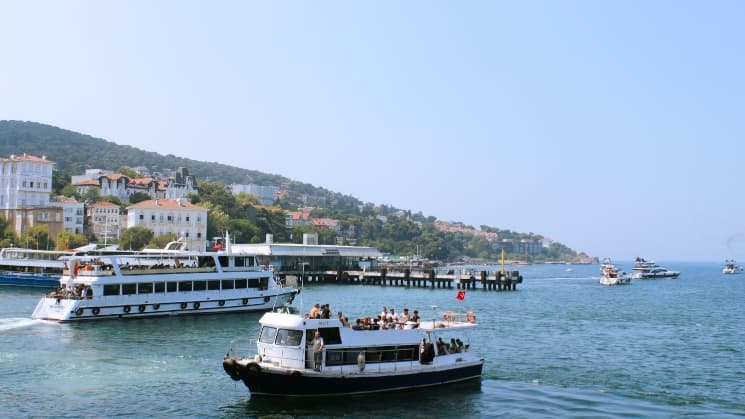
The Bosphorus is central to the identity of Istanbul. The city sits across the waterway that separates Europe and Asia, giving it one of the most distinctive urban settings in the world.
One of the easiest ways to feel that geography is to take a public ferry on the Bosphorus. It is affordable, practical and scenic, carrying passengers between two continents with views of palaces, mosques, waterfront neighborhoods and bridges. With many ferry routes running across the city, the boat can feel just as much like daily Istanbul life as sightseeing.
For a more focused sightseeing trip, a Bosphorus cruise gives wide views of landmarks such as Dolmabahçe Palace, Ortaköy Mosque and Rumeli Fortress. The bridges between the European and Asian sides add to the skyline, and sunset cruises are especially memorable as the landmarks darken against the changing colors of the sky.
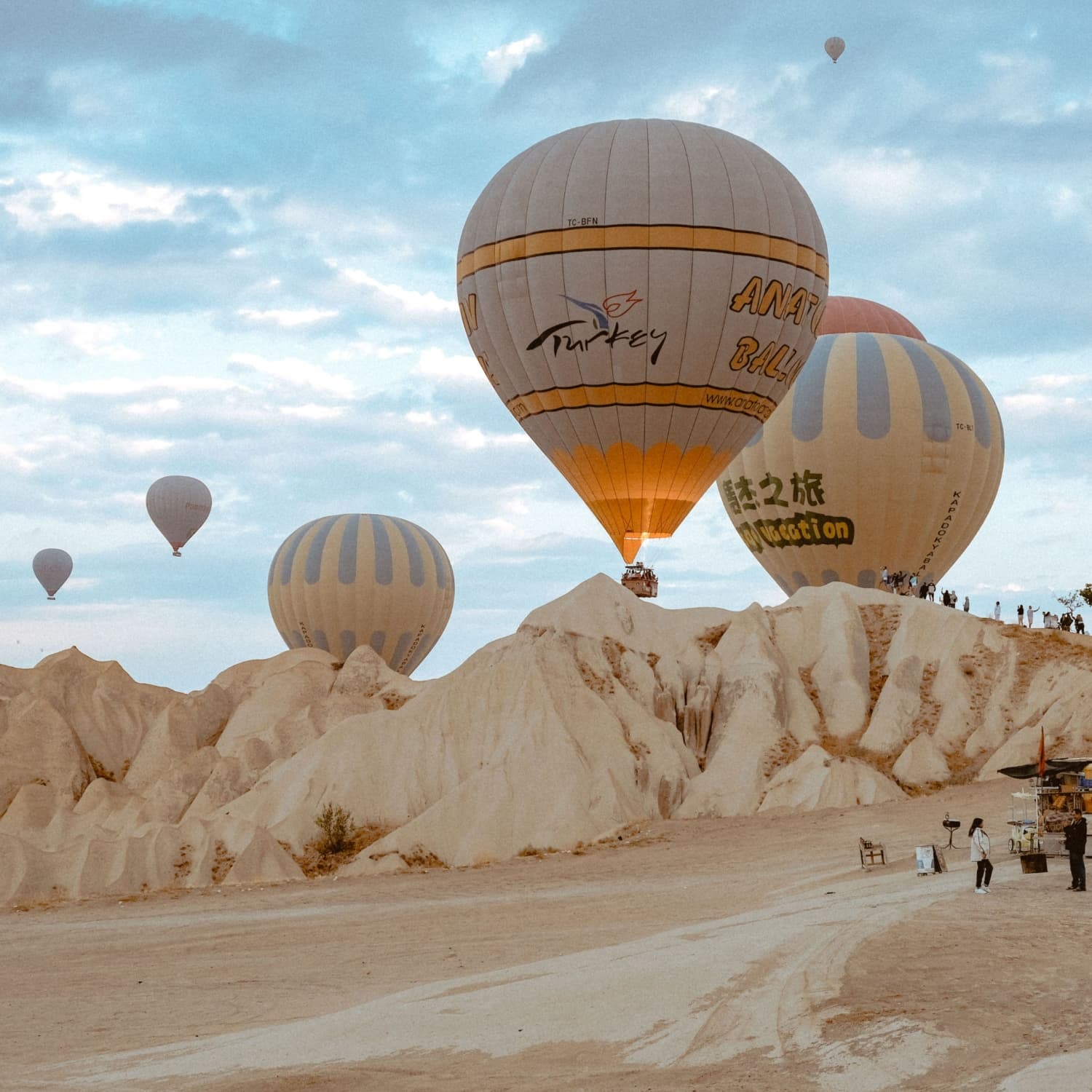
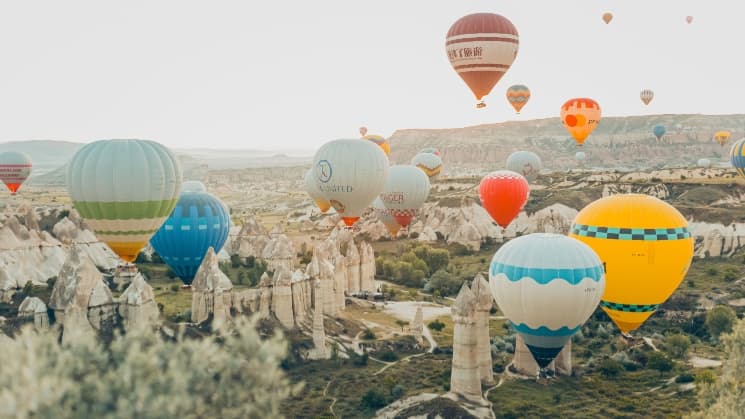
Cappadocia is one of the most extraordinary landscapes in Türkiye and one of the places that many travelers remember most. Its volcanic terrain has been shaped into a strange and beautiful world of fairy chimneys, valleys, cave homes, churches carved into the rock and underground cities.
The signature experience is a sunrise hot air balloon flight. Floating above the fairy chimneys and canyon scenery while hundreds of balloons lift into the sky is often seen as one of the ultimate experiences in Türkiye. Even travelers who stay on the ground can wake before dawn and watch the colorful balloons rise.
Cappadocia is also excellent for hiking and exploring. Göreme National Park and Pigeon Valley offer walks through valleys filled with unusual rock formations, old cave dwellings and historic churches. The landscape feels especially atmospheric around sunset.
Underground, Cappadocia becomes even more remarkable. Cities such as Derinkuyu and Kaymaklı descend several levels beneath the surface, with complex networks of rooms and passages. These underground settlements included stables, kitchens, chapels, storage spaces and other facilities, allowing communities to shelter below ground for long periods. Some were large enough for thousands of people and were protected by huge stone doors.
The mix of volcanic landscapes, cave architecture and underground settlements makes Cappadocia unique. Plan at least two full days to experience the region properly, although three or four days makes the visit feel much more relaxed.
Türkiye is exceptionally rich in archaeological heritage. Ancient Greek, Roman, Byzantine, Persian and other civilizations all left traces across the country.
One of the most impressive sites is Ephesus, among the best preserved ancient Greek and Roman cities in the world. Visitors can walk along marble streets past the striking Library of Celsus, a vast theater and temples dedicated to Roman emperors and gods. Nearby, the Temple of Artemis was once one of the Seven Wonders of the Ancient World. Although only fragments remain, it adds another layer of meaning to a visit to Ephesus.
Pamukkale combines natural beauty with ancient history. Its brilliant white travertine terraces run down the hillside, formed by warm mineral water. Right beside them lies Hierapolis, an ancient Roman and Byzantine spa city. Its impressive theater, monumental ruins and ancient thermal pool make the area much more than a stop at the famous white terraces.
Farther east, Mount Nemrut offers one of the most dramatic archaeological experiences in Türkiye. Huge stone heads representing ancient deities surround the summit of a royal monument from the first century BCE. The remote setting and spectacular sunrise or sunset views make the site especially memorable.
History and myth meet at Troy, the legendary city linked with the Trojan War. The archaeological site contains remains from thousands of years of settlement, while a replica Trojan Horse gives visitors an instantly recognizable symbol of the ancient story.
For travelers interested in modern military history, Gallipoli is especially important. Its preserved trenches, battlefields and ANZAC memorials are deeply significant for Australians and New Zealanders, and they offer a moving insight into the First World War.
In southeastern Türkiye, Göbekli Tepe belongs to a completely different chapter of human history. Built by hunter gatherers thousands of years before written history, it is considered one of the most important archaeological discoveries ever made and has challenged old ideas about the rise of organized religion and complex societies.
Historic sights in Türkiye are not limited to isolated ruins. In Ankara, the Roman Temple of Augustus preserves an inscription recording the emperor's account of his own achievements. Along the Lycian coast, travelers can see dramatic tombs carved into the rock, while the waters around Kekova contain submerged ancient remains that snorkelers and divers can explore.
In Antalya, Kaleiçi, the historic old town, blends Roman foundations with later Ottoman architecture. Its cobbled lanes, restored buildings, boutique hotels, restaurants, ancient ruins and old harbor make it an ideal place to feel the history of the city while staying close to the sea.
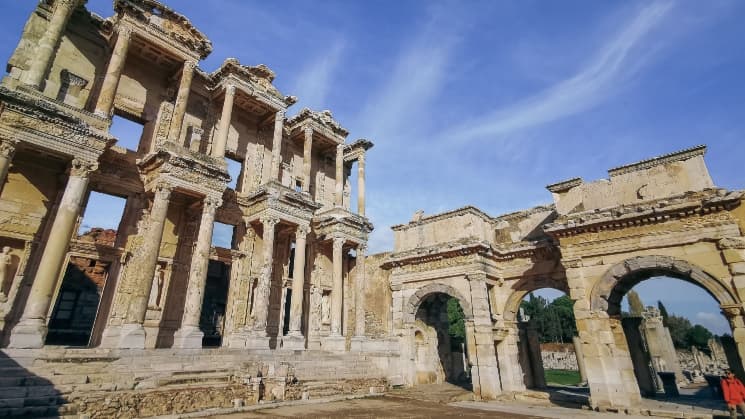
The coastline of Türkiye offers a vivid contrast to its ancient cities and archaeological sites. The Mediterranean and Aegean regions bring together beaches, mountains, clear water, quiet coves and a wide choice of outdoor activities.
Near Fethiye, Ölüdeniz is one of the most famous coastal destinations in the country. Its Blue Lagoon, with clear turquoise water and a beautiful sandy shore, has become one of the defining beach images of Türkiye. The surrounding area also has restaurants, nightlife, boat trips and easy access to paragliding.
For adventure travelers, paragliding from Babadağ is one of the standout experiences in the country. Tandem flights launch from the mountain high above Ölüdeniz, with spectacular views over the lagoon and the surrounding coast.
The Turquoise Coast, including places such as Kaş, Ölüdeniz and Kekova, is ideal for travelers who want swimming, boating, diving and history in one trip. The clear waters around Kaş are especially good for scuba diving, while boat trips reveal quiet beaches and ancient ruins.
One of the best ways to experience the southwest coast is on a gulet cruise over several days. These traditional wooden boats travel slowly between Bodrum and Antalya, stopping at peaceful coves where passengers can swim, eat fresh fish and visit ancient ruins. The slow pace makes a gulet journey very different from a standard resort holiday.
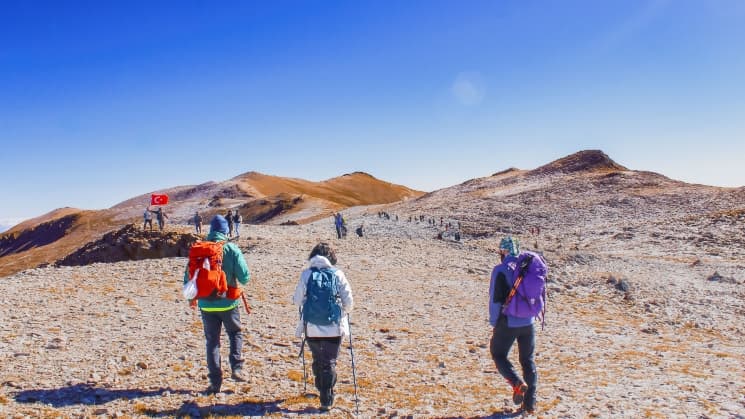
For hikers, the Lycian Way is one of the great outdoor adventures in Türkiye. The trail runs for about 540 kilometers along the coast between the Fethiye and Antalya regions, combining dramatic cliffs, hidden beaches, mountain scenery and ancient ruins. Spring and autumn are usually the best seasons for long distance walking.
The Kaçkar Mountains in northeastern Türkiye offer a more demanding alpine experience, with high mountain lakes, snowfields and dramatic scenery. The region is best explored in the warmer months, especially from June to September.
Other coastal highlights include Bodrum, where whitewashed houses and bougainvillea surround a lively marina overlooked by the historic Castle of St. Peter. Patara is a quieter alternative, with a vast golden beach, extensive ancient ruins and one of the most impressive archaeological settings in the region.
Near Antalya, Konyaaltı Beach gives easy access to the sea, the promenade and city facilities. The Düden Waterfalls are another memorable natural sight, especially where the water drops dramatically toward the Mediterranean.
For a truly unusual natural experience, Chimaera, near Olympos, is known for flames that emerge naturally from cracks in the mountainside. The phenomenon is linked with natural methane emissions and has been burning for centuries. Its location near ancient ruins and the coast makes it a particularly unusual stop.
Outdoor experiences in Türkiye are not limited to warm weather. Bursa offers skiing in winter, showing how the country can work as a destination for active travelers throughout the year. Those with more time can also rent a car and take a longer road trip along the Mediterranean coast, stopping at beaches, ruins, villages and scenic viewpoints along the way.
Beyond monuments and landscapes, Türkiye is best understood through its traditions, food and everyday culture.
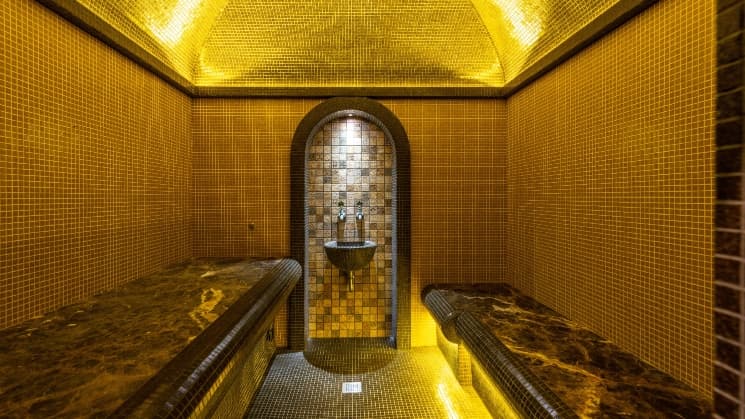
A traditional Turkish hammam is one of the classic cultural experiences in the country. Visitors usually lie on heated marble before a strong body scrub and a rich foam massage. Historic hammams in Istanbul, including Hürrem Sultan and Kılıç Ali Paşa, offer especially atmospheric settings, while Bursa is famous for hammams supplied by natural thermal springs.
Food is another essential part of the trip. Along the Aegean and Mediterranean coasts, the rakı balık tradition brings together grilled fish, meze and rakı in a long, social meal. The point is not to eat quickly, but to spend time around the table with friends and family.
The cuisine of Türkiye changes greatly from region to region. Black Sea cooking, the spice rich specialties of Gaziantep, the distinctive food of Antakya, regional Kurdish dishes and the culinary traditions of Konya all show how much variety exists. Travelers should avoid treating Turkish food as one single cuisine and look for local specialties wherever they go.
Bazaar culture also goes far beyond Istanbul. Markets in cities such as Gaziantep and Antalya are good places to browse and bargain for carpets, spices, ceramics, jewelry and handmade goods. For travelers interested in food, Atlas Obscura also highlights unusual culinary experiences, from slow roasted whole lamb to regional ice cream and historic places to eat.
In Antalya, the Tünektepe Teleferik cable car offers broad views over the city and coastline. Walking tours through Kaleiçi are also an easy way to understand the layered history of the city while exploring cobbled lanes, old buildings and harbor viewpoints.
Konya offers one of the most distinctive spiritual experiences in Türkiye. As the historic home of the Mevlevi Sufi tradition, it is closely linked with the whirling dervishes and gives travelers a cultural perspective very different from the coastal resorts and major tourist cities.
Türkiye has a huge range of unusual sights for travelers willing to look beyond the famous landmarks. Atlas Obscura alone lists more than a hundred curious places across the country, from obscure ruins and quirky museums to strange natural phenomena and hidden gems shaped by local communities.
Istanbul has some of the most fascinating examples. A fictional museum from a Nobel Prize winning novel was later created in the real world by the author, forming an unusual link between literature and reality. Elsewhere, a former power station has become an industrial archaeology museum, preserving a less noticed chapter of the development of Istanbul.
Türkiye also has unusual industrial and historical attractions, including a train graveyard with a large collection of steam locomotives. In Ankara, a former prison has been turned into a history museum, offering an unconventional view of the past of the capital.
Cappadocia is especially rich in unusual architecture. Its underground cities show how entire communities adapted to the volcanic landscape, creating settlements below the surface that could protect thousands of people. In other places, naturally defended settlements carved into cliff faces show how the same rock formations were used for both shelter and protection.
For families visiting Antalya, Land of Legends Theme Park offers a completely different experience, combining roller coasters, live entertainment and animal attractions with the more traditional historic and natural sights of the region.
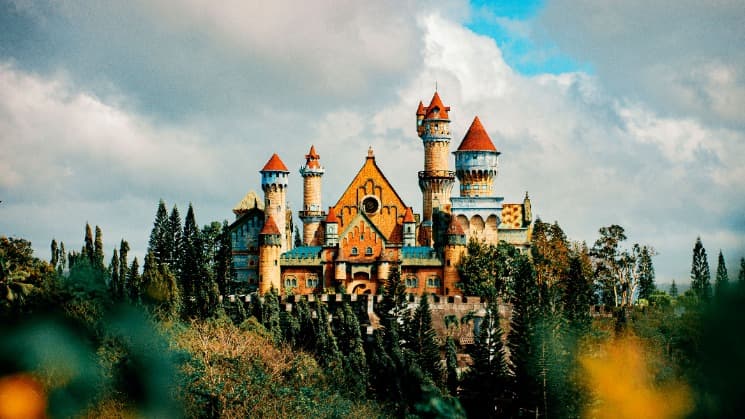
The biggest strength of Türkiye as a destination is its sheer variety. One country can offer Byzantine churches, Ottoman palaces, Roman cities, prehistoric archaeological sites, volcanic valleys, alpine mountains, turquoise beaches, ancient battlefields and vibrant modern cities.
Travelers who want to see the main highlights can join an organized tour over several days that includes Istanbul, Cappadocia, Ephesus and Pamukkale. These trips can make logistics easier by combining domestic flights, accommodation, guided visits, entry fees and meals. Independent travelers still have plenty of freedom to build their own route.
A two week trip gives a reasonable introduction to several major regions, especially if it combines Istanbul, Cappadocia, the Izmir and Ephesus area, and part of the Mediterranean coast. Travelers with more time should think about going beyond the standard route, as some of the most rewarding experiences in Türkiye are found in less visited regions and cities.
Season matters too. September can be an excellent month for the Mediterranean coast, with warm weather and fewer of the intense crowds of peak summer. For travelers watching their budget, accommodation in Istanbul can become much cheaper between November and March, especially for stays from Sunday to Thursday outside major holiday periods.
Türkiye also has useful geographic and travel advantages for some international visitors. Since it is outside the Schengen Area, it can sometimes fit well into European travel plans for people managing Schengen visa limits. Travelers should always check the latest entry and visa rules for their nationality before planning a trip.
Istanbul is generally more expensive than many coastal and rural parts of Türkiye, especially for accommodation and dining. Costs can drop noticeably once travelers move beyond the largest tourist centers.
In the end, Türkiye is best experienced as more than a list of famous sights. The major landmarks are absolutely worth visiting, but the real appeal comes from the way history, landscapes, food and local life overlap. A journey might begin beneath the domes and minarets of Istanbul, continue through the surreal valleys of Cappadocia, pass through the ruins of ancient civilizations, cross turquoise seas and end with a long meal beside the Mediterranean.
That extraordinary range is what makes Türkiye such a rewarding destination. It is not just a country to see, but a country to explore, experience and return to.
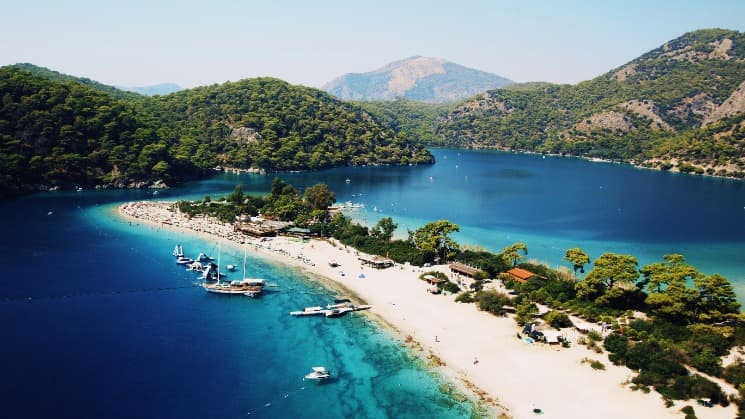
Turkey stands out because of its remarkable variety. In one country, you can find Byzantine churches, Ottoman palaces, Roman cities, prehistoric archaeological sites, volcanic valleys, alpine mountains, turquoise beaches, ancient battlefields, and modern urban life. Türkiye is best experienced as more than a checklist of famous sights. Its appeal comes from the way history, landscapes, food, and daily life come together. A journey might begin among the domes and minarets of Istanbul, continue through the valleys of Cappadocia, pass ancient ruins and bright blue seas, and end with long Mediterranean meals that stay with you long after the trip.
Mobile connectivity makes travelling through Turkey much easier, whether you are navigating unfamiliar streets, checking ferry and flight times, translating Turkish, finding restaurants and attractions, booking transport, staying in touch, or looking up travel details on the go. Instead of searching for a physical SIM card after landing, travellers can arrange an eSIM before departure. A BeachSIM eSIM for Türkiye can offer convenient connectivity before and during the trip, whether you are exploring Istanbul, hiking through Cappadocia, driving along the coast, or visiting lesser known regions. Setting up connectivity in advance helps you spend more time discovering the country and less time worrying about getting online.
About the Author

Choosing where to go is part of the excitement, but peace of mind matters just as much once you arrive. This guide looks at the countries that stand out for 2026, using the latest Global Peace Index as the starting point.
Japan suits solo travellers because the basics work: clear rail links, late trains, counter seats and quiet business hotels. Once you trust the timetable, crossing the country alone feels far less ambitious.

Heard the term eSIM but not sure what it means? This article answers the basics: what an eSIM is, how it differs from a physical SIM, and why more people are choosing it for travel and everyday use.
