

Loading...
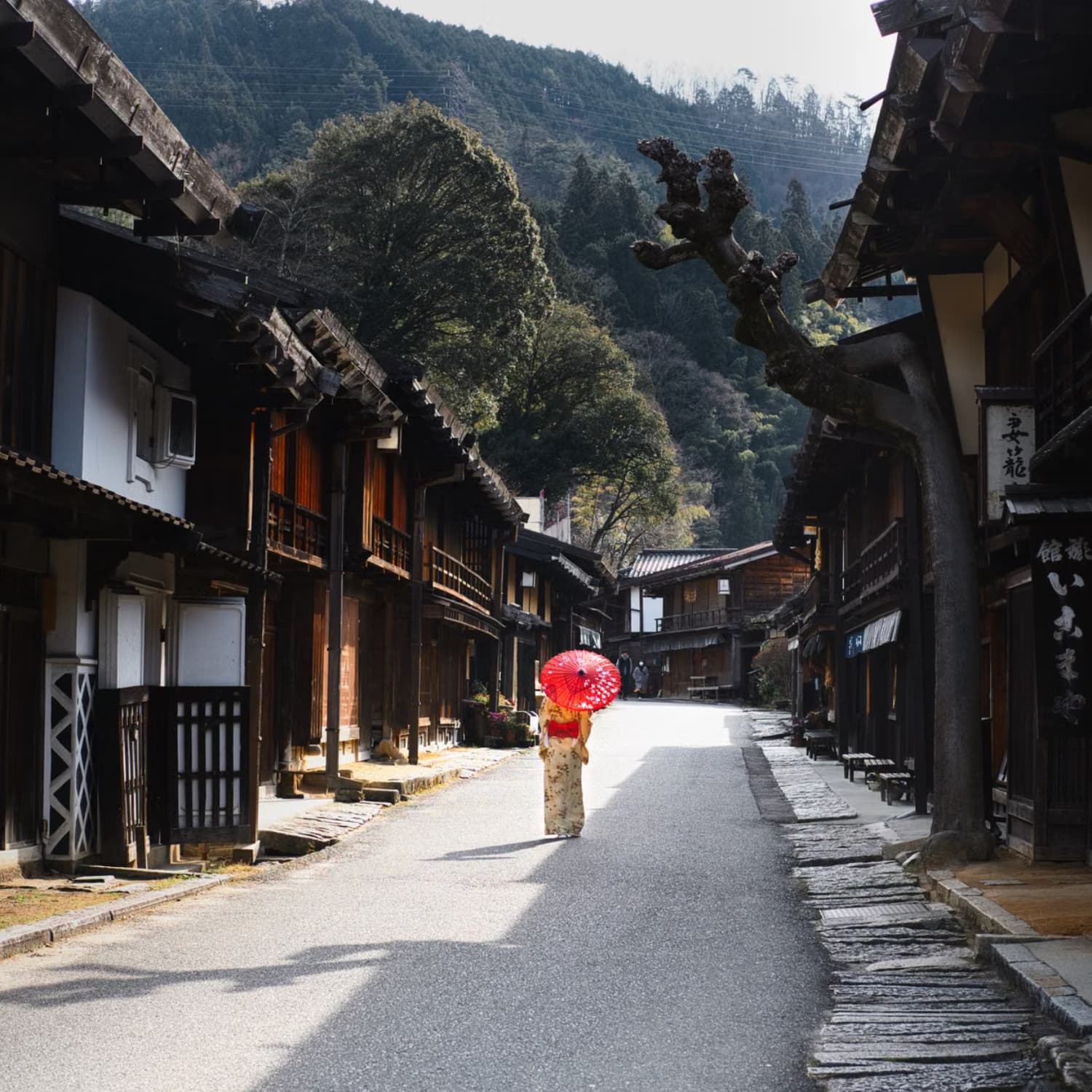
Japan is famous for lost wallets finding their way back, and that says a lot about everyday safety there. Violent crime is extremely rare, public transport feels calm, and solo travellers, including women, often find Japan reassuringly easy to explore.

Written by Kimara Greyling

Reviewed by Kimara Greyling

Updated 27 August 2026
Japan is safe for most tourists, including first time visitors. The latest Global Peace Index places Japan 12th worldwide, and current advice from the UK FCDO, US State Department and DFAT treats travel as low risk or normal precautions. The main things to plan for are not violent crime. They are earthquakes, typhoons, tsunamis, volcanic activity, summer heat and strict local laws. Petty theft can happen in packed stations, festivals and nightlife areas, but it is relatively uncommon. Traffic is orderly, though drivers, cyclists and pedestrians still need care. Keep emergency numbers saved, watch weather alerts and use normal city awareness.
Japan has a low crime profile compared with many major tourist destinations, according to police data and international safety indexes. That does not mean no risk. For visitors, problems usually fall into two groups. One is something being taken in a crowd or nightlife setting. The other is being talked into paying far more than expected.
| Safety profile | Main risks | Practical tip | |
|---|---|---|---|
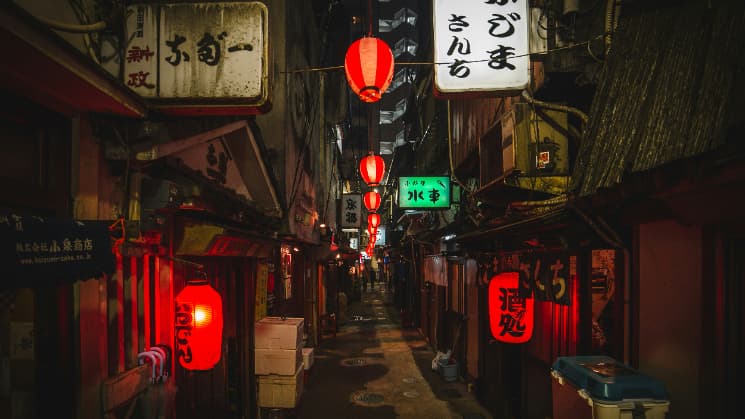
| Tokyo | Very safe overall, with excellent public transport and low violent crime. | Roppongi nightlife, packed trains and earthquake exposure are the main concerns. | Avoid touts and give yourself extra time at Shinjuku. |
| Osaka | Safe and lively, with most tourist issues centred on nightlife and crowds. | Namba nightlife, host club overcharging and dense crowds around busy stations. | Check prices before entering bars in Namba. |
| Kyoto | Very safe, but visitor pressure can make famous areas feel intense. | Peak season crowds, cycling hazards and summer heat are the main issues. | Visit major temples early and watch for cyclists. |
| Hokkaido | Safe and spacious, but weather and rural conditions matter more than crime. | Winter driving, bears in rural areas, earthquakes and tsunami exposure. | Do not underestimate winter roads outside cities. |
| Okinawa | Relaxed and safe, with weather and sea conditions the bigger concern. | Typhoons, habu jellyfish, strong currents and intense UV are the key risks. | Check marine warnings before swimming or snorkelling. |
| Mount Fuji and Japanese Alps | Mountain areas are safe when conditions, fitness and planning are taken seriously. | Altitude, poor preparation, sudden weather and crowding on Mount Fuji trails. | Carry proper layers and check trail conditions first. |
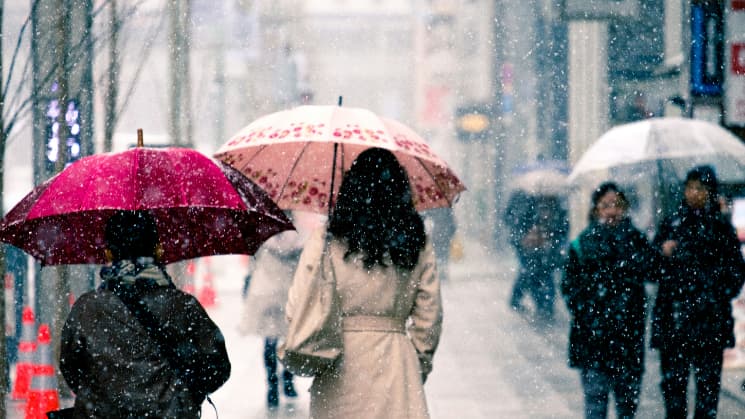
Travel insurance is strongly recommended for Japan, as healthcare can be costly without cover and typhoons or earthquakes can disrupt plans. Make sure your policy includes these areas.
Japan has strict drug laws. Even small amounts of cannabis can mean prison or deportation, and some cold remedies and ADHD medicines are controlled.
Check signs at shrines and temples. Photographing people without consent is frowned upon, and sacred, private, military or government sites may ban photos.
Eating while walking can be seen as rude, with extra restrictions in parts of Kyoto. Loud train calls and disruptive drunkenness are not welcome.
Many onsens still refuse visible tattoos, though some tourist friendly places are easing rules. Check ahead or book a private kashikiri-buro.
Drones need registration and permits for most urban flights, near airports and over crowds. Check the Civil Aviation Bureau for current rules.
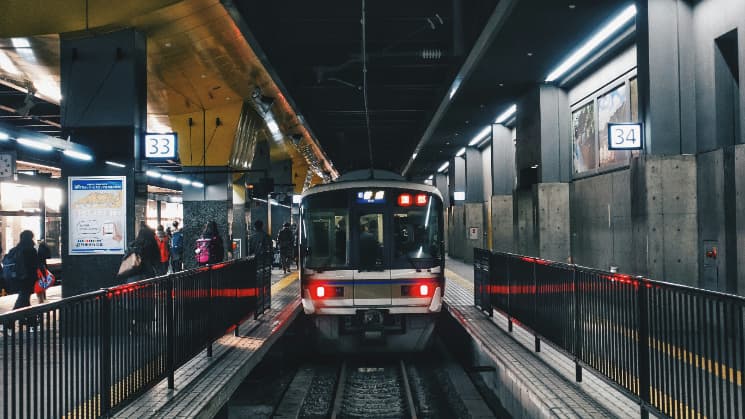
Japan is widely considered one of the safest countries in the world for solo travel, including for women. The main concerns are specific rather than general. Chikan, or groping on crowded trains, is a documented and acknowledged issue in Japan, especially on packed commuter trains in Tokyo and Osaka during rush hour. Many urban lines have women only carriages, usually in the morning peak, marked with signs on the platform and carriage. Using them is normal. If anything happens, tell station staff or press the train emergency button.
Japan is not involved in active armed conflict. It sits near regional tensions, including North Korea missile tests, the Taiwan Strait and the South China Sea, but these rarely affect day to day tourist travel. Follow official alerts if missile warnings appear. Domestically, Japan has stable democratic government, low protest activity compared with many democracies and extremely rare political violence.
About the author
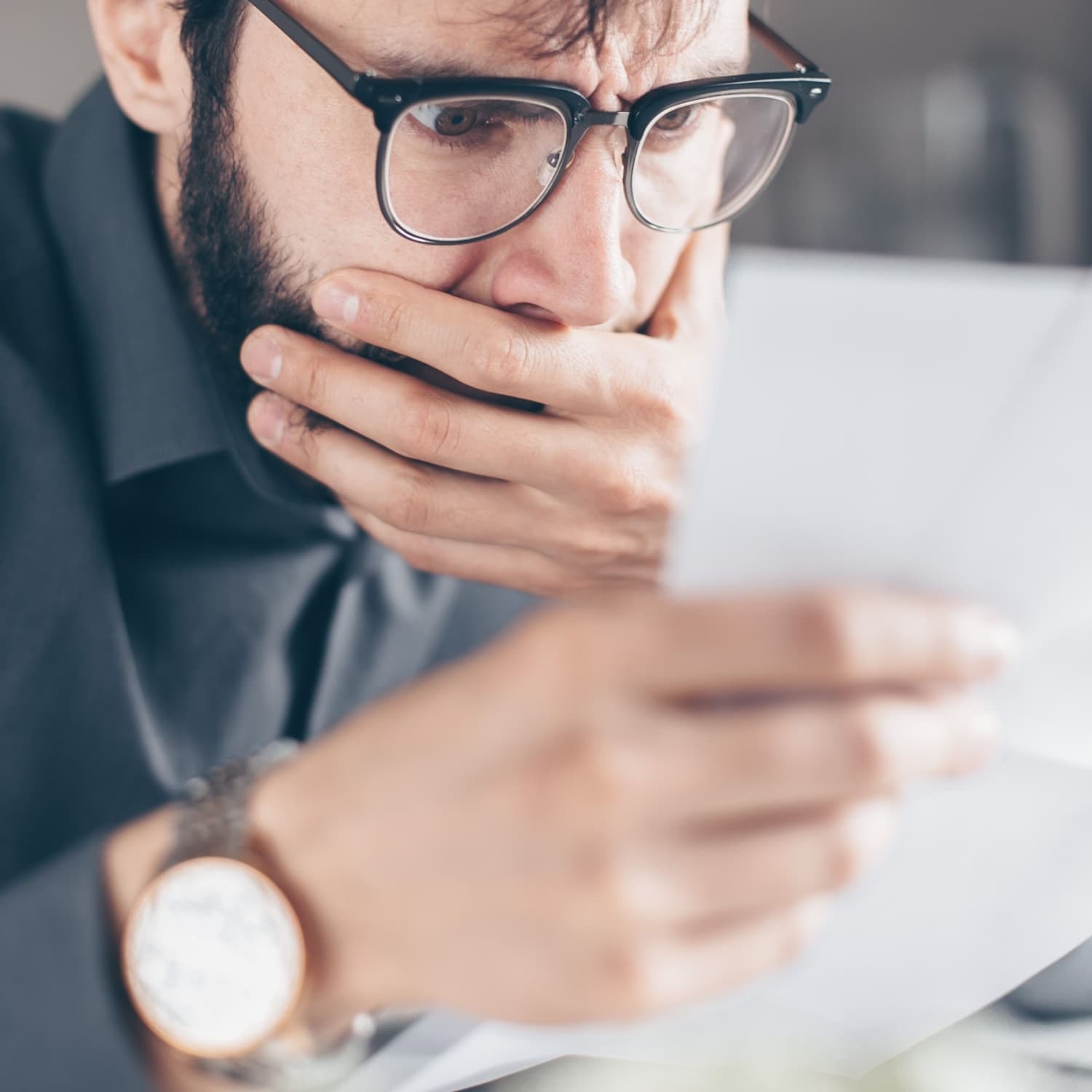
Few things are more frustrating than returning from holiday to a huge roaming bill. This guide breaks down what data roaming is and explores affordable alternatives for travellers.
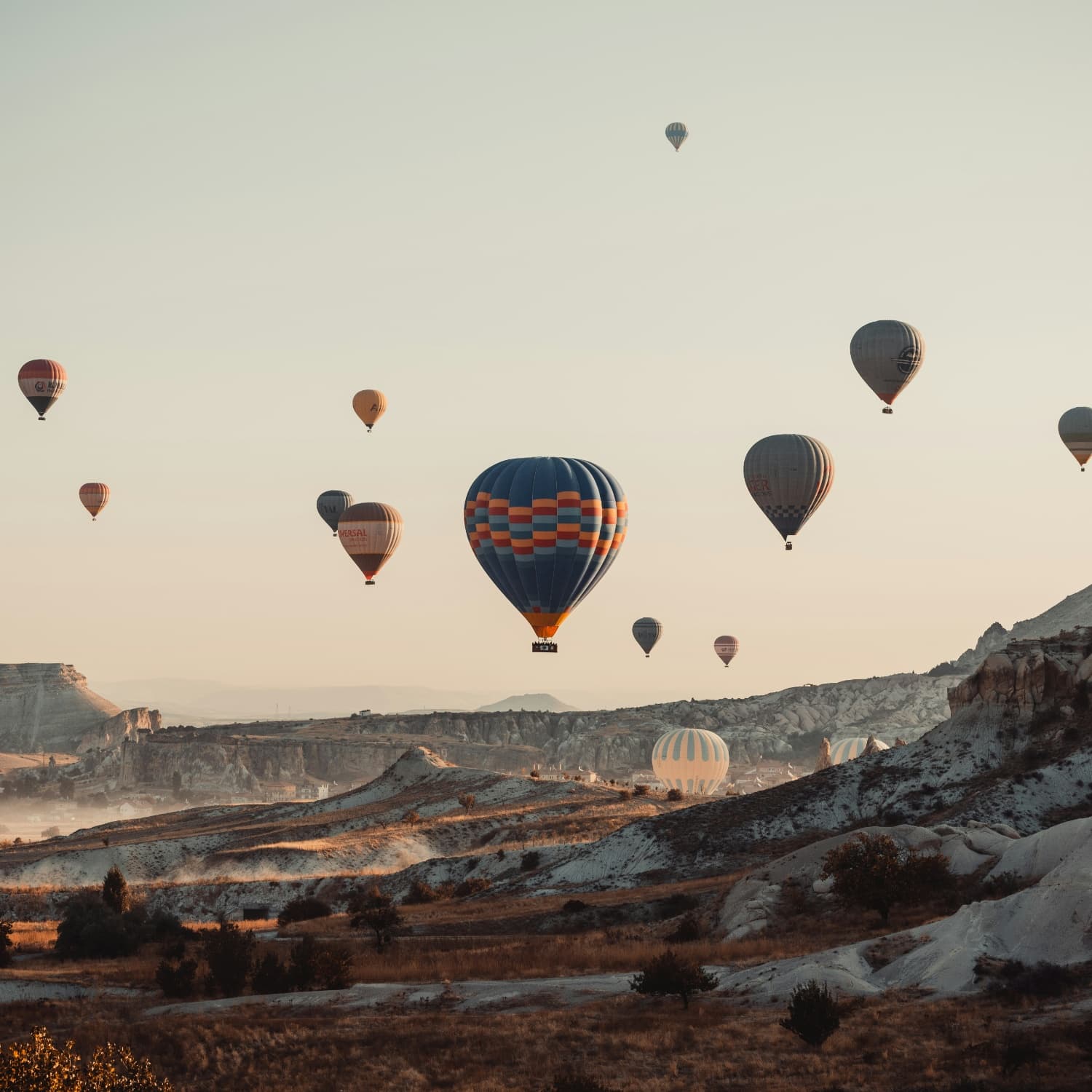
Istanbul, Cappadocia, and Turkey's Aegean and Mediterranean coasts attract millions of visitors each year with reliable tourist infrastructure and a welcoming atmosphere. These popular destinations are far from the border regions flagged by travel advisories, making them generally safe to explore for most travelers.
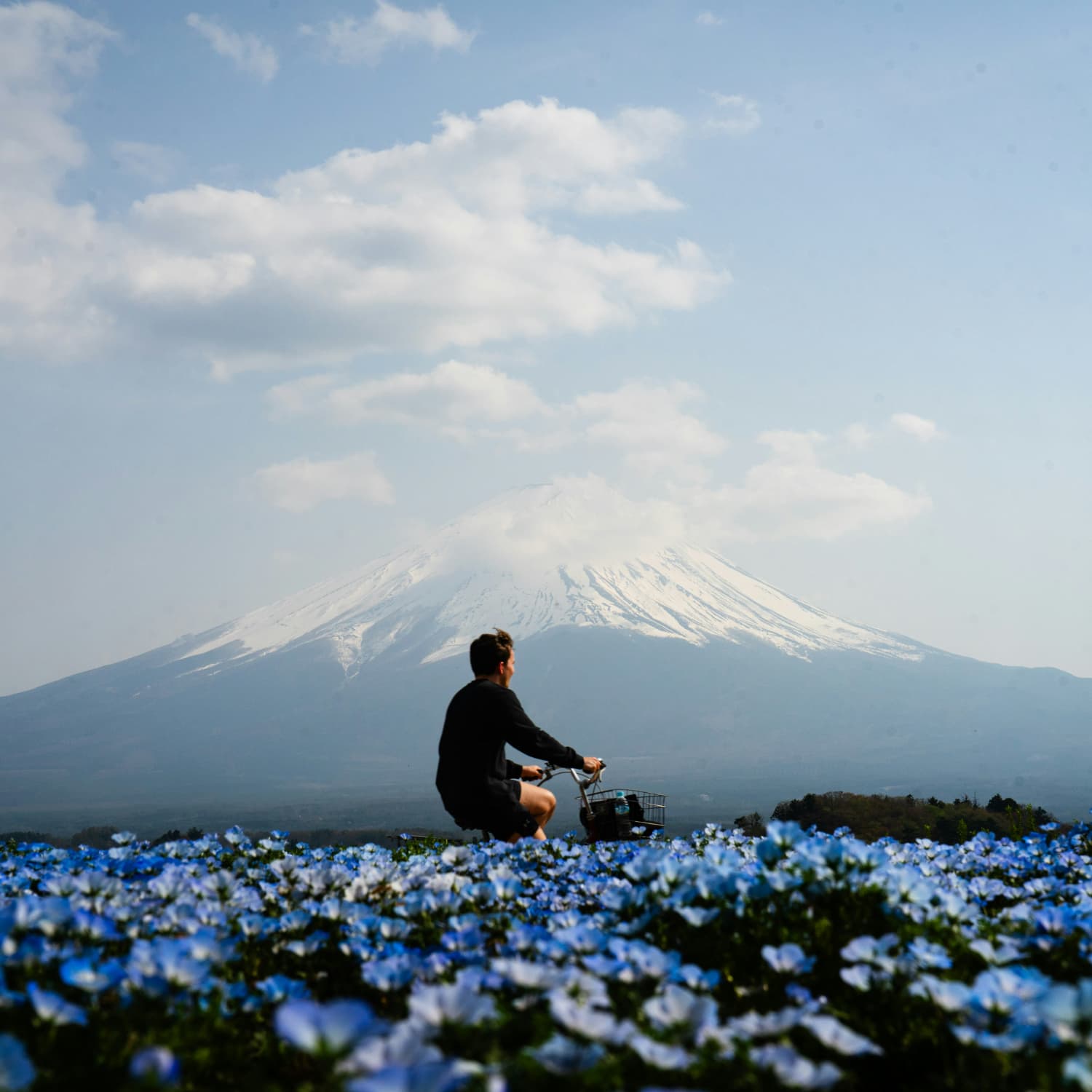
Japan suits solo travellers because the basics work: clear rail links, late trains, counter seats and quiet business hotels. Once you trust the timetable, crossing the country alone feels far less ambitious.
