

Loading...
France is more than postcard views, long lunches and famous landmarks. One day you may be crossing Paris by metro, the next you may be browsing a village market or comparing cheeses with someone you have just met on a train.
These France travel tips will help you move around with less stress, eat well and avoid the small mistakes that can slow a trip down. Use them as a simple guide for making each day feel easy, local and memorable.

Written by Hannah Govender

Reviewed by Hannah Govender

Updated 1 August 2026
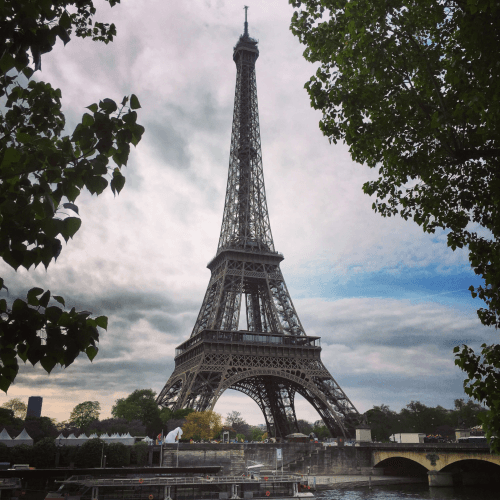
The Eiffel Tower belongs on most Paris plans, but tickets can disappear faster than visitors expect. From the summit, 276 metres above the city, Paris opens out clearly, with the Seine, Notre Dame, Montmartre and La Défense all easy to pick out.
Mont Saint Michel rises from the tidal flats of Normandy like a storybook island. You can wander the village, ramparts and main street without a ticket at any time, but the abbey at the top needs paid entry.
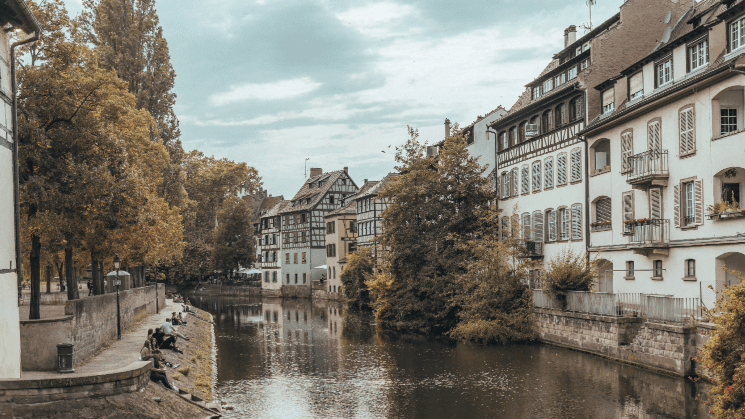
Colmar makes the detour into Alsace feel worth it. Its old town is all timber framed houses, flowered canals and painted facades, with a gentler pace than many famous European postcard towns.
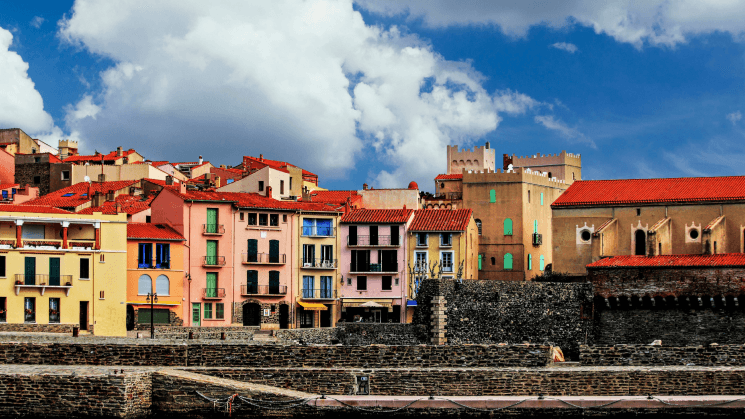
Collioure is a Catalan fishing port on the Vermeille Coast, where bright boats, stone lanes and the sea light inspired Matisse and Derain. The harbour view still feels close to the paintings that made the town famous.
Collioure is popular with day trippers from Perpignan. Arrive before 10:00 am or stay overnight, and the beaches and old town feel much calmer once coach groups leave.
France is part of the Schengen area, so entry rules depend on your passport and on time spent across Schengen as a whole. EU, EEA and Swiss citizens can travel with a valid passport or national ID card. Many other nationalities can visit without a visa for up to 90 days in any 180 day period, but that allowance is shared across the Schengen area, not reset in each country. Non EU visitors now go through EES biometric checks at the border. ETIAS is not in force yet, so any site claiming to sell it today should be treated as fraudulent.
France catches travellers out with long museum days, cobbled streets and dress expectations. Bring shoes you can genuinely walk in, a light layer for cool evenings and chilly TGV carriages, and clothing that covers shoulders and knees for cathedrals and churches, where entry can be refused even with a ticket. In the south in summer, proper sun protection and a refillable water bottle matter. If you have restaurants in Paris on the plan, pack one outfit smarter than shorts and trainers.

Mobile coverage in France is strong in cities and along most main routes, but it can drop in rural areas, the Alps, the Pyrenees, parts of Corsica and on stretches of TGV line. Free WiFi is common in hotels, cafés and stations, yet everyday travel still relies heavily on mobile data for maps, tickets, bookings and payments. Roaming costs depend on your home plan: travellers from outside the EU roaming zone, including many UK, North American, Asian, Australian and African plans, often face daily fees or high per MB charges, while EU plans roam at no extra cost under fair use rules.
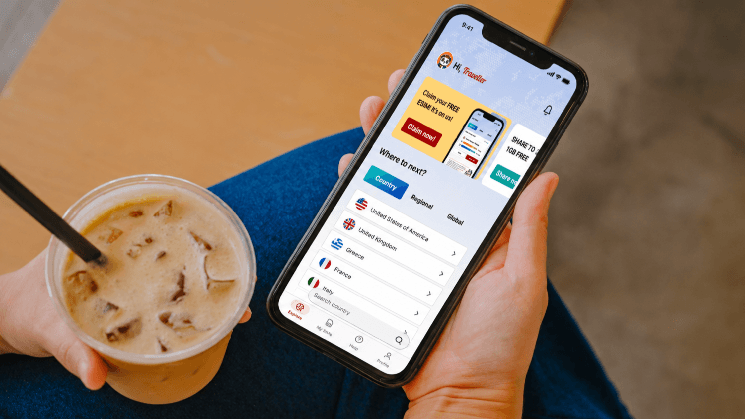
France is generally liberal in daily life, especially in cities, but public behaviour is often more reserved than visitors expect. Dress is usually practical but put together, drinking in cafés and bars is normal, and religion is treated as a private matter in public institutions. Laïcité means a strict separation of religion and the state, which can affect religious symbols or dress in schools and some public buildings, though visitors will mainly notice it as a strong expectation of neutrality in official settings.
France has strong legal protections for LGBTQ+ people, including marriage equality, and major cities such as Paris, Marseille and Lyon are socially comfortable for queer travellers. Public affection is generally safe, though it may draw more attention in rural areas or very traditional small towns. The tone there is often reserved rather than hostile.
The one mistake tourists make most often is starting a request without first saying bonjour. Service is included in restaurant bills, so tipping usually means rounding up or leaving a few euros for good service, not adding a large percentage. Keep voices low on public transport and in restaurants, dress modestly in churches, and follow local rules at beaches, monuments and public spaces, where fines can apply for littering, public nuisance or entering protected areas.
Eating with dietary restrictions in France is manageable but not always effortless. Vegetarian options are easier than before, though traditional bistros can still be limited, and vegan choices are far better in big cities than in villages. Butter, cream, eggs, nuts and seafood appear often, while halal and kosher food is easy to find in large cities and harder in small towns. Useful phrases include je suis végétarien, je suis végétalien and je suis allergique à followed by the ingredient.
| Cost | When to use it | |
|---|---|---|
| Train and Metro | A single Metro Train RER ticket in Paris costs a little over €2.50, while bus and tram tickets are slightly cheaper. In other French cities, single tickets usually sit around €1.50 to €2.20. Fares change periodically, so check SNCF Connect or the local transport app. | This is the default for city travel and many routes between cities. High speed trains beat flying on journeys such as Paris to Lyon, Paris to Bordeaux and Paris to Marseille when you include airport time. Book ahead for the best fares and always check for strike notices before travel day. |
| Taxi | The starting charge is usually around €4, with daytime rates roughly €1.20 per kilometre and higher rates at night, on weekends or in the suburbs. | Use taxis for late nights, luggage or areas beyond the Metro. Taxis are metered and regulated, but street hailing is not the norm everywhere, so ranks, hotels and apps are the reliable options. |
| Ride hail | Ride hail prices are often similar to or slightly below a metered taxi for the same trip, but surge pricing during busy times can remove the saving. | Uber operates in many large French cities, with strong coverage in Paris, Lyon, Marseille, Nice, Bordeaux and Toulouse, and thinner coverage elsewhere. It is useful when you want a fixed price upfront or prefer not to use cash. |
| Car hire | Daily hire often starts around €35 to €60 in low season and can rise to €70 to €120 or more in high season. Fuel, motorway tolls and city parking add noticeably to the total. | A car is genuinely useful for the Loire, Provence, the Dordogne and parts of the coast. It is a burden in Paris. Watch for low emission zones in major cities, the Crit Air sticker needed to enter them, camera fines that can arrive months later, toll roads and difficult parking in old centres. |
Health cover in France depends on where you are from. European visitors with an EHIC, and UK visitors with a GHIC, can access medically necessary state healthcare on the same terms as locals, which often means paying upfront and claiming most of it back rather than being treated free. Visitors from outside Europe usually have no reciprocal cover, so even a routine doctor visit is paid out of pocket without insurance. Insurance is still worth considering because repatriation, private clinics, mountain rescue and activities such as skiing, hiking, diving or scooter hire are not covered by state schemes. A simple uncovered clinic visit can easily cost €50 to €100 before any tests or medicines.
French food is intensely regional, so do not try to eat the same way everywhere. Start with a proper croissant or pain au chocolat from a bakery, then look for galettes in Brittany, bouillabaisse in Marseille, cassoulet in the south west, choucroute in Alsace and socca in Nice. Markets are best for cheese, fruit, saucisson and picnic food, while restaurants are where dishes such as confit de canard or boeuf bourguignon make most sense.
Wine is the obvious drink to try, but order locally rather than by famous label alone. In Normandy, cider is part of the meal culture, in Brittany it goes with galettes, and in the south a pastis before dinner is more about taking your time than drinking heavily.
The classic dining mistake is choosing the busiest menu board beside a major sight and expecting a good meal at any hour. Many kitchens serve lunch roughly from noon to 2:00 pm and dinner from about 7:30 pm, then close firmly outside those windows. Book popular places, avoid photo menus when you can, and remember that service is included, so a small round up is enough.
ABOUT THE AUTHOR

Few things are more frustrating than returning from holiday to a huge roaming bill. This guide breaks down what data roaming is and explores affordable alternatives for travellers.
Spain can look like flamenco, fiestas and endless sunshine at first glance, but look a little closer and it keeps surprising you. Think medieval towns, lively plazas that wake up late, mountain trails bright with wildflowers and quiet surf beaches tucked along the coast. This guide brings together the Spain travel tips you need before you go, from timing and costs to everyday habits that make the trip feel smoother.
Japan suits solo travellers because the basics work: clear rail links, late trains, counter seats and quiet business hotels. Once you trust the timetable, crossing the country alone feels far less ambitious.
