

Loading...
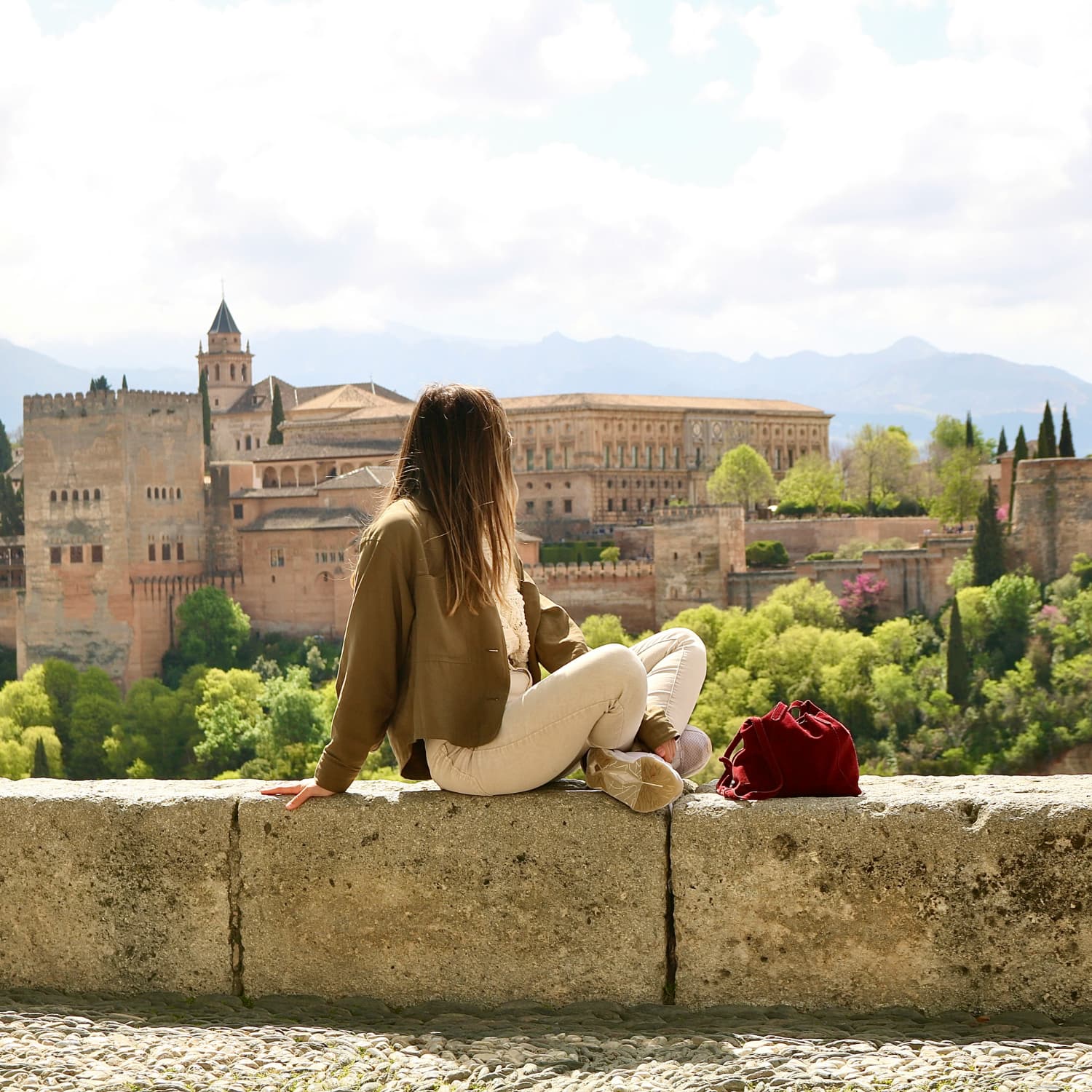
Spain works well solo when you let each city set the pace. Madrid mornings, Seville evenings, and train days between them can make traveling alone feel less like a risk and more like a plan you can actually handle.

Written by Kimara Greyling

Reviewed by Kimara Greyling

Published September 7, 2026
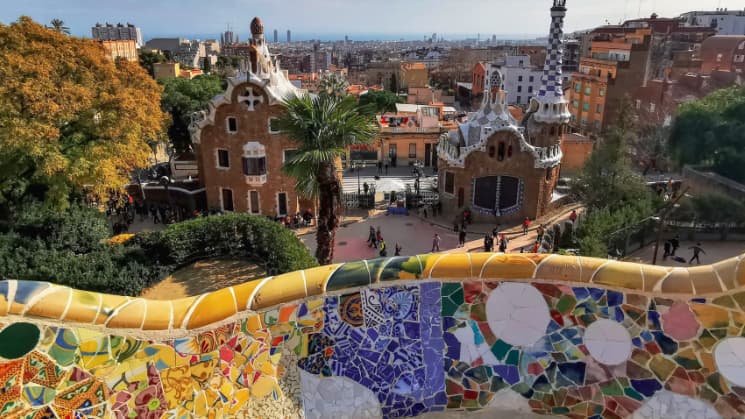
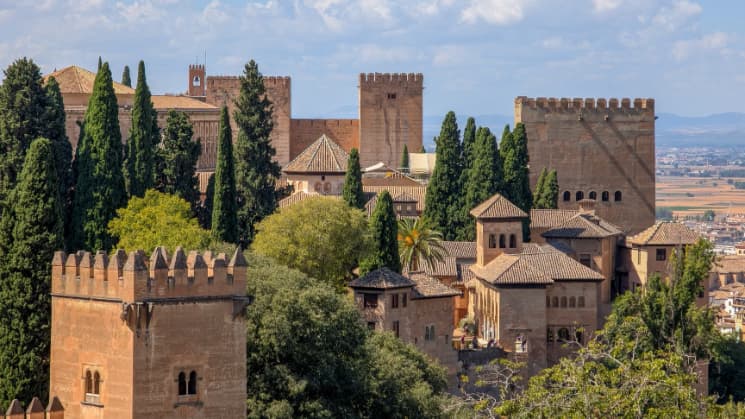
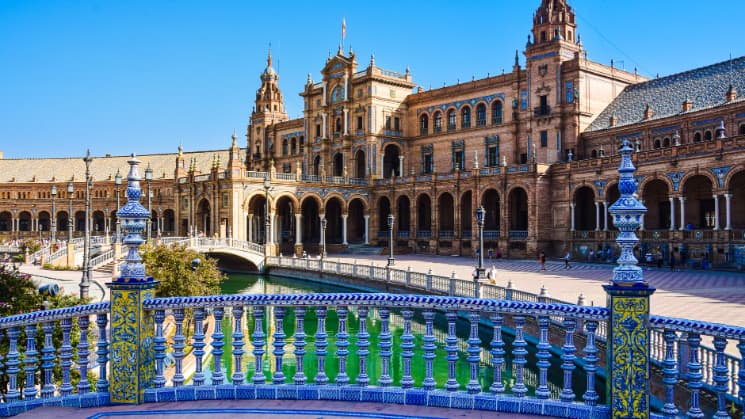
| Morning | Afternoon and Evening | Solo Tip | |
|---|---|---|---|
| Day 1: Madrid | Start at the Prado Museum and focus on a few rooms instead of trying to see everything. Then walk through the Jerónimos side of Retiro Park. | Head to Plaza de Santa Ana for a drink, then try tapas around Calle de Jesús. It is lively without feeling hard to navigate alone. | Book major museum tickets online if you care about timing. Bring a small bag, since security lines move faster. |
| Day 2: Madrid | Visit the Royal Palace area early, then walk to Almudena Cathedral and the gardens below. The views toward Casa de Campo are best before the crowds build. | Spend the evening in Malasaña or Chueca, where solo bar hopping feels normal. Choose busy counters over empty dining rooms. | At tapas bars, order one drink and one small plate at a time. It is normal to move on after a short stop. |
| Day 3: Toledo | Take the morning train from Madrid to Toledo and walk up into the old town before tour groups settle in. Visit the cathedral or the Monastery of San Juan de los Reyes. | Cross to Mirador del Valle for the classic view, then return to Madrid after dinner or before dark. The streets are steep, so pace the day. | Wear real walking shoes. Toledo looks compact on a map, but the hills and stone streets make rushed plans tiring alone. |
| Days 4 and 5: Barcelona by AVE | Arrive by AVE from Madrid and split mornings between Sagrada Família, Park Güell, and the quieter lanes of Gràcia. Start early for the big ticket sights. | Use one evening for El Born and the Gothic Quarter, and another for Barceloneta or a sunset view from Montjuïc. Keep one meal flexible so you are not chasing reservations. | Watch your phone and bag on the metro and around La Rambla. Barcelona is easy solo, but distraction theft is the main hassle. |
| Day 6: Girona | Take the train to Girona and walk the medieval walls before lunch. The views over the cathedral, rooftops, and Onyar houses are worth going slow for. | Spend the afternoon in the Jewish Quarter and along the river, then return to Barcelona. It is a calmer day after the bigger cities. | Check return train times before you wander too far. Girona is relaxed, but evening services are easier when you already know your option. |
| Day 7: Barcelona | Keep the morning light with Santa Caterina Market or a final walk through El Born. Pick something close to your luggage storage or hotel. | Leave time for the trip to Barcelona El Prat Airport or Sants station. If you have extra hours, Montjuïc is easier than squeezing in another distant sight. | Do not plan a tight airport transfer after a beach or market stop. Traffic and luggage storage can eat more time than expected. |
| FAQs | |
|---|---|
| Is Spain safe to travel alone? | For most solo travelers, Spain is safe and easy to move around. The main risk is pickpocketing, especially in Barcelona around La Rambla, Sagrada Família, beach areas, and crowded metro lines. Trains and city transit are reliable, but late night walks are better on busy streets or by taxi. |
| How much does a solo trip to Spain cost? | A budget solo traveler can manage about $70 to $110 USD a day with hostels, markets, tapas, and trains booked early. A midrange trip is more like $150 to $230 USD a day. The biggest cost drivers are private rooms, AVE tickets bought late, Barcelona hotels, and summer beach destinations. |
| Is Spain good for women traveling alone? | Spain is a strong choice for women traveling alone, especially in Madrid, Seville, Valencia, Granada, and Barcelona with normal city awareness. The bigger issue is unwanted attention late at night in nightlife zones, not daily travel. Use official taxis or ride apps after club hours and keep your bag closed on transit. |
| Where should you go in Spain for a solo trip? | Madrid and Barcelona are the easiest starting points because transit, food, museums, and social options are simple alone. Seville and Granada are great for slower evenings and walkable old centers. Girona, Córdoba, and San Sebastián work well when you want a calmer pace without feeling isolated. |
| Will language be a problem outside big cities? | In Madrid, Barcelona, hotels, train stations, and major sights, basic English is usually enough. In smaller towns and local restaurants, you will do better with a few Spanish phrases and a translation app. Menus can be regional, so checking dishes before you order helps a lot. |
| Do siesta hours affect solo travel plans in Spain? | Yes, especially in smaller towns and hot southern cities, where some shops and family run places close in the afternoon. Big museums, chains, and tourist restaurants often stay open, but do not count on every errand between 2 pm and 5 pm. For a fuller practical rundown, read Spain Travel Tips. |
About the author
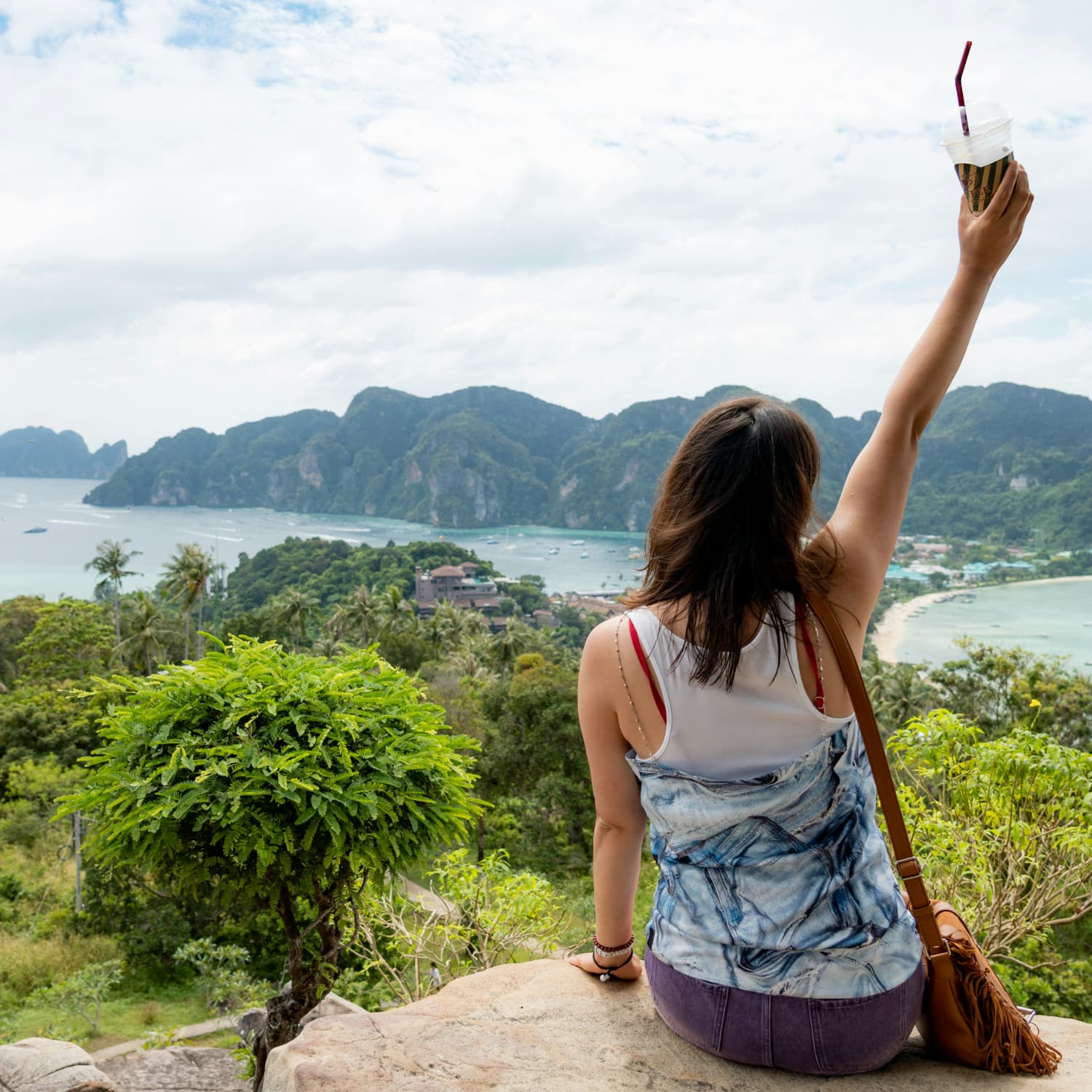
Solo female travel is safer and more reachable when you can learn from women who are already doing it. With communities, location sharing, and planning, you can make confident choices and enjoy the freedom of going on your own.
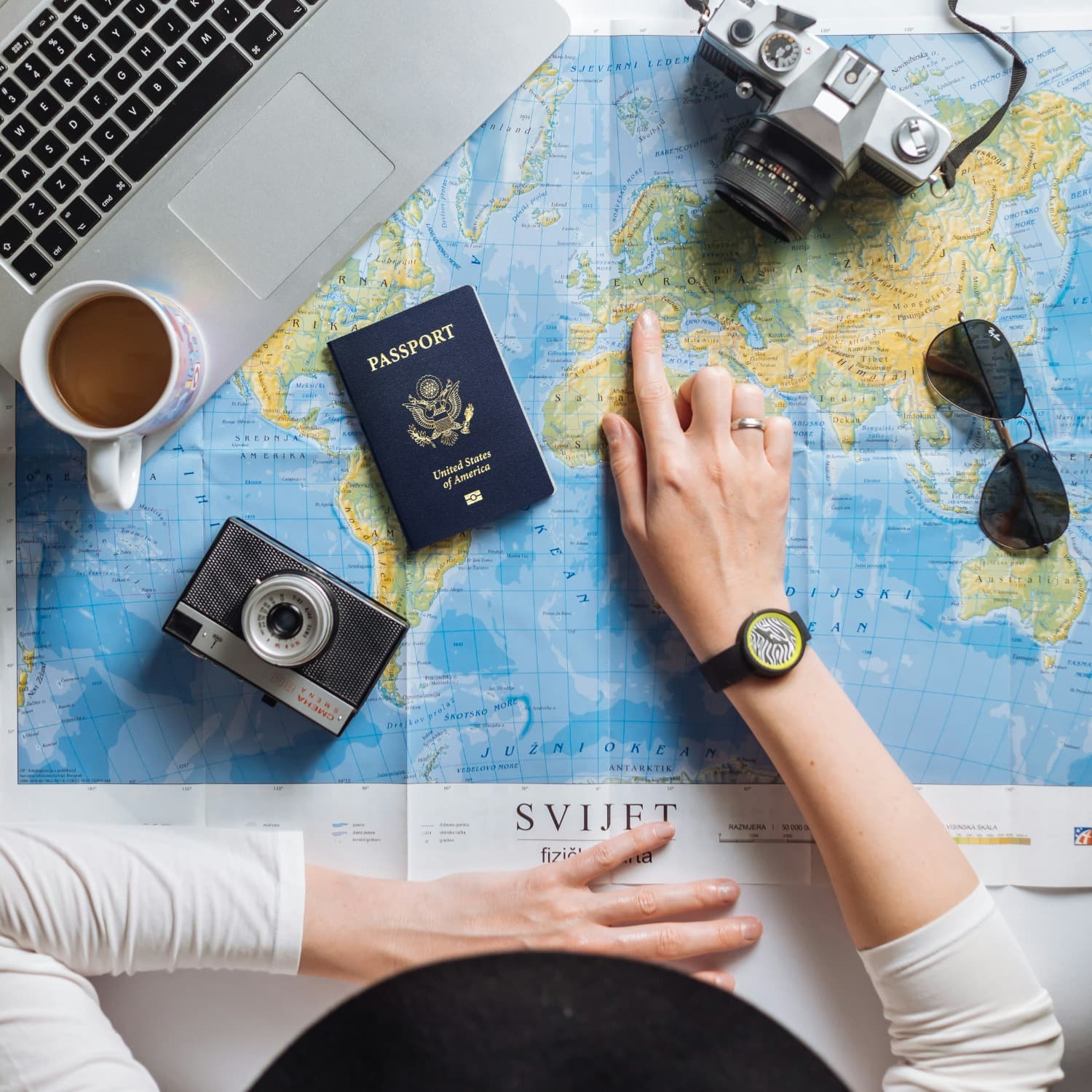
Choosing where to go is part of the excitement, but peace of mind matters just as much once you arrive. This guide looks at the countries that stand out for 2026, using the latest Global Peace Index as the starting point.
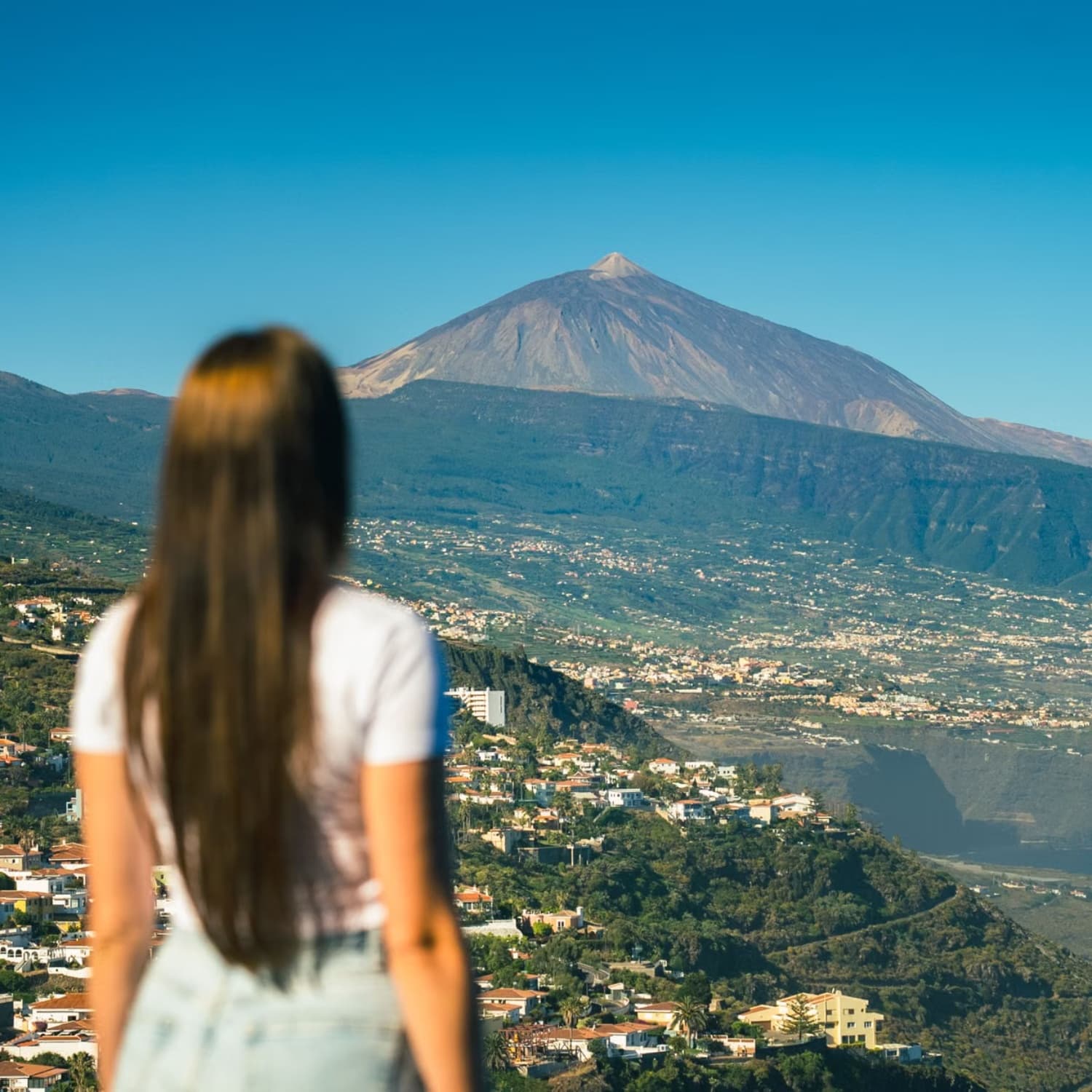
Hop between islands whenever you want using easy ferries and short Binter flights, no group plans to juggle. In Las Palmas, you'll land among solo travelers and digital nomads who make arriving by yourself feel totally normal. The Canary Islands welcome solo adventures.
