

Loading...
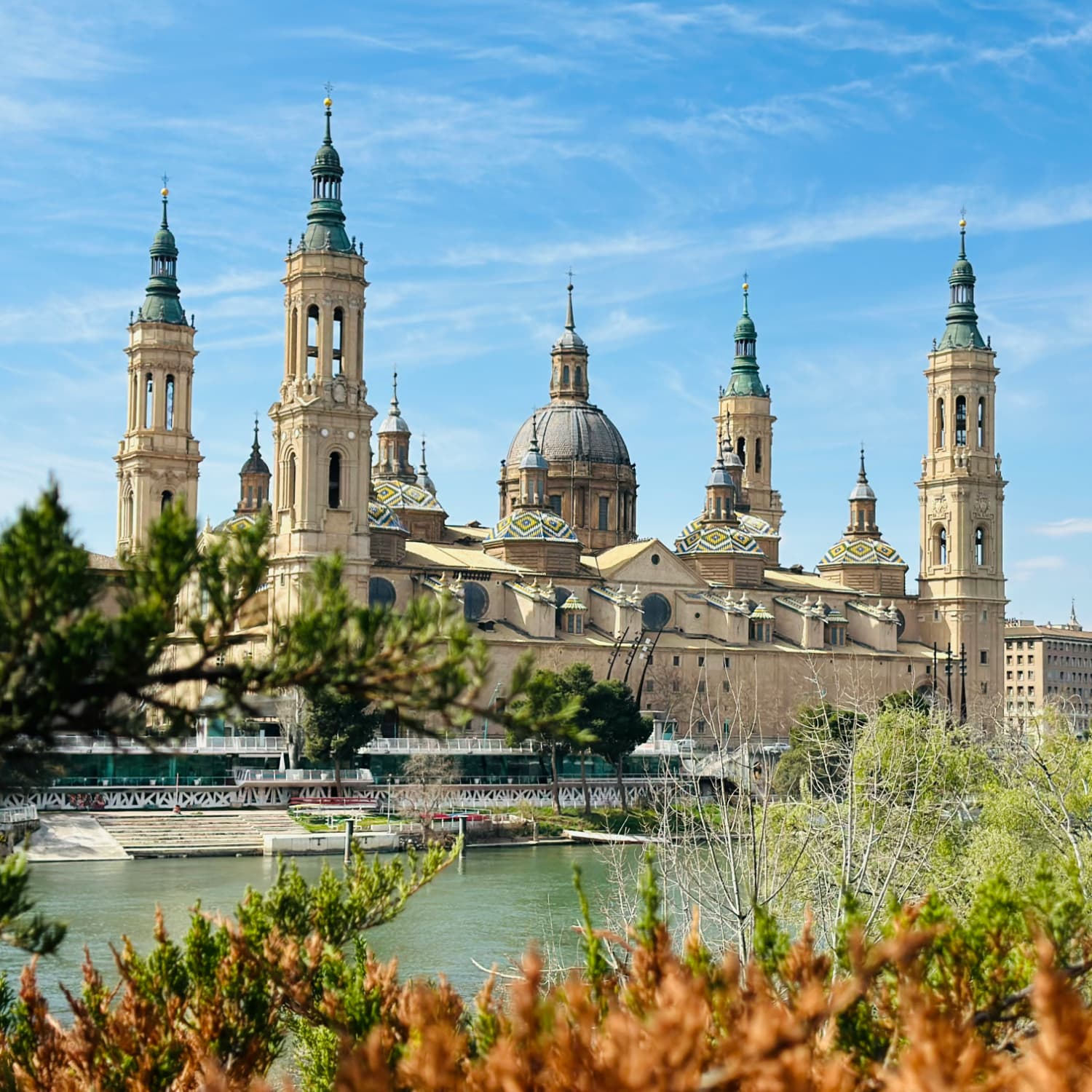
Spain can look like flamenco, fiestas and endless sunshine at first glance, but look a little closer and it keeps surprising you. Think medieval towns, lively plazas that wake up late, mountain trails bright with wildflowers and quiet surf beaches tucked along the coast. This guide brings together the Spain travel tips you need before you go, from timing and costs to everyday habits that make the trip feel smoother.

Author Hannah Govender

Reviewed by Hannah Govender

Date August 1, 2026
The Alhambra in Granada is the Spanish masterpiece that fully earns its UNESCO World Heritage status. Timed entry tickets are required, and you should book several weeks ahead if you want a reliable choice of slots. Go first thing in the morning, before the courtyards fill, then take your time in the gardens and the Nasrid Palaces, where royal rooms glow with carved stucco, tile mosaics, and honeycomb like muqarnas.
La Sagrada Familia in Barcelona is the rare landmark that feels even more powerful in person than in photographs. Timed tickets are essential, and popular tower slots can sell out days or even weeks ahead in busy periods. Aim for a morning visit when the light starts pouring through the stained glass, then walk the outside slowly so the Nativity and Passion facades both get the attention they deserve.
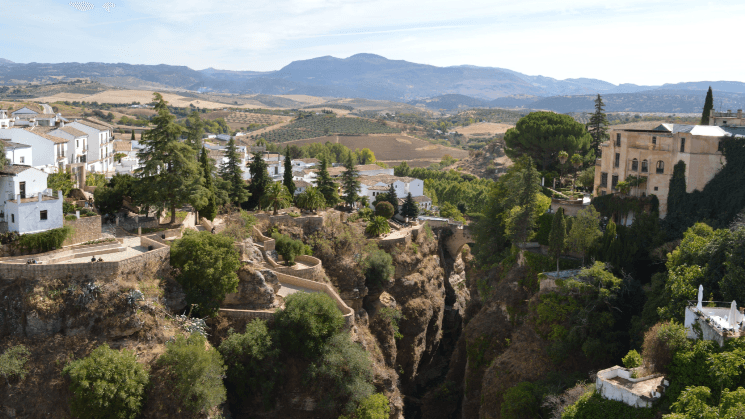
Ronda is a hidden gem with Arab baths, a handsome Old Town, and bridges that turn the landscape into theatre. Its Puente Nuevo rises about 120 metres above the canyon floor, joining the old Moorish quarter with the newer town in one dramatic sweep of stone. Ronda also has one of the oldest and most historic bullrings in Spain, now run as a museum, so arrive early to wander the cobbled lanes and viewpoints before day visitors arrive.
Cuenca is worth the detour if you like places that feel suspended between landscape and legend. Its hanging houses cling above the gorge, the old centre is compact, and it pairs well with a stop between Madrid and Valencia. Go for a night if you can, because the day trip crowds thin out and the viewpoints are at their best in soft evening light.

Spain is in the Schengen Area, so entry rules depend on your passport, length of stay, and purpose of travel. Many visitors can enter for up to 90 days in any 180 day period without a visa, while others need a Schengen visa before arrival. Border staff may ask for proof of accommodation, return or onward travel, travel insurance, and enough money for the trip. The common mistake is thinking a visa free entry means unlimited time in Spain, but the Schengen day count still applies across the whole zone.
Spain catches people out with sun, stone streets, and changing temperatures. Bring proper sun protection and a refillable water bottle for summer sightseeing where shade can be limited. Pack something that covers shoulders and knees for churches and cathedrals, because entry can be refused even with a prepaid ticket. Comfortable shoes matter on cobbles, hills, and old town steps, and a light layer is useful for cold trains, strong air conditioning, and cooler evenings.
Mobile coverage in Spain is strong in cities, resorts, and along main transport routes, but it can drop in rural interiors, mountains, coves, and some island areas. Free WiFi is common in hotels, cafes, airports, and stations, yet maps, tickets, restaurant bookings, banking checks, and messaging all work better with mobile data. Roaming costs depend on your home plan: EU plans usually roam at no extra cost under fair use rules, while many plans from outside the EU roaming zone, including most UK, North American, Asian, Australian, and African plans, can bring daily fees or steep data charges.
Spain is generally liberal in daily life, especially in cities and coastal areas. Dress is relaxed, people eat and socialise late, alcohol is visible but public drunkenness is not admired, and religion is more cultural than restrictive for many residents. You will still see strong respect around churches, festivals, and family occasions, so behave casually but not carelessly.
Spain is one of the safest and most legally protected countries in Europe for LGBTQ+ travelers, with marriage equality, adoption rights, and broad anti discrimination protections. Madrid, Barcelona, Sitges, Valencia, and many resort areas are openly welcoming. In small towns or more rural areas, public affection may simply draw more looks than it would in a big city.
Greetings are warm, service is usually unhurried, and tipping is appreciated but modest rather than expected. Cover shoulders and knees at religious sites, keep beachwear for the beach, and avoid drinking in the street where local rules ban it, as fines can range from about €100 to €300 depending on the city. The mistake visitors make most often is treating Spanish meal times like home and arriving when kitchens are closed.
Vegetarian food is easy in cities, and vegan options are increasingly common, though small towns can still be patchy. Seafood, pork, egg, nuts, dairy, and gluten appear often, so be clear when ordering. Halal and kosher food is findable in Madrid, Barcelona, Granada, and larger cities, but much harder in villages. Useful phrases include No puedo comer followed by the ingredient, or Tengo alergia a followed by what you must avoid.
| Mode of transport | When to use it | |
|---|---|---|
| Train and metro | A single metro ride in a major city usually costs about €1.50 to €2.50. Day passes and multi trip travel cards often sit around €5 to €10, depending on the city and zone. | This is the default for city travel and many intercity trips. Spain has strong metro networks in major cities and excellent rail links between big destinations. |
| Taxi | Taxis usually start with a flag fall of about €2.50 to €4, then add roughly €1 to €1.50 per kilometre. Madrid has a fixed airport fare to the central zone, and night, weekend, airport, and luggage supplements may apply. | Use taxis late at night, with luggage, or where the metro does not reach. They are metered and regulated, so agreeing a fare before the ride is not the normal practice. |
| Ride hail | Ride hail can be similar to a taxi or slightly cheaper for the same route, but surge pricing at busy times can remove the saving. The value is often the fixed price shown before you ride. | Uber, Bolt, FreeNow, and Cabify operate in parts of Spain, but coverage varies sharply by city and local rules can limit availability. Use them when you want a price upfront, app payment, or no cash handling. |
| Car rental | Daily rental can be around €25 to €60 in quieter periods and €60 to €120 or more in high season. Fuel, motorway tolls, insurance excess, and city parking can add a lot to the real cost. | A car is worth it for coastlines, countryside, small villages, and scenic routes. It is a burden in big cities, where restricted traffic zones, camera fines that arrive months later, toll roads, and scarce parking can make driving stressful. |
European visitors with an EHIC, and UK visitors with a GHIC, can use medically necessary state healthcare in Spain on the same terms as locals. Visitors from outside Europe usually have no reciprocal cover, so a routine private doctor visit could cost around €60 to €150 without insurance. Insurance is still useful for everyone because state schemes do not cover repatriation, many private resort clinics, mountain rescue, or specialist activity risks such as skiing, hiking, diving, scooter hire, or motorbike hire.
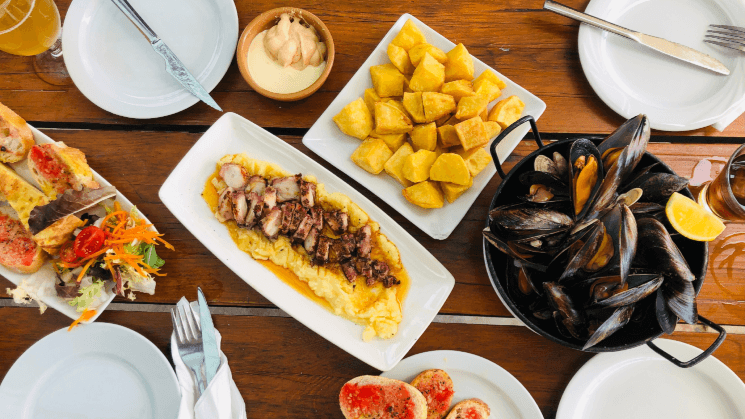
Start with tortilla de patatas, jamón, croquetas, and a plate of pan con tomate in a busy bar where the counter tells you more than the menu. In Valencia, seek out paella for lunch, not dinner, and choose a restaurant that cooks it to order rather than serving it from a display pan. Markets are perfect for quick bites, while a proper restaurant meal is where you slow down for rice dishes, grilled seafood, or regional stews.
Vermouth is the local drink that visitors often overlook. Order vermut before lunch with olives, anchovies, or crisps, especially on a weekend, and treat it as a social ritual rather than a quick drink. In the south, sherry is just as worth trying, from dry fino to richer oloroso.
The classic dining mistake is eating on the most obvious tourist square at the wrong hour. Lunch is usually the main meal, dinner often starts late, and many kitchens close between services. Tip lightly if service was good, but do not feel pressure to add a large percentage.
A smart trip to Spain is all about learning to slow down and leaving space for the unexpected. Many travelers arrive with the famous sights in mind, then realize how much magic sits beyond them, from countryside escapes to the daily rituals of a busy city square. We covered when to go, how to think about costs, what to expect day to day and the small Spain travel tips that help you travel with more ease.
About the author

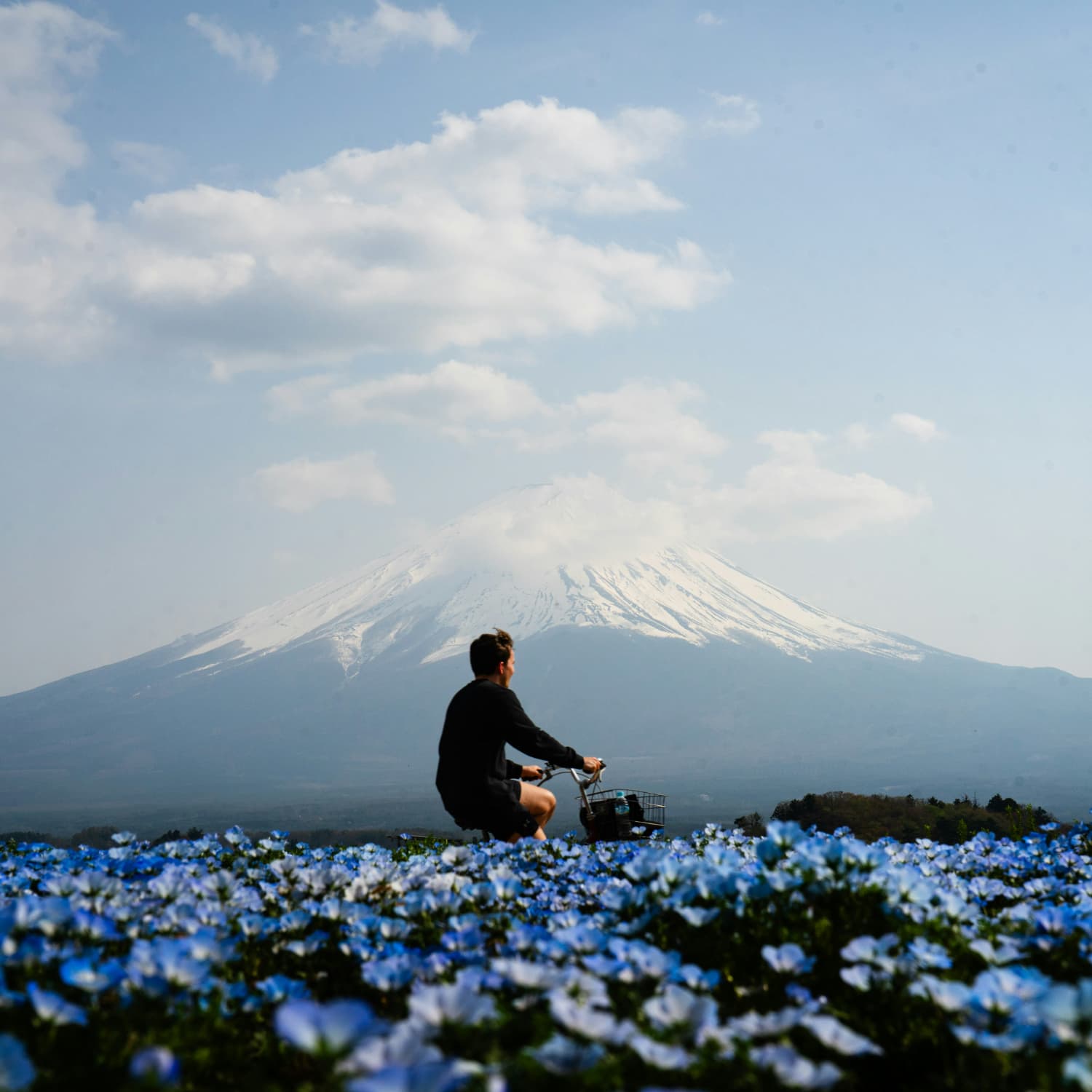
Japan makes solo travel practical before it feels brave. Trains run where you need them, capsule hotels welcome one person, and a quiet ramen counter can make your first night alone feel normal.
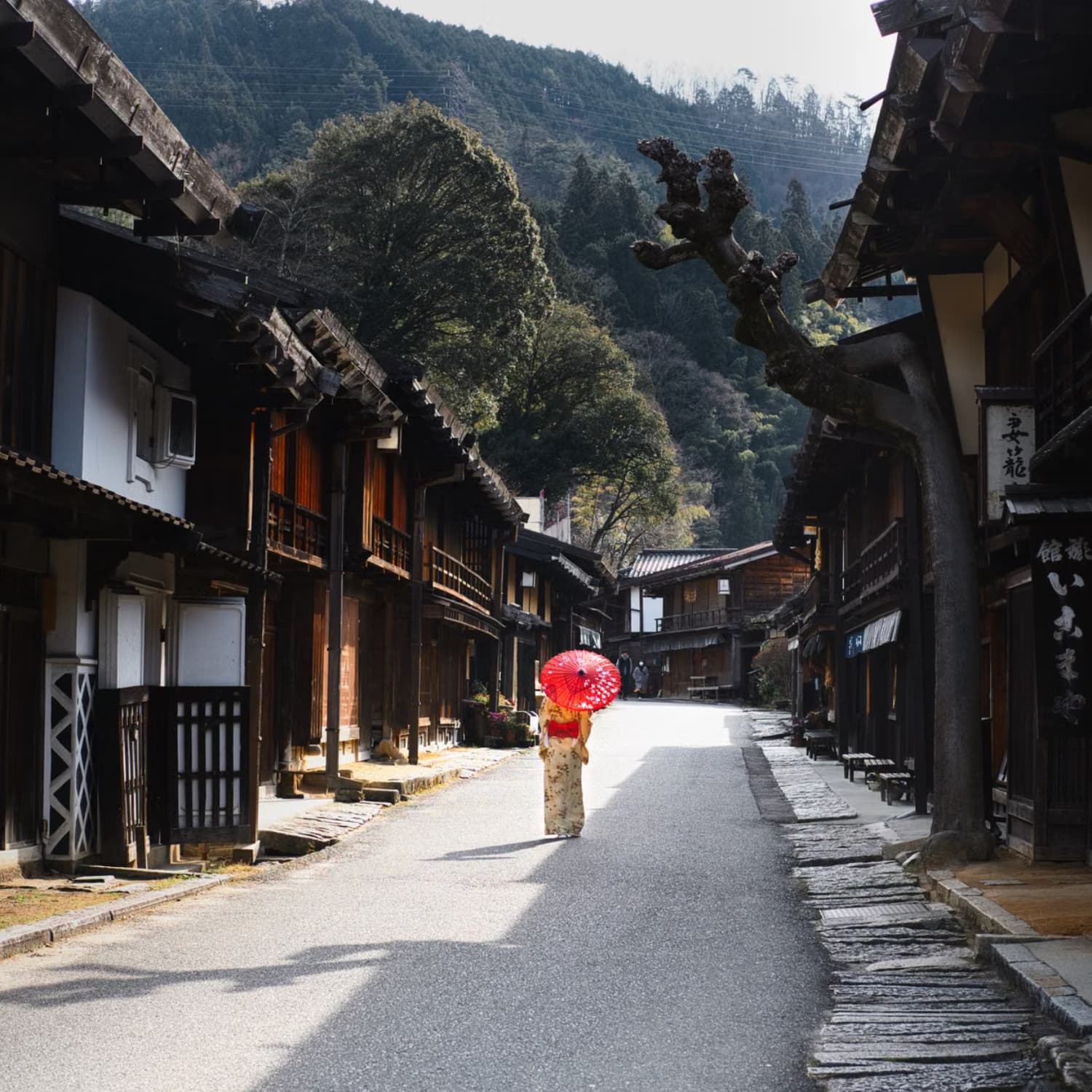
Japan's extremely low violent crime rates make it one of the easiest places to relax as a traveler. Solo visitors, including women, often feel comfortable using trains, walking city streets, and exploring neighborhoods, with the usual common sense precautions.
Choosing where to go is part of the excitement, but peace of mind matters just as much once you arrive. This guide looks at the countries that stand out for 2026, using the latest Global Peace Index as the starting point.
