

Loading...
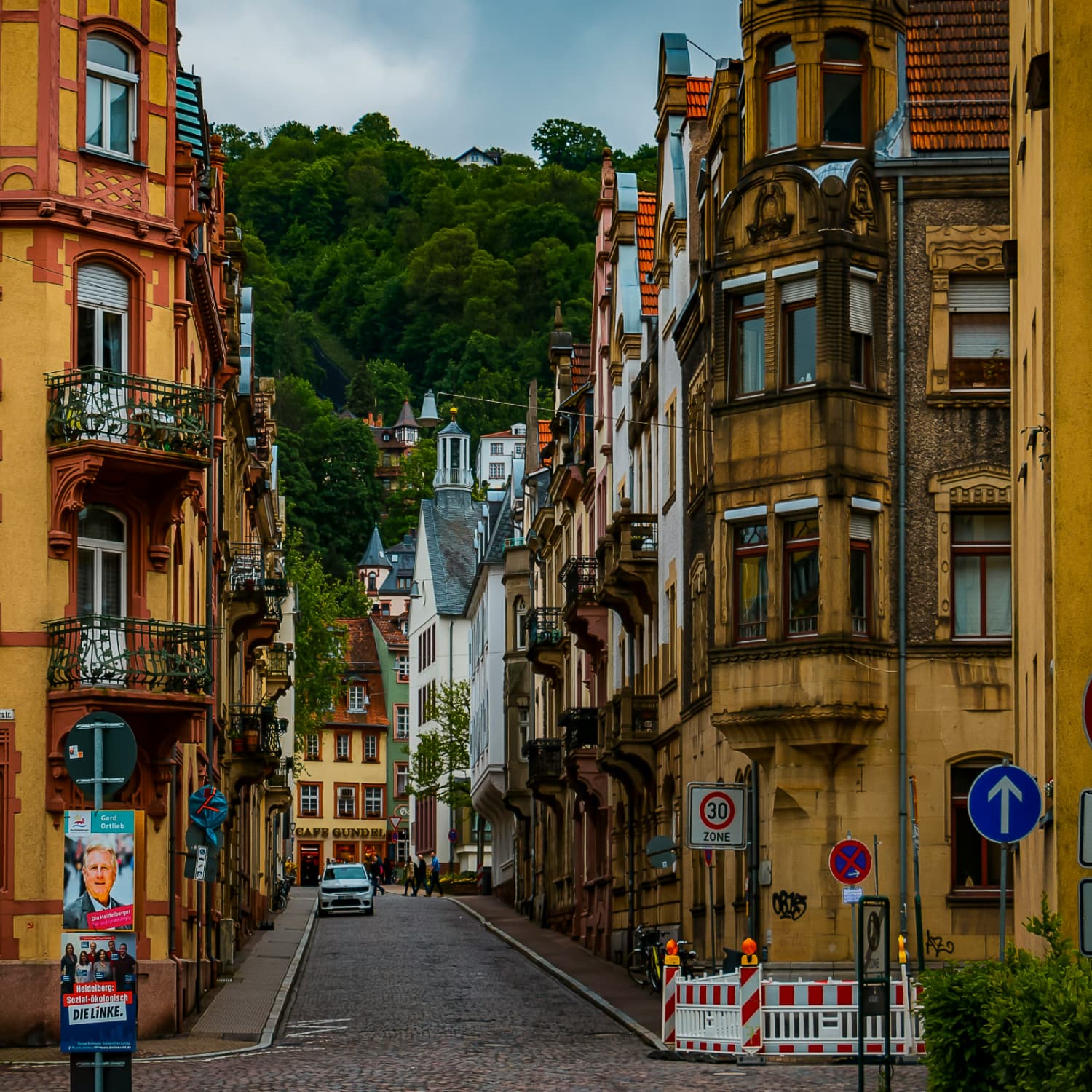
Europe stands out for travelers thanks to its many countries ranked high on the Global Peace Index, a unified emergency number (112) across the continent, and reliable public services. These shared systems and community safety standards make Europe a reassuring destination for visitors.

Written by Kimara Greyling

Reviewed by Kimara Greyling

Updated 27 August 2026
Europe as a whole is very safe for tourists, but the exact risk changes by country and region, so check advice for your destination before you go. Several European countries, especially in Western and Northern Europe, regularly sit near the top of the Global Peace Index. Current FCDO, US State Department, and DFAT advice at publication time also rates many European destinations at low risk, though not all areas are the same. The main issues for visitors are pickpocketing in busy cities, petty theft, and simple scams. Summer heatwaves, winter storms, and local tension near some border areas also matter. These risks are real, but usually manageable with basic preparation.
Europe is generally low risk for violent crime compared with many major tourist regions, according to public safety indexes and advisory data. The risk is not spread evenly. It clusters around crowded sights, transport hubs, and nightlife areas. For tourists, the usual problems fall into two groups: belongings taken from you, and situations where someone talks you into losing money.
| Safety profile | Main risks | Practical tip | |
|---|---|---|---|
| Western Europe | Very safe overall, with risk concentrated in large cities and busy visitor areas. | Pickpocketing, crowded transport, and occasional large public protests. | Keep valuables secure on metros and around major landmarks. |
| Southern Europe and the Mediterranean | Generally safe and popular, with seasonal risks stronger in summer. | Beach and landmark theft, extreme heat, and wildfire smoke in dry periods. | Plan sightseeing early and protect valuables at beaches. |
| Central and Eastern Europe | Mostly safe for tourists, especially in major cities with regular visitor routes. | Nightlife scams, uneven rural roads, and occasional pickpocketing in capitals. | Check bar prices clearly before ordering at night. |
| Nordic and Northern Europe | Among the safest areas in Europe, but nature and weather need respect. | Icy winter conditions, remote travel, and very short winter daylight. | Carry warm layers and share plans for remote trips. |
| The Alps | Safe and well managed, but mountain conditions can change quickly. | Avalanches, altitude, sudden weather shifts, and crowded ski resorts or trails. | Check avalanche and weather bulletins before heading out. |
| The Balkans and Southeastern Europe | Generally welcoming and manageable, with more variation between rural and urban areas. | Uneven rural road safety, city pickpockets, and advisories near tense external borders. | Check current advice before routes near border areas. |
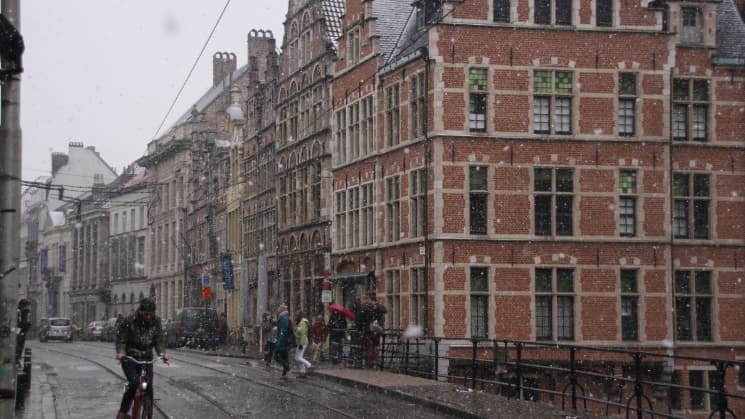
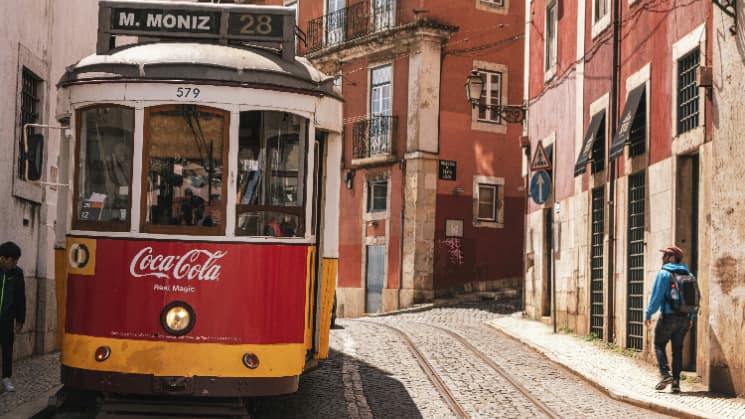
Travel insurance is strongly recommended for Europe, because healthcare costs and access rules vary by country, and severe weather can disrupt travel plans. Your policy should cover:
Drug laws change sharply by country, from tolerated or decriminalized use in a few places to strict penalties in most. Check medicines such as cold remedies or ADHD drugs before travel.
Several countries have strong image rights, so photographing identifiable people without consent can have legal consequences. Photography is often restricted near government, military, or sensitive sites.
Rules vary by country. Some cities restrict public drinking, parts of Central Europe enforce quiet hours, and jaywalking fines are strict in some places but not others.
Many major churches, cathedrals, and religious sites require covered shoulders and knees. Carry a light scarf or cover up, since entry checks can be strict.
Most EU drones above certain weights need registration and remote ID, with restrictions near airports and crowds. The UK, Switzerland, and Norway set separate rules, so check the national aviation authority.
Most of Europe is considered safe for solo travel, including for women. Still, some concerns are real. Harassment and occasional groping on crowded public transport are documented in some major cities, especially on packed commuter lines at rush hour. Stay in well lit, populated areas at night. Use licensed taxis or trusted ride apps instead of street hails late at night. Stay alert on crowded transit. Report incidents to staff or police. Some cities have safe transport or reporting schemes worth checking before you go. For a complete guide, check out Solo Female Traveler Safety Guide
Most of Europe is made up of stable democracies, and the risk of political violence affecting tourists is low. The war in Ukraine still affects travel choices for countries directly bordering the conflict zone, so check current government advisories for those countries rather than treating all of Europe the same. Large but generally non violent demonstrations happen at times in several capitals. Avoid protest areas as a simple precaution.
About the author
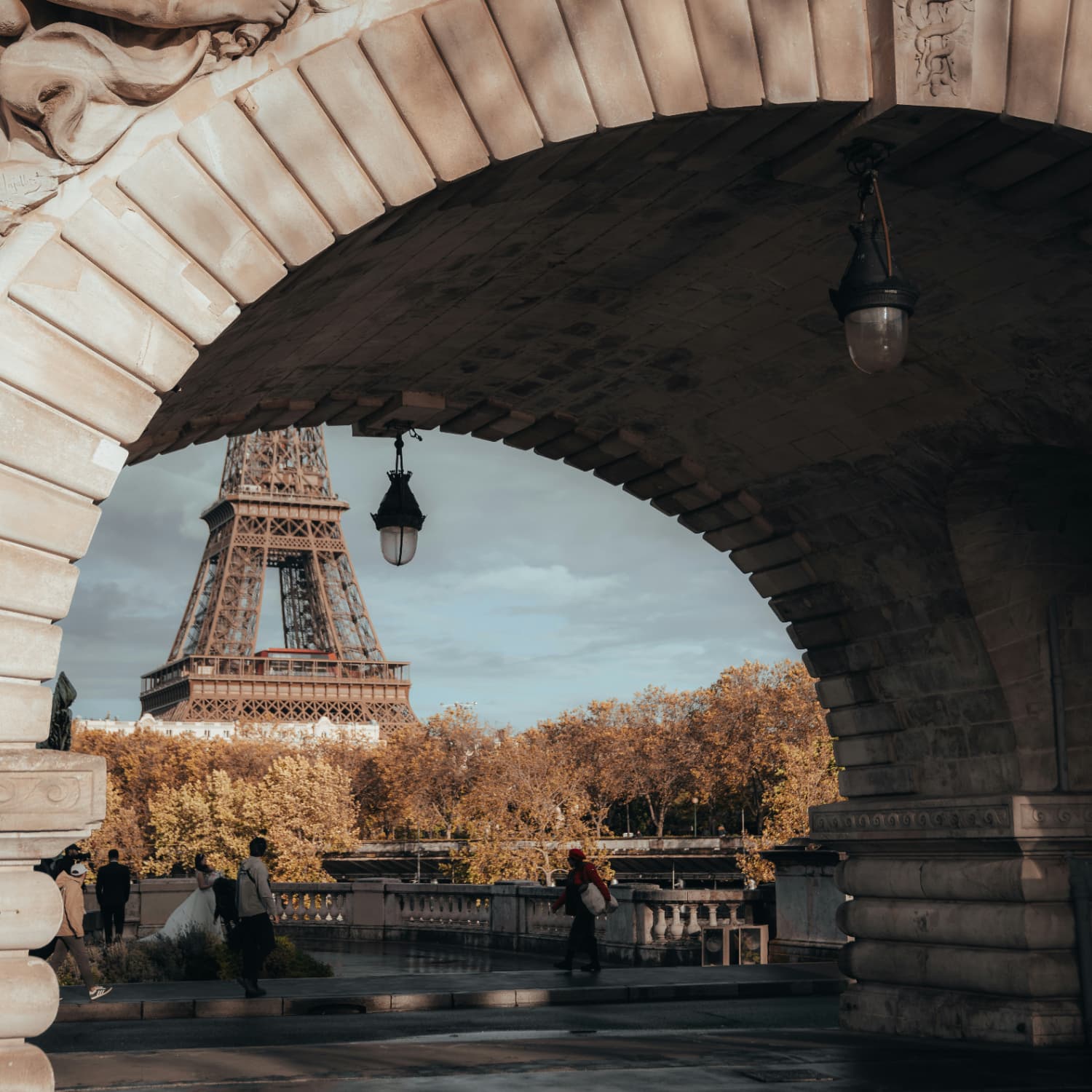
In France, solo travel feels easier when you stop trying to see it all. Pick one French rail line, one market town, and one long cafe pause, and the day starts to feel possible on your own.
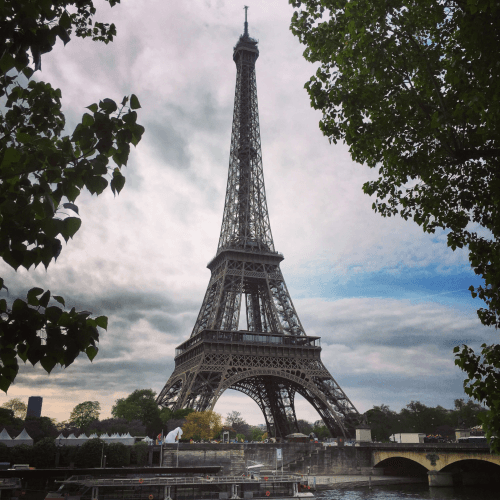
France can look like wine, Eiffel Tower photos and long cafe afternoons, but the real trip has more surprises. One day you are racing through Paris metro tunnels, the next you are slowing down at a village market or chatting about cheese with someone on a train. These tips will help you fit in, eat well, avoid common tourist mistakes and make every day feel like a small adventure.
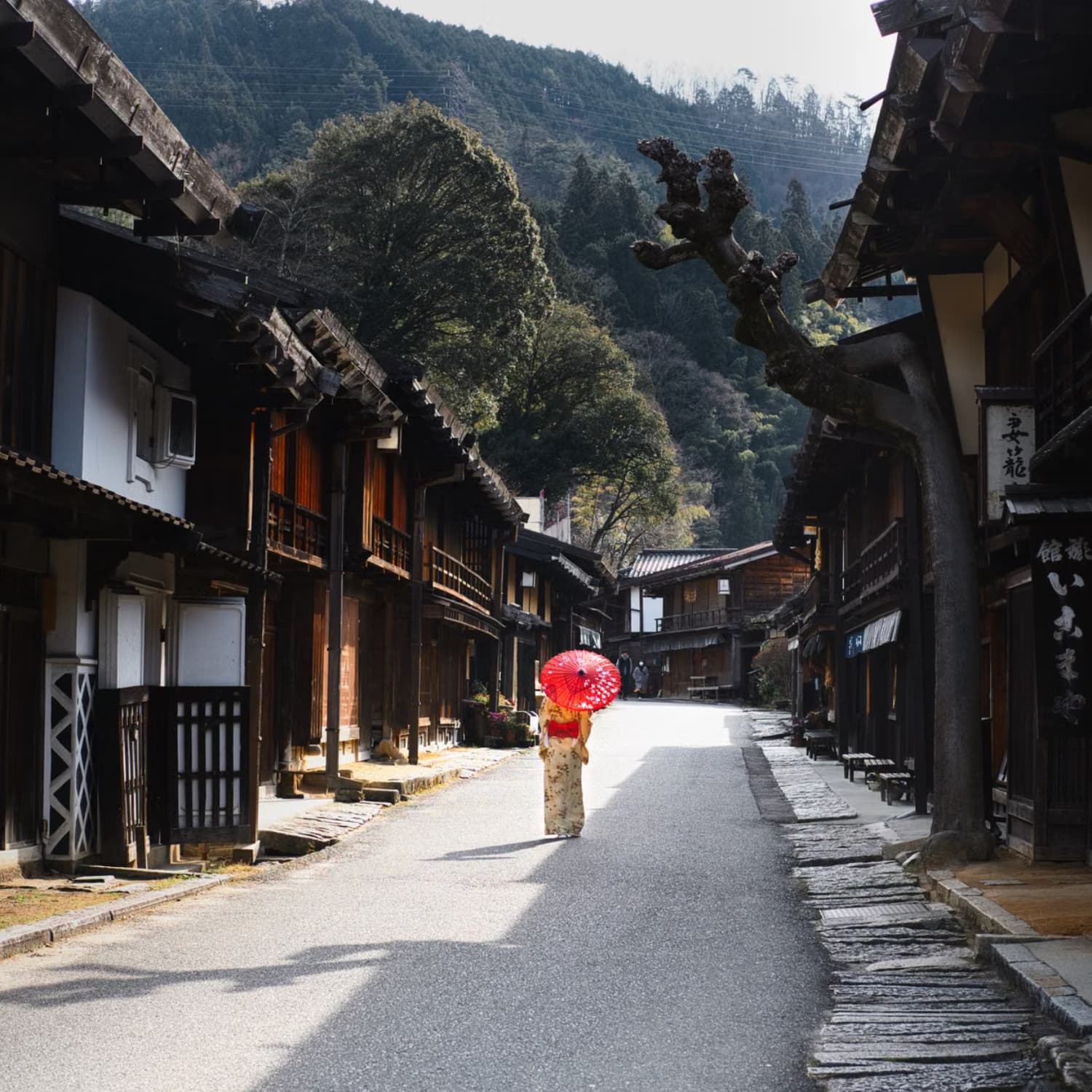
Japan feels unusually safe because violent crime is very rare, even in huge cities like Tokyo and Osaka. Solo travelers, including women, often feel comfortable using trains, walking at night, and asking for help when plans change.
