

Loading...
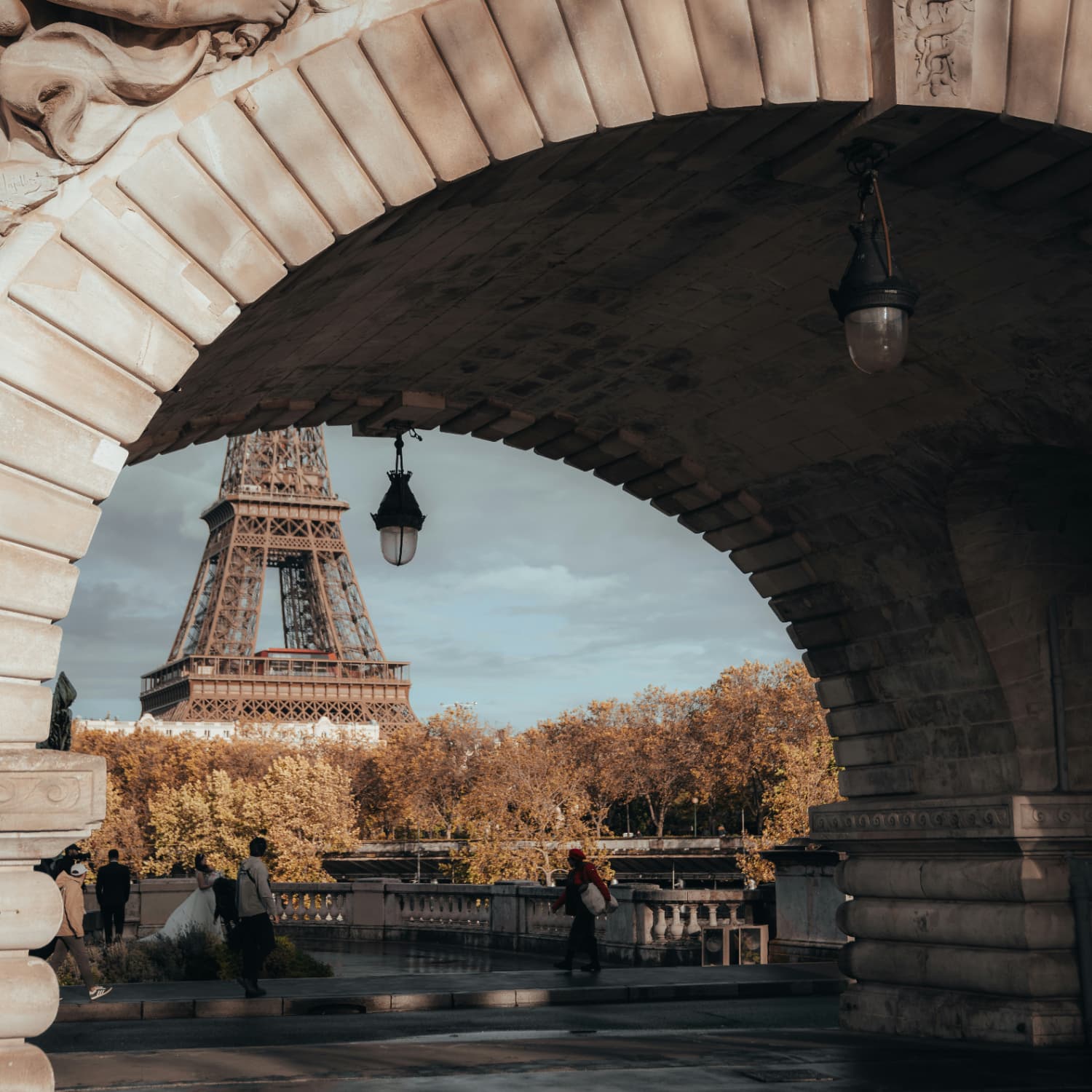
In France, travelling alone works best when you let the trains set the rhythm: mornings on a TGV, lunches at a counter, and evenings in a neighbourhood where you can walk back easily.

Written by Kimara Greyling

Reviewed by Kimara Greyling

Published 7 September 2026
| Morning | Afternoon and evening | Solo tip | |
|---|---|---|---|
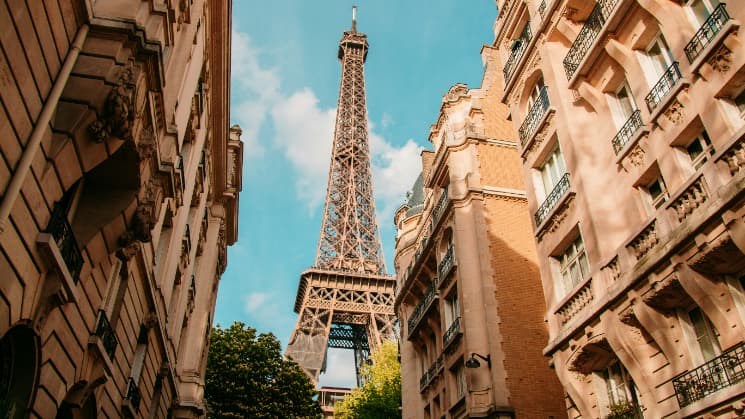
| Day 1: Paris | Start at Sainte Chapelle with a timed ticket, then walk to Notre Dame and the bookstalls along the Seine. It gives you a gentle first route without crossing the whole city. | Spend the afternoon in the Louvre if you have booked ahead, or choose the Musée d Orsay for a tighter visit. After dark, walk the lit riverbanks between Pont Neuf and the Tuileries. | Book major museums in advance and keep your Metro ticket or pass handy until you exit. Gates and checks can be awkward if you bury it in your bag. |
| Day 2: Paris | Take the Metro to Abbesses and climb Montmartre before the busiest photo crowds arrive. Pause at Place du Tertre, then find the quieter streets behind the basilica. | Head to Canal Saint Martin for coffee, small shops and an easy waterside walk. In the evening, try a wine bar around Oberkampf rather than a formal dinner. | On the Metro, stand to the side of the doors and let people off first. Around stairs and platforms, keep your phone close rather than loose in your hand. |
| Day 3: Versailles | Take RER C to Versailles Château Rive Gauche and go straight to the palace entrance for your timed slot. The Hall of Mirrors is calmer earlier in the day. | Use the afternoon for the gardens, the Grand Trianon and the Queen Hamlet. Return to Paris before the commuter crush if you want an easier ride. | Bring water and comfortable shoes because the estate is much bigger than it looks on a map. A picnic from Versailles town beats an overpriced snack queue. |
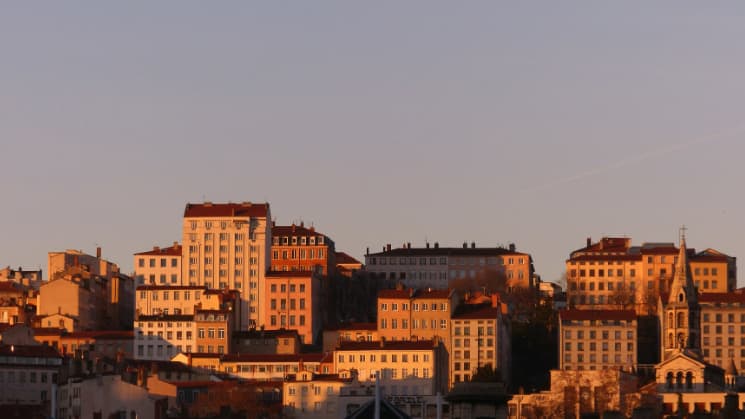
| Days 4 and 5: Lyon | Spend one morning in Vieux Lyon and the traboules, then another around Croix Rousse and its silk worker lanes. Keep the pace loose so the hills do not become a chore. | Use one afternoon for the Presquile area and the Saône quays, then take the train to Pérouges for a quieter medieval village stop. Evenings are best around bouchons, but book ahead. | In bouchons, portions are generous and tables turn slowly, so reserve one proper meal rather than trying to fit two big restaurant stops into a day. |
| Day 6: Annecy | Take an early train to Annecy and walk the old town canals before the day crowds build. Then follow the lakeside path towards the Jardins de l Europe. | Hire a bike for the lake path or take a boat loop if the weather is clear. Leave time for an ice cream near the Palais de l Île before returning to Lyon. | Check the last direct trains back to Lyon before you wander too far around the lake. Services thin out later than you expect on some days. |
| Day 7: Lyon | Ride the funicular to Fourvière for the basilica and the view over the city. Walk down through the Roman theatres if your luggage is stored. | Keep the last afternoon simple around Parc de la Tête d Or or Les Halles de Lyon Paul Bocuse. Lyon Part Dieu and Lyon Saint Exupéry make onward travel straightforward. | Use station luggage lockers or hotel storage before sightseeing. Lyon Part Dieu is busy, so arrive early if you need to find a platform or airport tram. |
| FAQs | |
|---|---|
| Is France safe for solo travellers? | Most of France is safe for solo travellers, with the usual city caution. Pickpocketing is the main issue around the Eiffel Tower, the Louvre, Gare du Nord, the Paris Metro and busy parts of Marseille or Nice. Trains are reliable, but late platforms and empty suburban stops deserve extra awareness. |
| How much does a solo trip to France cost? | A budget traveller can manage about USD 80 to USD 120 a day with hostel beds, bakeries, markets and advance train fares. A comfortable middle budget is closer to USD 180 to USD 300. Paris hotels, TGV tickets booked late, restaurant dinners and summer coastal stays push costs up fastest. |
| Is France good for women travelling alone? | France is a strong choice for women travelling alone, especially on well used routes between Paris, Lyon, Bordeaux, Strasbourg and the Riviera. The main issues are street harassment in some nightlife areas and bag theft on crowded transport. At night, use busy streets, licensed taxis or rideshares, and keep your bag closed on the RER. |
| Where are the best places for solo travel in France? | Paris is easiest for a first trip because transport, museums and cafés work well alone. Lyon is brilliant for food without the scale of Paris, while Bordeaux and Strasbourg are simple, walkable bases. For a slower trip, Annecy, Colmar and the Loire towns give you beauty without constant big city energy. |
| Will I struggle if I do not speak French? | You can manage in Paris, major stations and big hotels with English, but smaller towns run much more smoothly with basic French. Learn greetings, ordering phrases and how to ask for help with a ticket. Starting with bonjour matters more than perfect grammar. |
| Do you need to tip in France? | Service is included in restaurant bills, so tipping is not expected in the same way as in the United States. Rounding up or leaving a few euros for good service is enough. For more everyday practical details, see France Travel Tips. |
About the author
Choosing the best eSIM for Thailand can be challenging with so many options. This guide compares popular providers by pricing, coverage, setup, and key features.
Istanbul, Cappadocia, and Turkey's Aegean and Mediterranean coasts attract millions of visitors each year with reliable tourist infrastructure and a welcoming atmosphere. These popular destinations are far from the border regions flagged by travel advisories, making them generally safe to explore for most travelers.
Choosing where to go is part of the excitement, but peace of mind matters just as much once you arrive. This guide looks at the countries that stand out for 2026, using the latest Global Peace Index as the starting point.
