

Loading...
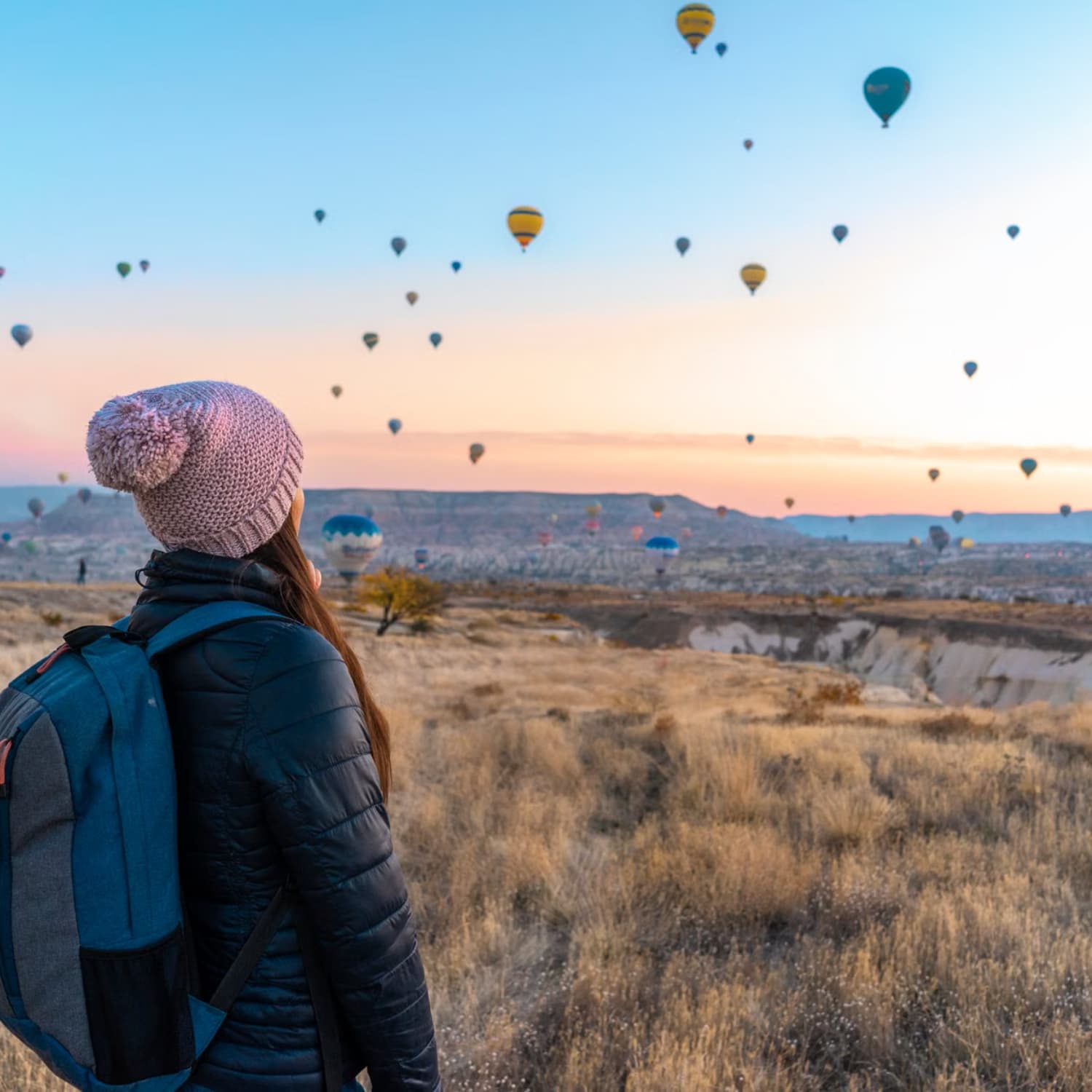
There's something about Turkey that makes traveling alone feel natural. Whether you're riding the ferry in Istanbul or wandering ancient ruins, you'll find it's easy to meet people and carve out your own path here. This is a place that welcomes curiosity.

Written by Kimara Greyling

Reviewed by Kimara Greyling

Date August 28, 2026
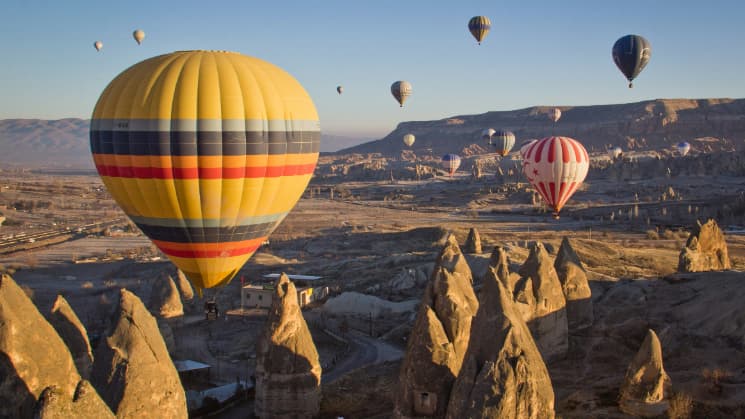
Watch the sunrise hot air balloon launch over Cappadocia's fairy chimney rock formations near Göreme, then walk the Göreme Open-Air Museum's rock-cut churches at your own pace. It's ideal solo: no fixed route or guide needed, balloon flights are booked as an individual seat rather than a private group, and the cave-hotel town is small enough to navigate entirely on foot without coordinating with anyone else.
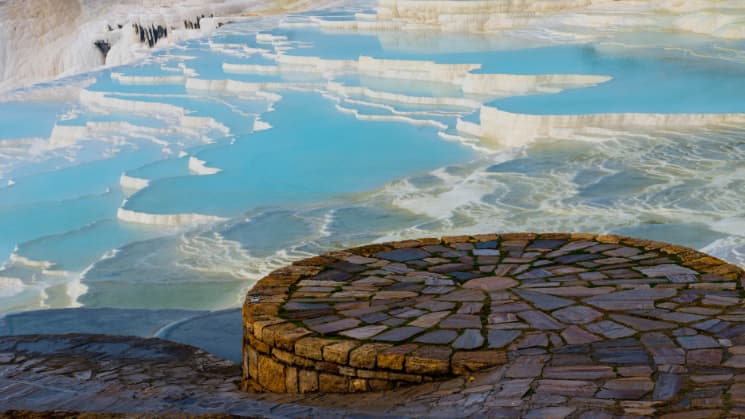
Walk barefoot across the white mineral terraces of Pamukkale, then continue into the adjoining ruins of ancient Hierapolis built directly above the thermal springs. The site is compact, well-signed, and easy to cover in half a day without a set schedule to coordinate around anyone else, making it a natural stop to slot in solo between Cappadocia and the coast.
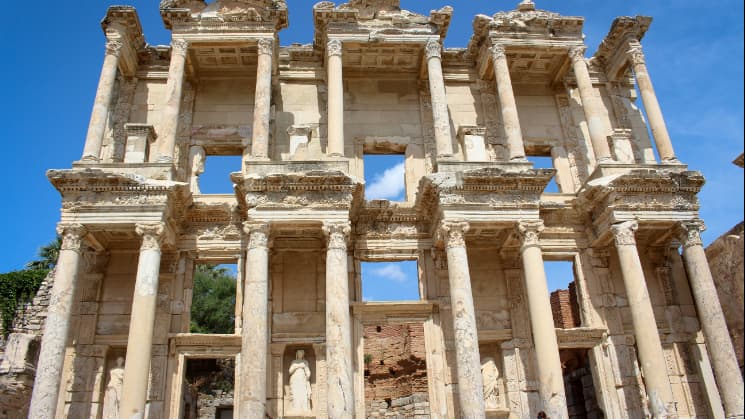
Wander the marble streets of Ephesus near Selçuk, distinct from the more crowded coastal resorts and often rushed through by tour groups on a tight schedule, where the restored facade of the Library of Celsus still stands two storeys tall. Genuinely solo-friendly since there's no pressure to keep pace with anyone, and the quieter Terrace Houses section rewards travelers willing to slow down.
Check out our article on the Best Things to do in Turkey for more activities.
| Morning | Afternoon/Evening | Solo Tip | |
|---|---|---|---|
| Day 1: Istanbul | Walk the historic Sultanahmet district, visiting Hagia Sophia and the Blue Mosque early to beat the crowds. | Browse the Grand Bazaar, then relax with Turkish tea overlooking the Bosphorus at sunset in Eminönü. | Dress modestly for mosque visits and remove your shoes before entering. Locals are used to solo visitors in tourist areas. |
| Day 2: Istanbul (Asian Side) | Take the ferry to Kadıköy for a morning market stroll and try a traditional Turkish breakfast. | Explore Moda's cafes, browse bookshops, or follow the seaside park paths as the sun sets. | Ferries are safe and easy, and solo travelers often get friendly advice from locals on where to go next. |
| Day 3: Princes' Islands | Catch an early ferry to Büyükada, rent a bike, and circle the island before the midday crowds arrive. | Find a seaside cafe for fresh fish, then stroll through car-free streets to the Greek Orthodox Monastery. | On the islands, be mindful of the return ferry times to avoid getting stranded after dark. |
| Days 4-5: Cappadocia | Alternate between sunrise balloon flights, hiking in Love Valley, and exploring the cave dwellings around Göreme. | Join a sunset viewpoint gathering, sample local wines, or book a group dinner in a cave restaurant. | Cappadocia's tourist towns are walkable and safe, but bring a flashlight for evening walks on unlit paths. |
| Day 6: Pamukkale | Arrive early to walk the travertine terraces barefoot before the crowds, then visit Hierapolis ruins. | Soak in the ancient thermal pools or relax in a local pansiyon courtyard. | Keep your valuables secure at the terraces, as it's easy to get distracted while taking photos or swimming. |
| Day 7: Selçuk/Ephesus | Explore the ancient city of Ephesus early, including the Library of Celsus and the Terrace Houses. | Visit the Basilica of St. John, then depart via Izmir or stay for a relaxed evening in Selçuk's old town. | At Ephesus, buy your ticket at the main entrance to avoid queuing. Buses to Izmir run regularly for onward travel. |
| FAQs | |
|---|---|
| Is Turkey safe for solo travelers? | Most of Turkey is safe for solo travelers, especially Istanbul, Cappadocia, and the Aegean coast, where crime rates are low and public transport is reliable. Use extra caution in provinces near the southeastern border, where travel advisories can apply. In tourist areas, scams are rare but watch your belongings in crowded spots. |
| How much does a solo trip to Turkey cost? | A budget traveler can get by on $35-50 USD per day, while mid-range travelers may spend $70-120 USD daily. Accommodation and internal flights are the biggest costs, and solo travelers may pay a supplement at some hotels. For more info they can go to our Budget Travel Guide for Turkey |
| Is Turkey good for solo female travelers? | Turkey is generally welcoming to solo female travelers, especially in major tourist spots. Dress modestly outside resort areas and use trusted taxi apps for transport at night. In conservative regions, you'll get fewer stares if you cover your shoulders and knees. |
| What are the best cities/regions for solo travel in Turkey? | Istanbul, Cappadocia, and Pamukkale are great for solo travel with lots to do and easy logistics. For a slower pace, try Ayvalik on the Aegean or Safranbolu for Ottoman-era charm. Each offers solo-friendly sights and a relaxed vibe. |
| What about language barriers and payment methods in Turkey? | English is widely spoken in tourist areas but less so in smaller towns. Having a translation app helps. Most shops and restaurants accept credit cards, but it's wise to carry some cash for local markets and small eateries. |
| How do you get from Istanbul to Cappadocia solo? | The fastest way is a direct flight from Istanbul to Kayseri or Nevsehir, then a shuttle to Göreme. Buses are cheaper and run overnight. Both options are solo-friendly and easy to book online or at local bus stations. |
About the author
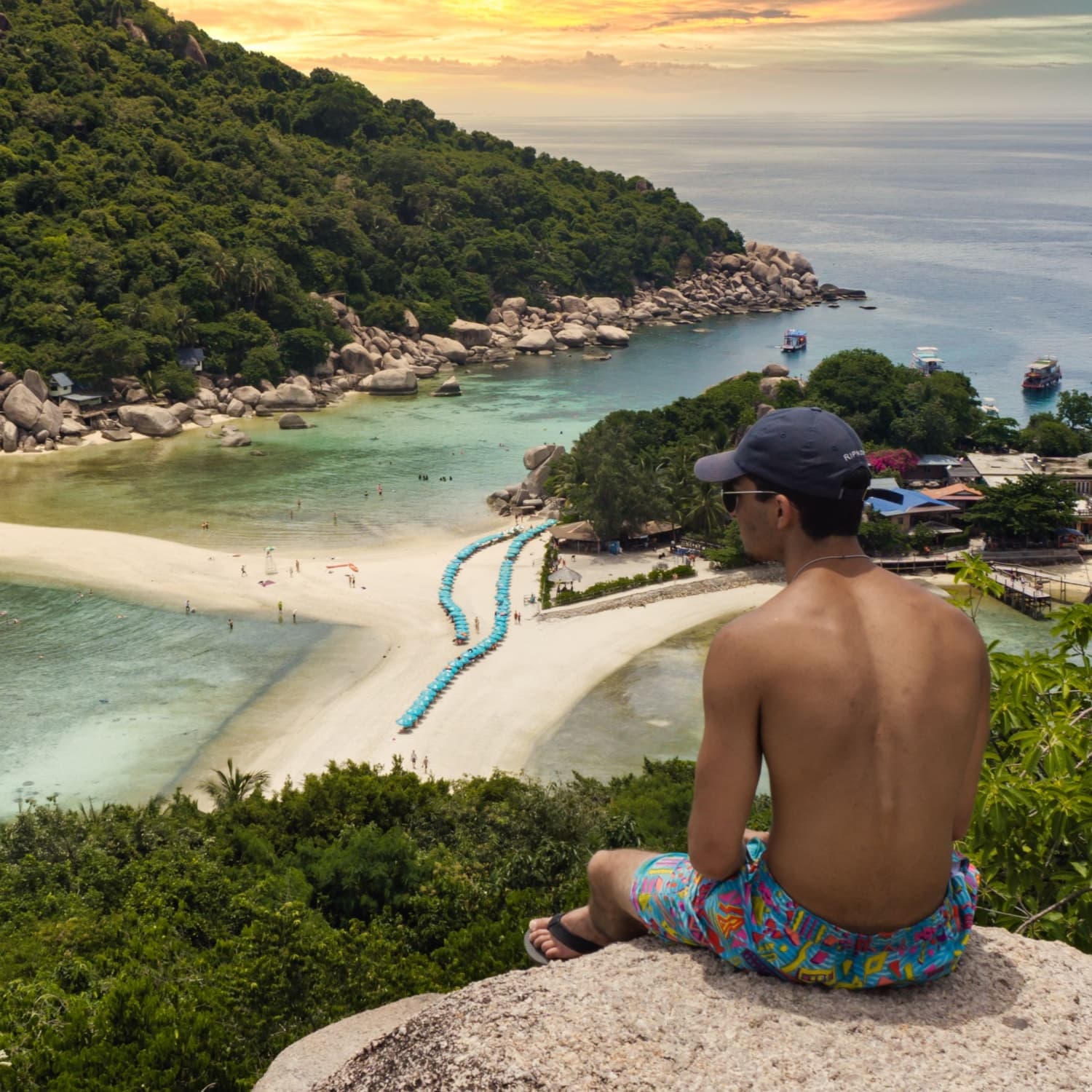
Thailand has the beaches, street food, islands and unforgettable adventures-but how do you experience it all without blowing your budget? Before you book your first flight, discover where to stay, what to eat, what to skip and how to make your money go further.
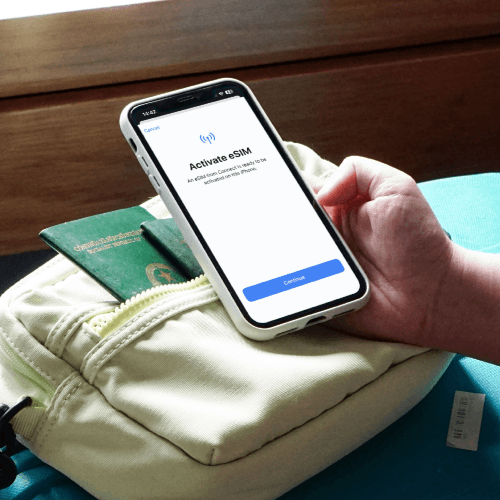
In this article, we break down the real eSIM pros and cons so you can decide if it is the right fit for your next adventure, being honest about when an eSIM makes travel simpler and when sticking with a physical SIM might be better. No hype, just what you actually need to know.
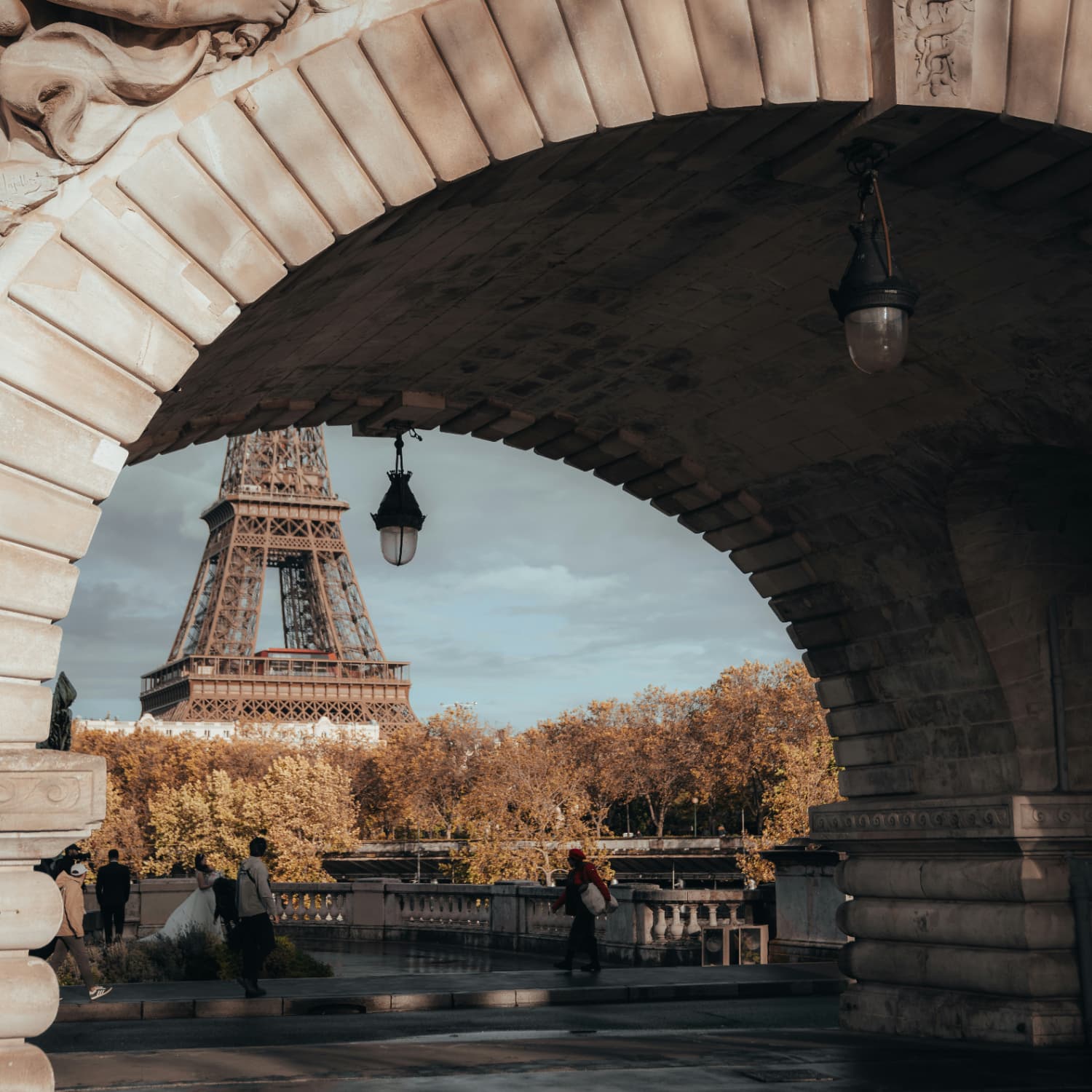
In France, travelling alone works best when you let the trains set the rhythm: mornings on a TGV, lunches at a counter, and evenings in a neighbourhood where you can walk back easily.
